What Does a Paving Contractor Do?

WebDev
January 2, 2026
Stone work continues to define how modern spaces feel, function, and endure over time. Homeowners, builders, and commercial planners seek materials that balance durability with visual clarity. Today’s stone work reflects practical expectations shaped by real use, not decoration alone. Material choice now connects directly to maintenance costs, safety, and long-term value. These realities explain why stone work remains a trusted solution across residential and commercial environments.
Stone work refers to the use of natural or engineered stone in structural and decorative building elements. Modern construction relies on stone for surfaces that endure constant wear and exposure to the elements. Architects integrate stone work to stabilize clean layouts and reduce visual noise. These design choices support spaces meant for long-term daily use rather than short-term trends.
Stone work stays relevant because it offers strength that outperforms many manufactured finishes. Dense stone surfaces resist cracking, impact damage, and surface fatigue over time. Builders value how stone maintains performance under heat, moisture, and foot traffic. Property owners also appreciate predictable aging rather than sudden material failure. Additionally, stone adapts to traditional and modern structures without redesign. This adaptability explains its consistent use across housing and commercial developments.
Stone work supports balance by combining load-bearing strength with controlled appearance. Designers use stone to anchor open spaces without overwhelming surrounding finishes. Textured surfaces introduce depth while avoiding excessive ornamentation. Builders rely on stone to stabilize walls, floors, and outdoor features. Additionally, stone pairs well with wood, glass, and metal. This compatibility supports cohesive modern design systems.
Natural stone materials are quarried with minimal processing. Stone work projects use these materials for their durability and organic appearance. Each stone type offers unique density, porosity, and color variation. These natural differences guide selection based on environment and usage.
Granite stone work uses a dense igneous stone suited for demanding conditions. This granite material resists scratches, heat, and compression damage. Kitchens commonly feature granite countertops for these reasons. Exterior steps and thresholds also benefit from granite’s load tolerance. Color options range from muted earth tones to patterned surfaces. With proper sealing, granite stone work maintains its appearance with minimal upkeep.
Marble stone work uses a softer metamorphic stone known for smooth finishes. This marble surface reflects light, enhancing interior brightness. Bathrooms, outdoor fireplaces, and entryways often feature marble elements. Natural veining creates a visual distinction without repetition. Marble requires careful sealing to manage staining risk. Proper maintenance supports long-lasting interior use.
Limestone stone work features sedimentary stone with a uniform texture. This limestone material supports understated architectural styles. Builders use limestone for walls, facades, and flooring. The stone cuts cleanly, allowing precise detailing. Weather exposure gradually softens surface appearance. This aging pattern appeals to natural design preferences.
Travertine stone work uses a porous limestone variant with warm tones. This travertine surface adds texture to floors and walls. Designers often install travertine in bathrooms and patios. Filled finishes improve surface strength and consistency. Sealing helps control moisture absorption. Travertine suits spaces seeking relaxed visual warmth.
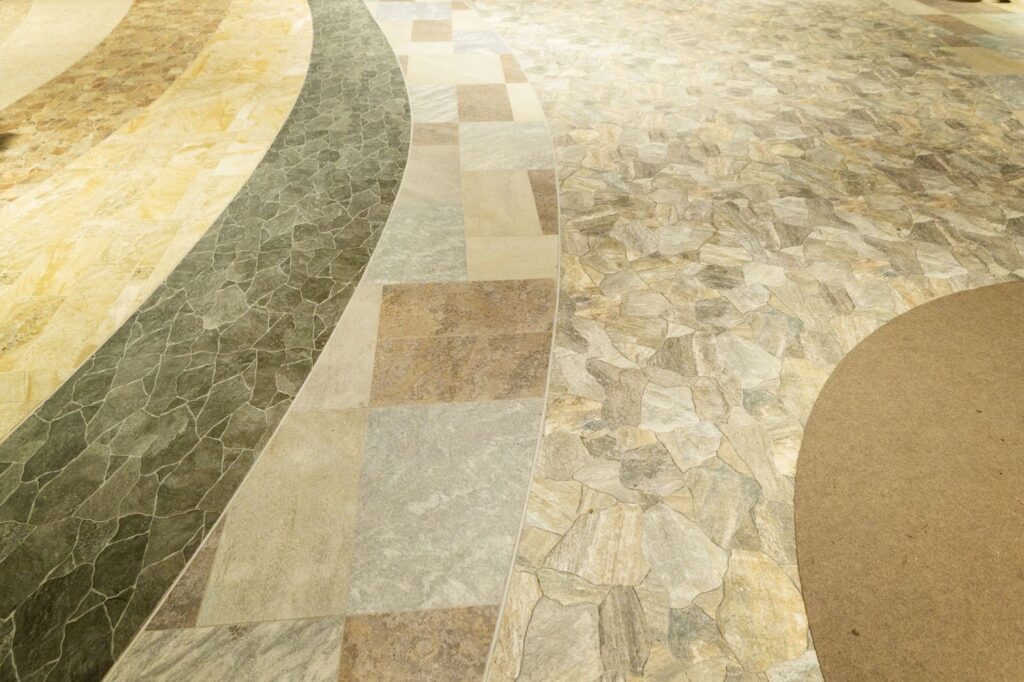
Engineered stone is a manufactured material composed of stone aggregates and binders. Stone work projects use engineered options for consistency and controlled performance. These materials reduce natural defects found in quarried stone. Builders select engineered stone for precision-driven installations.
Quartz stone work uses engineered quartz mixed with resins. This quartz surface delivers uniform color and pattern control. Non-porous composition resists staining and bacterial growth. Kitchens and bathrooms benefit from easy cleaning routines. Quartz requires no sealing during regular use. This reliability suits modern interior stone work projects.
Concrete stone work uses cement-based materials shaped into stone-like forms. This concrete option allows custom sizing and texture control. Pigments introduce color without weakening structure. Floors, countertops, and walls are commonly finished in concrete. Sealing improves resistance to moisture and surface stains. Concrete supports industrial and contemporary design goals.
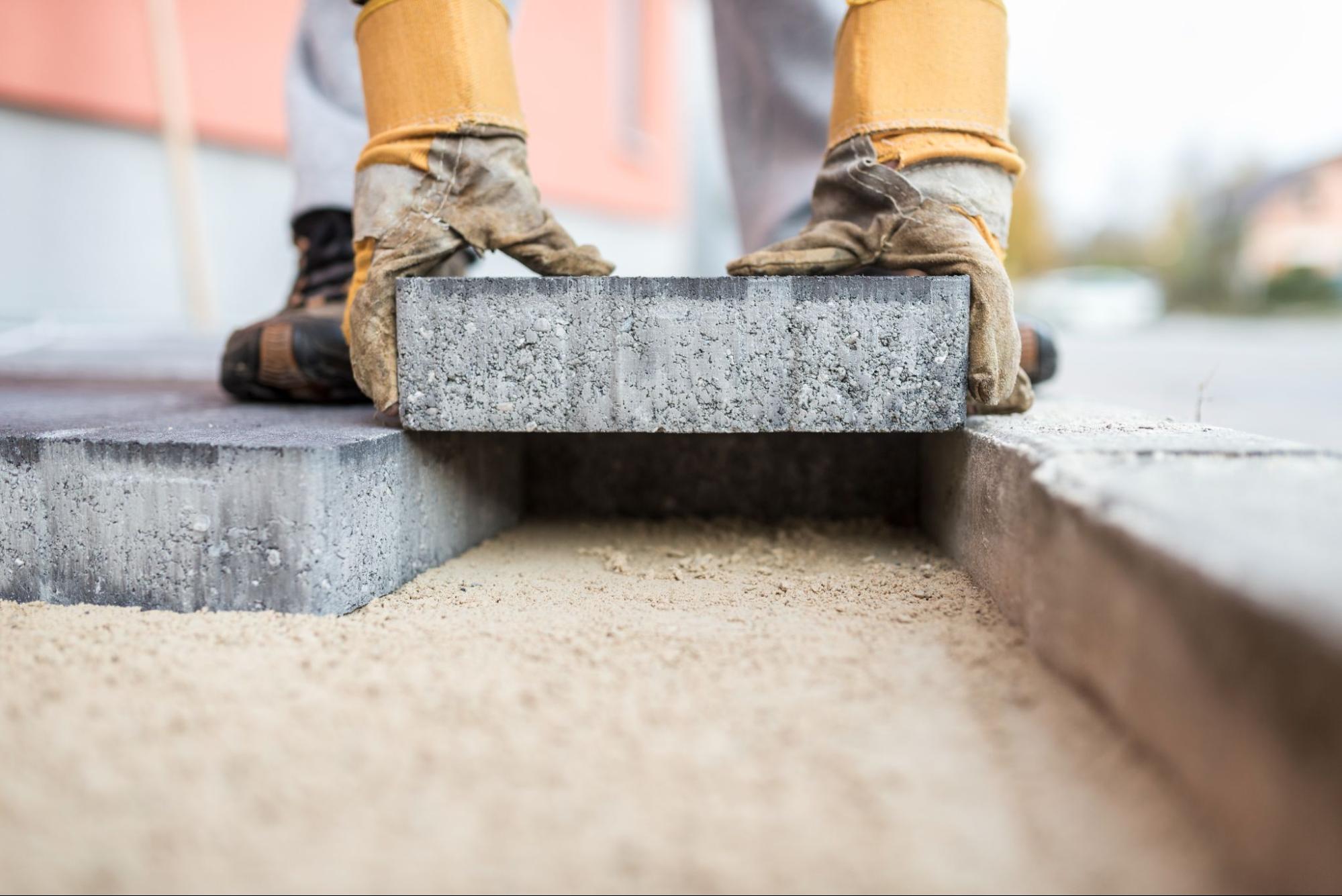
Outdoor stone work is constantly exposed to the elements and physical stress. Material choice affects safety, drainage, and longevity. Builders prioritize slip resistance and freeze tolerance. These requirements guide exterior stone selection.
Sandstone stone work uses sedimentary stone with a natural grip. This sandstone surface is suitable for patios and walkways. Warm color ranges complement landscape features naturally. Sandstone drains water efficiently when installed correctly. Sealing protects against moisture absorption. Climate considerations affect long-term performance.
Slate stone work uses layered metamorphic stone with high density. This surface offers natural slip resistance. Builders install slate in steps, paths, and roofing. Color remains stable under sun exposure. Proper installation prevents flaking over time. Slate performs well across diverse climates.
Basalt stone work uses fine-grained volcanic stone with dark tones. This material supports contemporary exterior design. Dense structure handles vehicle and foot traffic. Driveways and plazas commonly feature basalt surfaces. Low porosity reduces water penetration issues. Basalt suits projects requiring bold visual contrast.
Interior stone work shapes both function and atmosphere. Material choice affects comfort, acoustics, and maintenance. Designers align the stone with the room’s purpose. This alignment keeps interiors practical and cohesive.
Stone work flooring uses durable surfaces for high-traffic areas. This flooring resists dents from furniture and foot traffic. Temperature stability supports indoor comfort year-round. Finish options include polished and textured surfaces. Slip resistance improves with the selection of surface treatment. Stone flooring is suitable for residential and commercial interiors.
Stone work countertops provide stable work surfaces for daily use. This countertop material resists heat, spills, and impact damage. Kitchens benefit from stone durability and hygiene. Bathroom vanities also use stone for moisture resistance. Surface selection affects cleaning requirements. Stone countertops balance function and appearance.
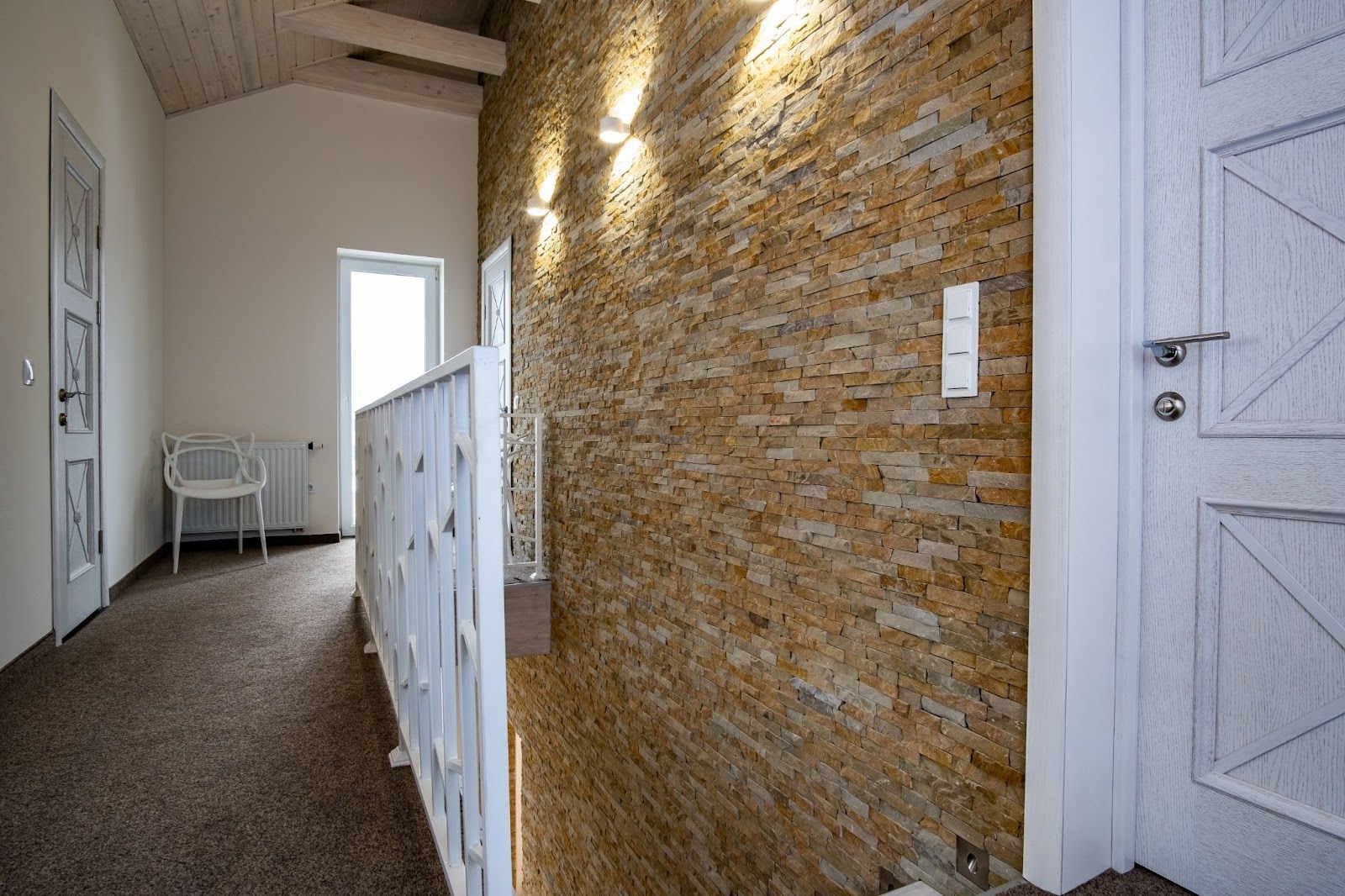
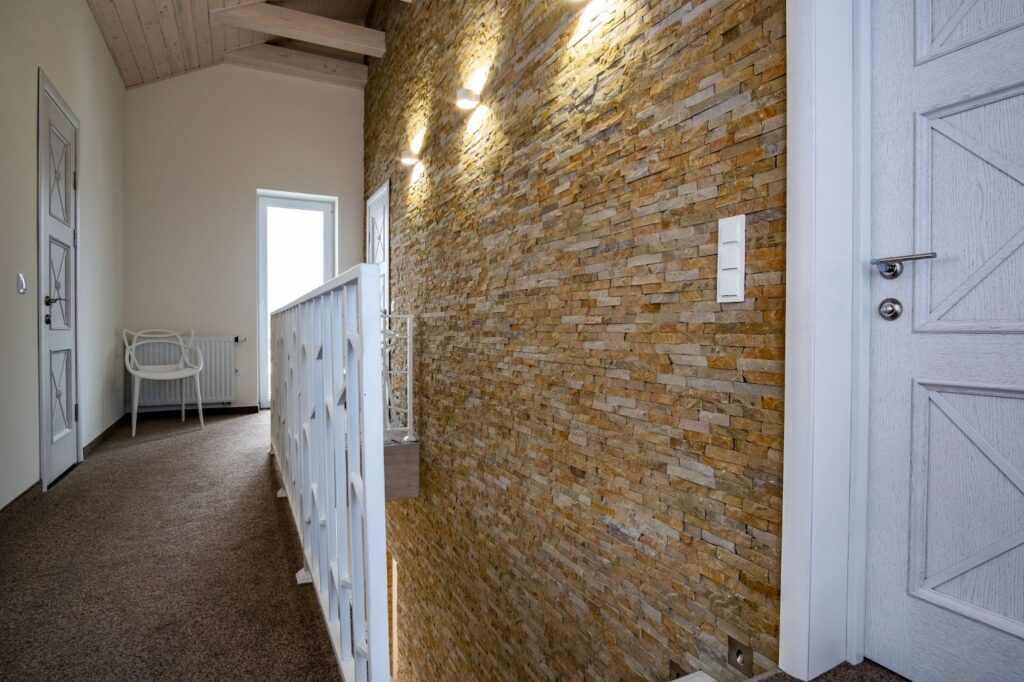
Stone work wall applications add depth without overwhelming interior design. These stone walls create visual focus in living rooms or entryways. Textured stone breaks flat surfaces effectively. Vertical installations experience less physical wear than flooring. Stone walls also improve acoustic balance in large rooms. Accent stone surfaces reinforce architectural intent.
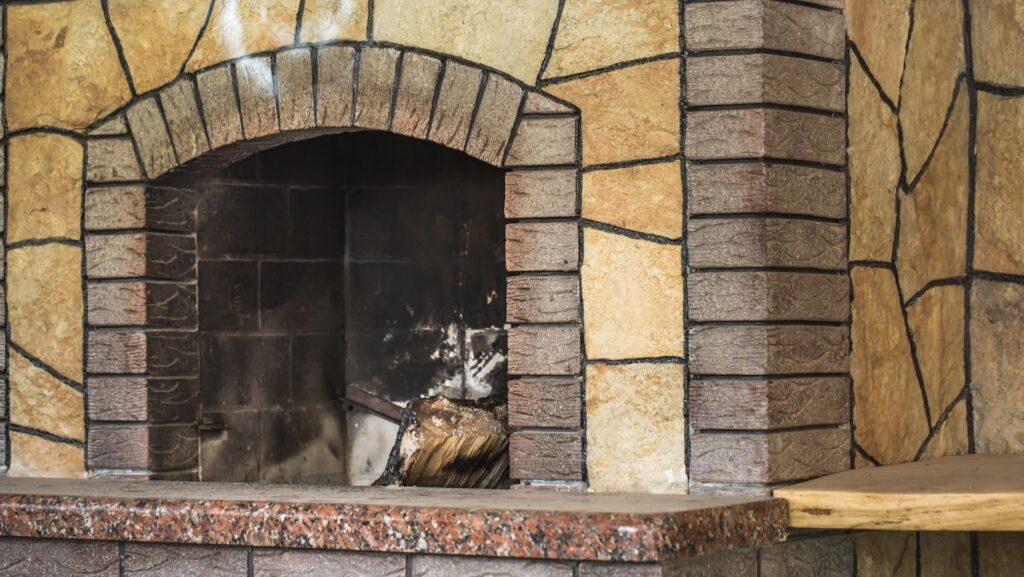
Stone work fireplaces serve as strong interior anchors. These stone surrounds handle heat exposure reliably. Natural stone complements both modern and traditional fireplace designs. Surface texture enhances visual warmth. Fireplaces benefit from stone’s non-combustible nature. Stone focal points strengthen room identity.
Stone work staircases support durability in vertical movement areas. These stone steps resist edge wear from repeated use. Proper finish selection improves slip resistance. Stone staircases connect floors with visual continuity. Weight-bearing strength supports long-term safety. Interior transitions benefit from stone consistency.
Stone work material selection affects long-term satisfaction. Builders evaluate usage patterns and exposure risks. Budget planning also influences material decisions. Careful selection prevents performance issues later.
Stone work selection starts with understanding surface demands. High-traffic zones require dense stone types. Moisture exposure limits suitable material options. Outdoor areas need weather-resistant finishes. Load requirements influence thickness and support. Matching function to material improves outcomes.
Stone work costs vary by material and installation method. Complex installations increase labor expenses. Maintenance requirements affect long-term budgets. Durable stone reduces replacement frequency. Availability influences pricing stability. Value depends on lifespan rather than initial cost.
Stone work professionals understand material behavior during installation. This expertise helps prevent cracking and misalignment. Proper preparation improves surface longevity. Professionals recommend appropriate sealing schedules. Coordination reduces delays and errors. Expert input supports confident decisions.
Long-term stone work performance describes how stone surfaces change after years of use. Appearance at installation rarely reflects how materials behave later. Daily contact, cleaning routines, and environmental exposure all influence aging. Understanding these changes helps property owners make durable choices.
Stone work surfaces age through repeated physical contact and cleaning cycles. Foot traffic gradually smooths textured finishes in busy areas. Countertops experience subtle dulling from frequent wiping and spills. Some stones develop patina that many owners find appealing. Other stones show wear through surface scratching or edge softening. These changes depend heavily on stone density and finish type.
Stone work patina refers to the natural visual changes that occur over time. This aging appears as a soft sheen or color depth rather than damage. Dense stones often develop an even patina across surfaces. Softer stones may show uneven wear if usage varies. Patina differs from erosion caused by harsh cleaners or abrasion. Recognizing this difference helps set realistic expectations.
Stone work’s lifespan varies based on material, structure, and usage intensity. Granite and basalt maintain surface integrity longer in busy areas. Marble and limestone require more attentive care indoors. Engineered stone shows consistent wear due to uniform composition. Climate exposure also affects longevity in outdoor installations. Predictable performance depends on matching material to real conditions.
Stone work performs best when materials and methods match real daily conditions. Thoughtful choices reduce surface failure, maintenance strain, and long-term repair costs. Spaces benefit when stone work reflects how people actually live and work within them. Informed planning paired with professional execution creates stone work that remains reliable, functional, and visually steady over time.
Find clear, experience-backed guidance on stone work materials and planning by visiting the Onyx Home Improvements blog today.
Tags:
Latest News
Recent News & Articles