
Masonry
Custom Retaining Walls Built for Strength and Style
Retaining walls do more than hold back soil. They create structure, add depth to landscaping, and protect a property from erosion. Ours are built to match your style while standing up to the pressure behind them — because a retaining wall that looks good and fails in five years has not done its job.
5-year workmanship warranty
In writing, on every job we install.
- 5 years Retaining walls
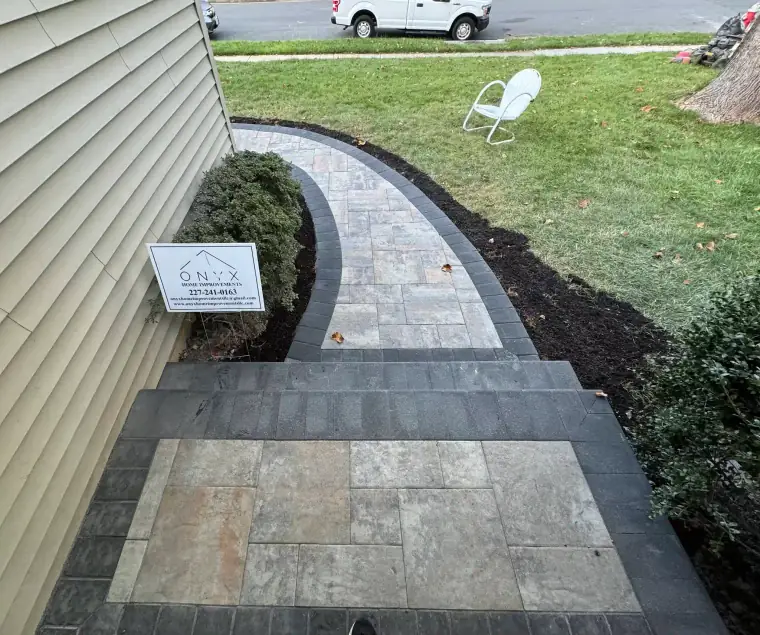
Strength, stability, and style together
We combine structural integrity with thoughtful design. Proper installation is the whole game: we take the time to prepare each site carefully so the wall resists shifting, hydrostatic pressure, and erosion.
Material and design options run from natural stone to segmental concrete block, which means there is a solution that fits almost any property and budget. The result is functional, good-looking, and adds real value to the space around it.
Design ideas worth considering
A retaining wall can completely change the look and usable layout of a yard. Whether you prefer something sleek and modern or natural and rustic, the design should follow the land as much as the house.
Natural stone walls
A timeless, organic look that suits traditional and modern landscapes alike. Especially good for garden borders, raised beds, and sloped yards.
Segmental block walls
Clean lines and consistent structure, with an interlocking design that delivers long-term stability and a uniform look.
Tiered walls
Multiple levels add dimension, maximize planting space, and improve drainage on steeper slopes.
Planter-integrated walls
Planting areas built directly into the wall, adding greenery without giving up yard space.
Curved walls
A softer shape than straight runs — well suited to garden settings and pathways where flow matters.
Seat walls
Double as built-in outdoor seating around patios and fire pits, which makes entertaining easier without adding furniture.
Drainage is not optional
Most retaining wall failures trace back to water, not weight. Every wall we build gets the drainage detail it needs — open-graded backfill, filter fabric, and outlets that actually carry water away from the structure.
How the work runs
Retaining Walls, step by step
Every job follows the same sequence. You are told which stage you are at and what happens next.
Survey the slope and the water
We measure the grade, work out how much soil the wall actually has to hold, and trace where water moves across the site. Load and water are what size the wall — the look is chosen afterward.
Design, engineering, and permits
Taller walls and walls carrying a surcharge such as a driveway need an engineered design and a permit. We tell you which category yours falls into before you commit, and confirm the requirement with your jurisdiction rather than guessing.
Excavation and footing
We dig below the finished grade and build a compacted aggregate footing. The first course sits below ground level, which is what stops the wall walking forward over time.
Drainage detail
Open-graded backfill, filter fabric, and an outlet that carries water somewhere useful. Most wall failures are water failures, and this is the stage that decides whether yours is one of them.
Courses and backfill
Units are set level and backfilled as we go, compacting in lifts behind the wall rather than dumping soil in at the end.
Caps and finish grading
Caps are set and secured, grade is restored above and below, and the site is cleaned up.
Recent work
Retaining Walls projects
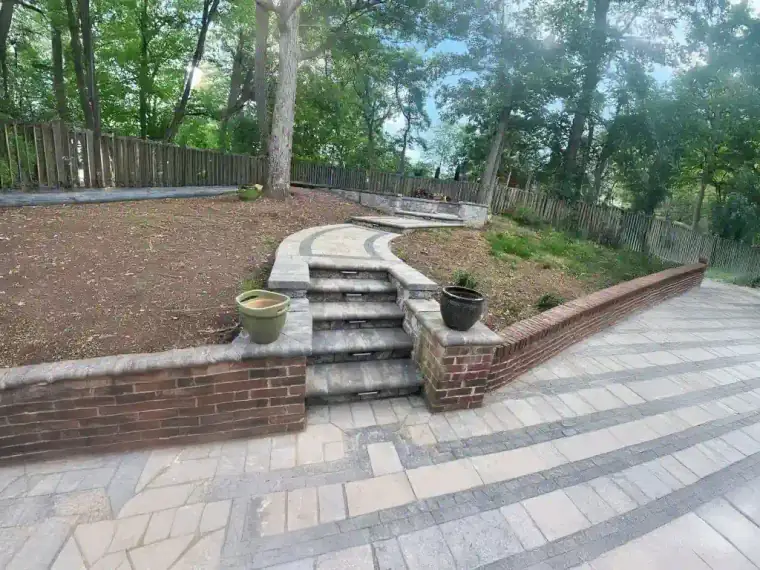
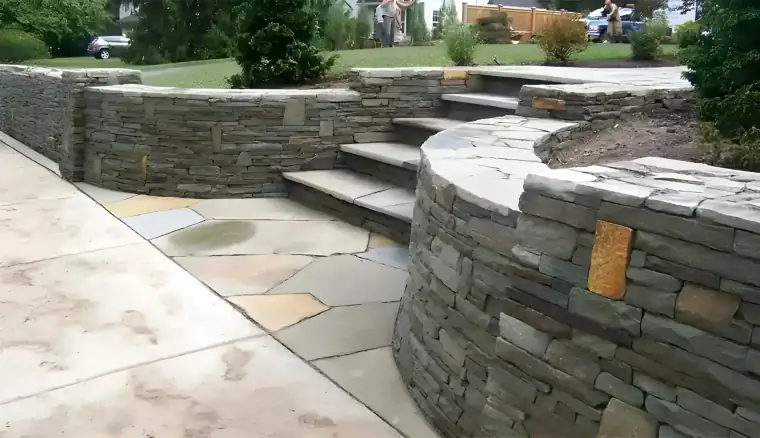
Recent retaining walls jobs, each with its own page. Photographs are our own work.
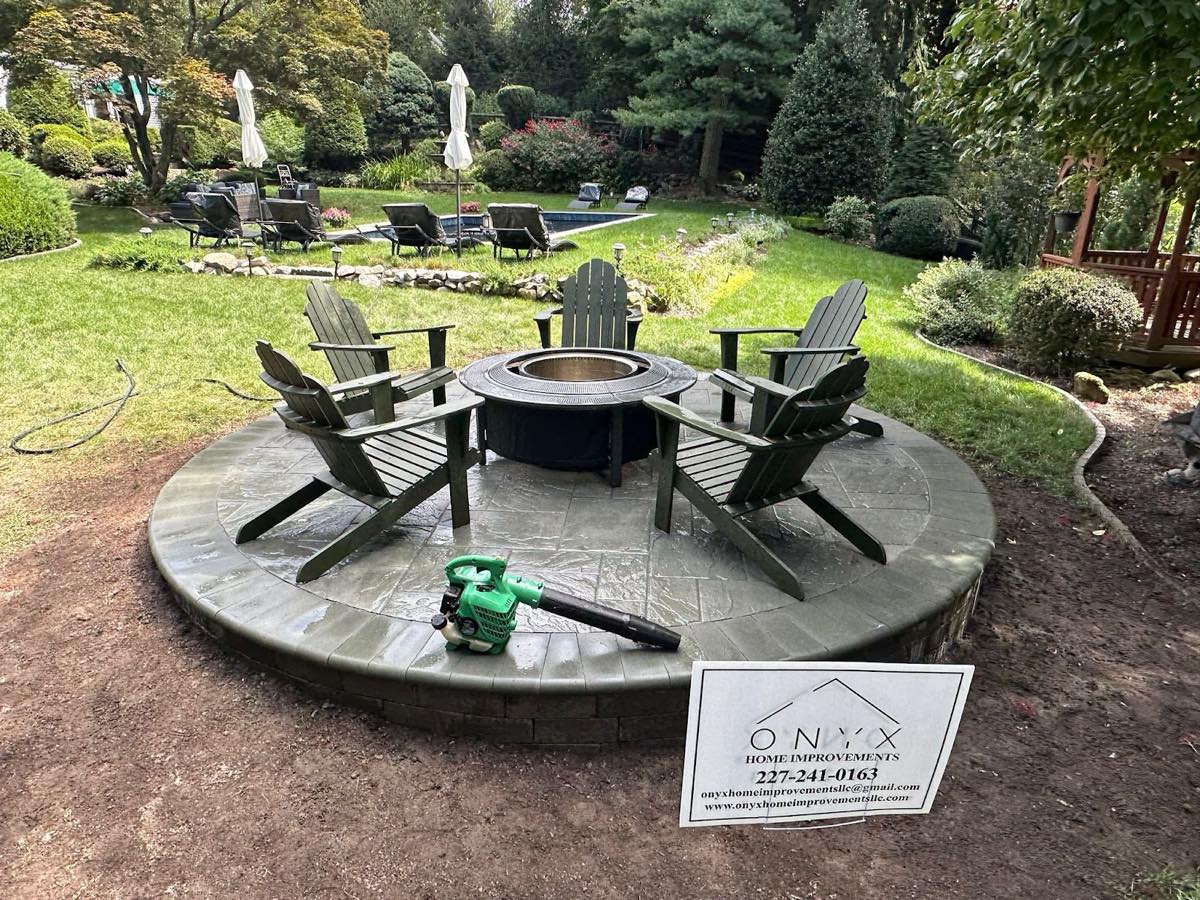
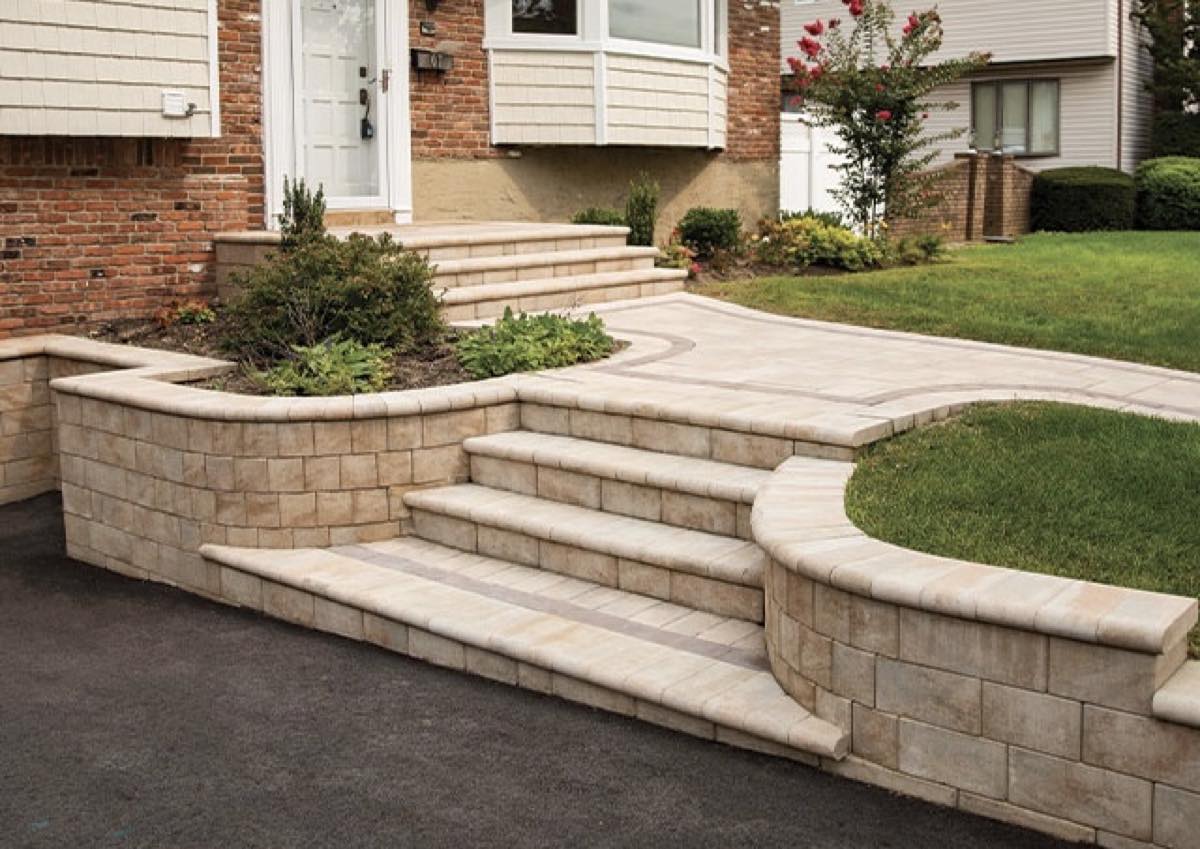
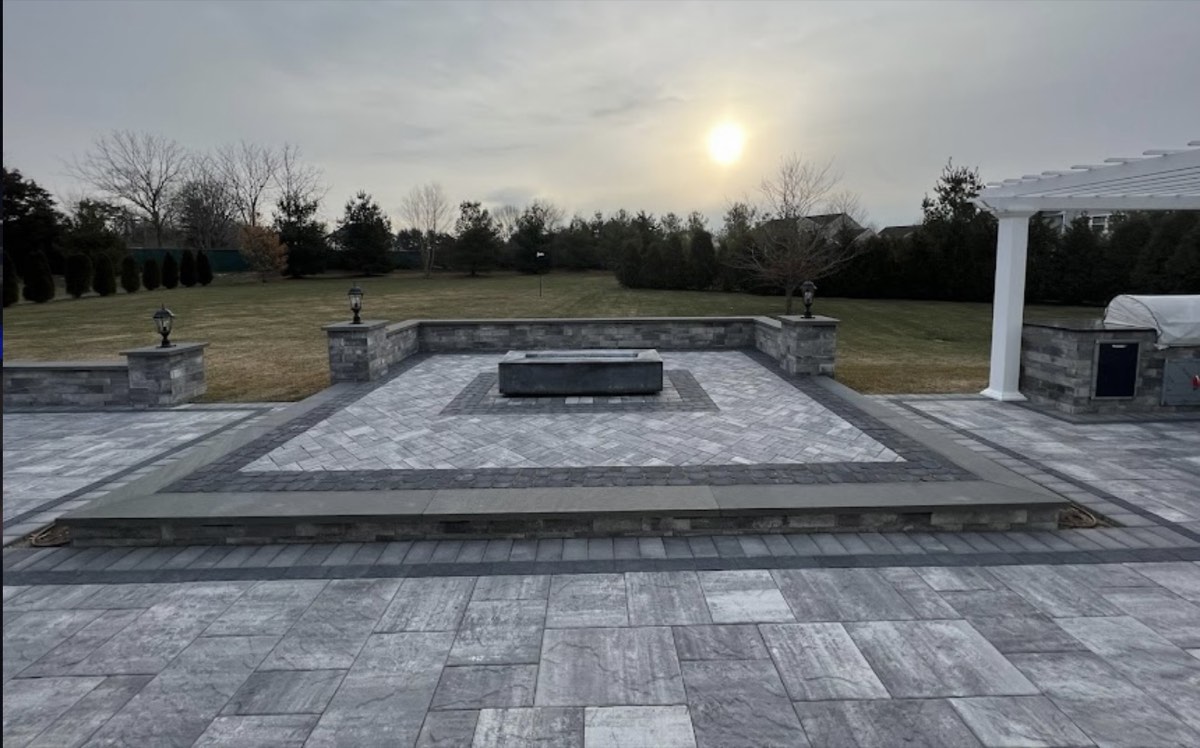
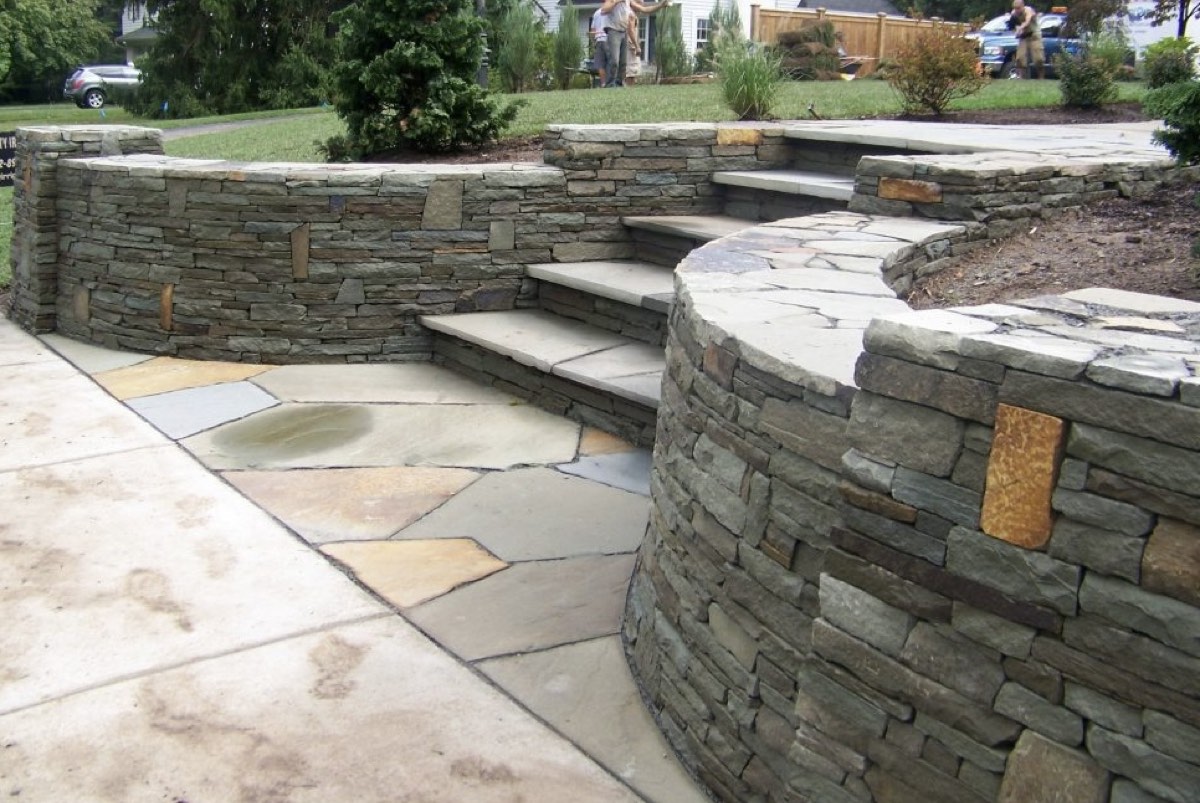
Retaining Walls photographs
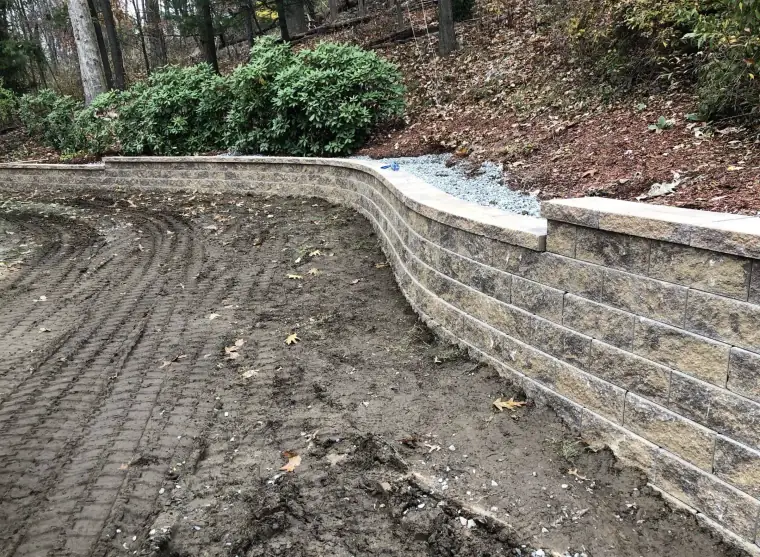
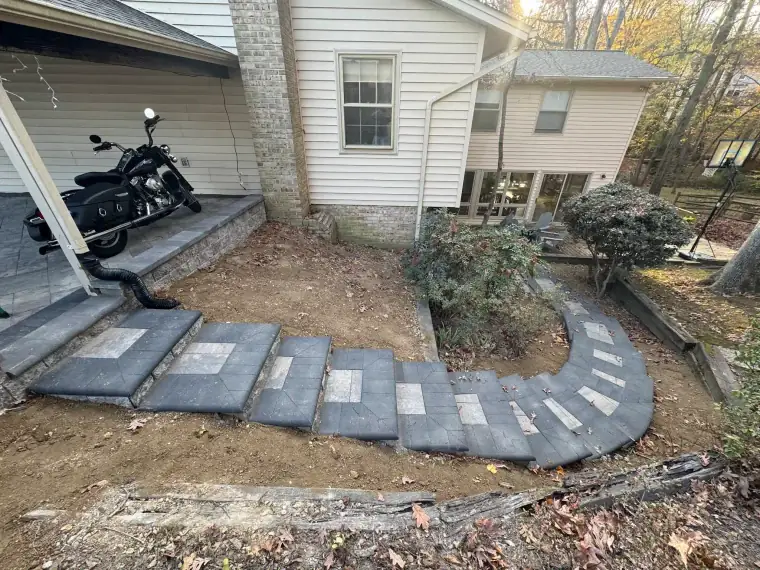
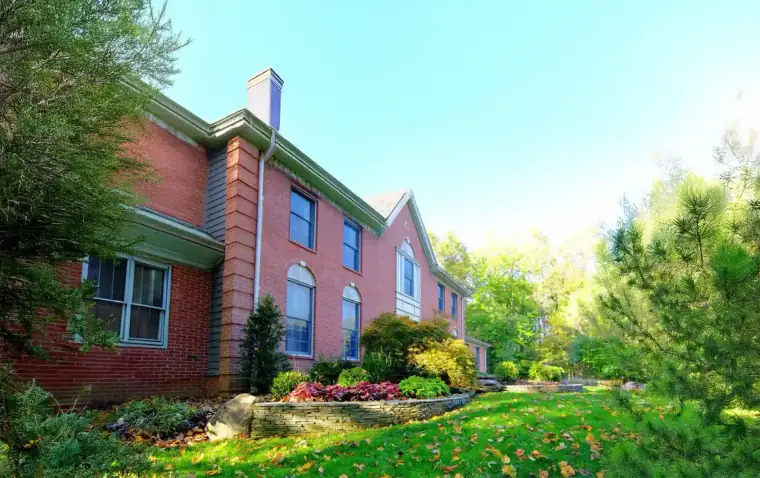
★★★★★
Mike and his crew did a terrific job! He gave us a good price on the job, explained everything ahead of time, and carried it out as promised (and even more, throwing in a couple of extras). They arrived on time, completed everything as promised, cleaned up as they went! Mike personally supervised and followed up on each stage. We have absolutely no hesitation in recommending Onyx, and certainly would call on them if we had another project.
Questions
Frequently asked
How tall can a wall be before it needs an engineer?
In most Northern Virginia jurisdictions the threshold is around four feet, measured from the bottom of the footing rather than from the ground you are standing on — which catches people out, because a wall that looks three feet tall may not be. Walls carrying extra load above them, such as a driveway or a slope, can trigger the requirement lower.
We confirm the specific requirement with your county before we build rather than working from a rule of thumb.
Do you handle the permit?
Where a permit is required we walk you through what is needed and coordinate with the jurisdiction. What we will not do is build a wall that needed a permit without one — it is your property that carries the consequence at resale or inspection, not ours.
Why do retaining walls fail?
Almost always water, not weight. Soil that cannot drain becomes far heavier than the wall was built to hold, and hydrostatic pressure pushes it out from behind. The second cause is a footing that was not dug below grade or not compacted. Both are invisible once the wall is finished, which is exactly why they get skipped.
Segmental block or natural stone?
Block is engineered, consistent, and the straightforward choice for a structural wall of any height — it is designed to lock together and to be built to a spec. Natural stone costs more and takes longer, and it looks like nothing else. Many properties end up with block where the wall is doing structural work and stone where it is doing visual work.
Also from Onyx
Driveway Paving
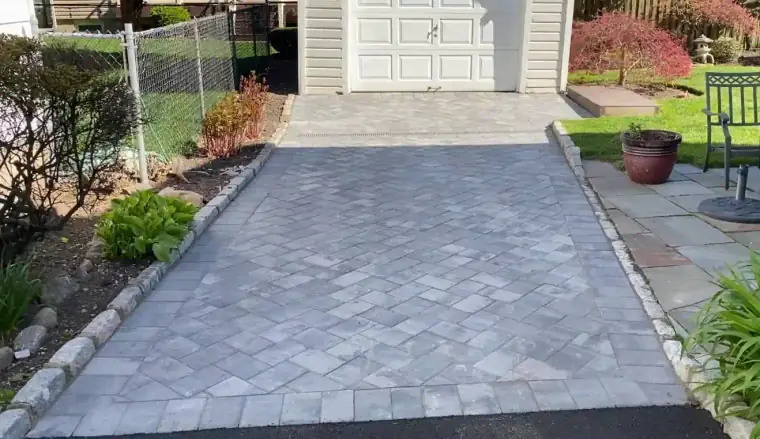
Asphalt, concrete, and paver driveways across Northern Virginia and DC. Base prep done right, every layer laid the way it should be.
Brickwork
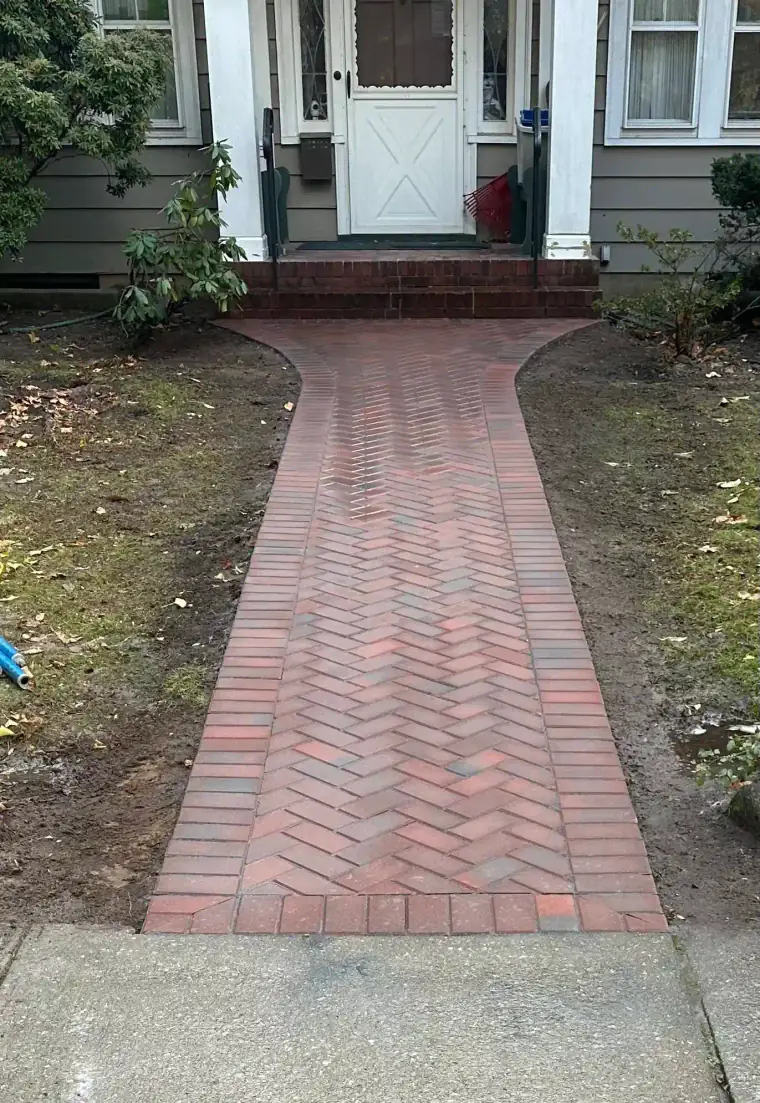
Brick patios, entryways, steps, facades, and repointing. Traditional technique, materials chosen to match what is already there.
Foundation Repair
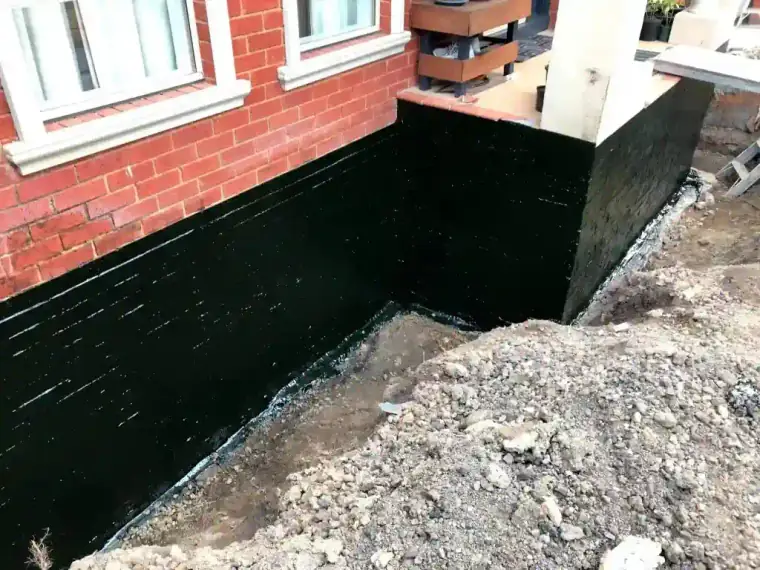
Crack repair, stabilization, and restoration. Early attention to a foundation problem is the cheapest it will ever be.
Service area
Estimates are free everywhere on this list. If you are just outside it, call and ask — we often can.