
Stone Work
Stone Veneer Crafted to Complement Your Home
Stone veneer strikes the balance between natural beauty and practicality. Whether you are updating an exterior, facing a fireplace, or adding an accent wall, veneer delivers genuine stone texture without the weight or the cost of full masonry.
5-year workmanship warranty
In writing, on every job we install.
- 5 years Masonry, brick, and stonework
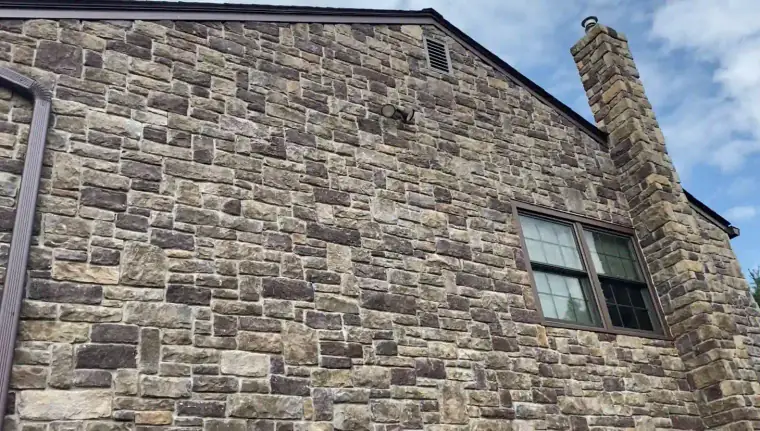
Texture and depth on almost any surface
Veneer brings depth and character to surfaces inside and out. Whether the goal is a sleek contemporary finish or something more rustic, the range of colors, patterns, and textures is wide enough to match nearly any design direction.
We help homeowners choose materials that complement what is already there rather than fighting it. Veneer is also an efficient way to highlight architectural details — columns, chimneys, and entry surrounds — that would otherwise go unnoticed.
Panels, walls, and full facades
Stone veneer panels and custom stone walls change the feel of a property quickly. They suit entryways, patios, accent walls, and outdoor living spaces, adding sophistication and structure at once.
We design installations that blend into the property’s existing layout, with attention to corners, terminations, and the details that give away rushed work. Done well, veneer also improves resale appeal by making the exterior read as more considered.
Natural stone, installed properly
Natural veneer resists weather and wear far better than manufactured alternatives, which makes it the right choice when you want the work to last. Proper drainage plane, flashing, and mortar detail behind the stone are what determine whether it stays that way.
Where veneer works
Veneer earns its place where you want the weight and texture of stone on something that was never built to carry structural masonry:
Full and partial facades
A whole elevation, or a water table and base course that grounds the house visually without facing the entire wall.
Chimney chases
A framed chase faced in stone so it reads as masonry from the ground rather than as a box.
Columns and entry surrounds
Porch columns and door surrounds, where the added depth changes how the entrance reads more than its size would suggest.
Interior fireplace walls
A hearth wall faced floor to ceiling, with the fireplace opening and hearth detailed together.
Accent and seating walls
Freestanding garden and seating walls faced on both sides, with caps that tie into the surrounding hardscape.
Foundation and skirt walls
Exposed foundation faced so the house sits on stone instead of on bare block.
Why veneer fails, and how it is avoided
When stone veneer comes off a wall, the stone is almost never the problem. Water gets behind the face of any veneer installation — that is expected, and it is designed for. What decides the outcome is whether it has a way back out.
A correct installation has a weather-resistive barrier, metal lath, a properly keyed scratch coat, and drainage at the base with flashing where the veneer meets other materials. Leave out the drainage plane and water sits behind the stone, saturates the substrate, and freeze-thaw does the rest. Everything in that list is invisible in the finished job, which is exactly why it is the part that gets cut when a price looks too good.
How the work runs
Stone Veneer, step by step
Every job follows the same sequence. You are told which stage you are at and what happens next.
Assess the substrate
What is behind the stone determines how it has to be installed. We check the existing wall, the sheathing, and how water currently drains down the face of the building before quoting anything.
Drainage plane and lath
A weather-resistive barrier and metal lath go on first, with a way for water that gets behind the stone to get back out. This layer is invisible in the finished job and is the single biggest difference between veneer that lasts and veneer that fails.
Scratch coat
A mortar bed is applied over the lath and keyed so the stone has something to bond to properly.
Dry layout
Stone is laid out on the ground first to balance color, size, and shape across the wall. Skipping this is how you end up with all the large pieces in one corner.
Setting, corners, and terminations
Stone is set from the corners inward. Corners and edges are where rushed veneer gives itself away, so they get cut and fitted rather than filled.
Pointing and cleaning
Joints are pointed to the profile the look calls for, and the face is cleaned before the mortar sets hard.
Stone Veneer photographs
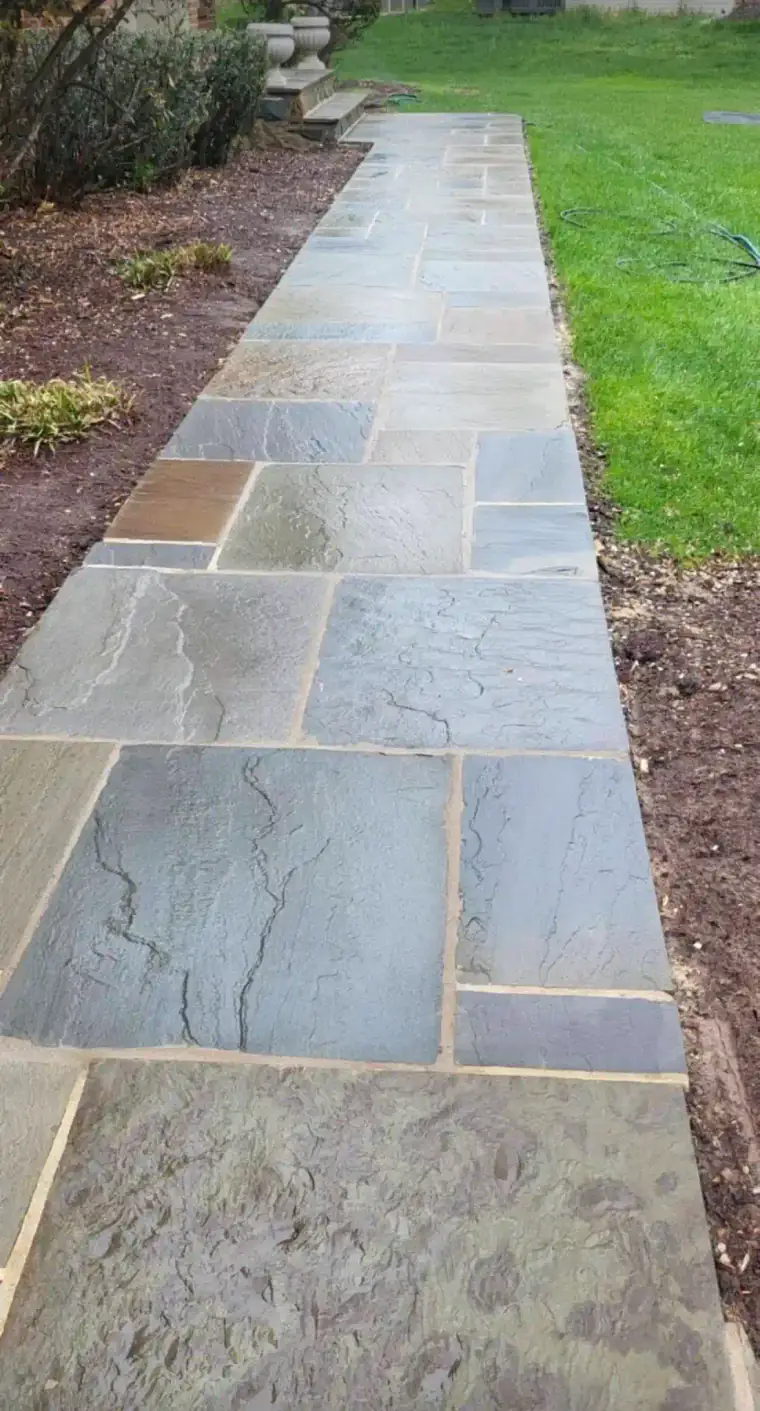
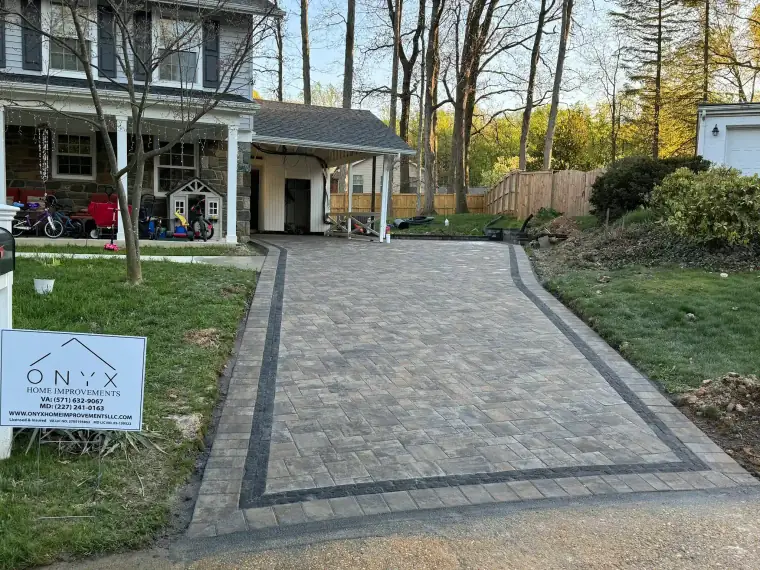
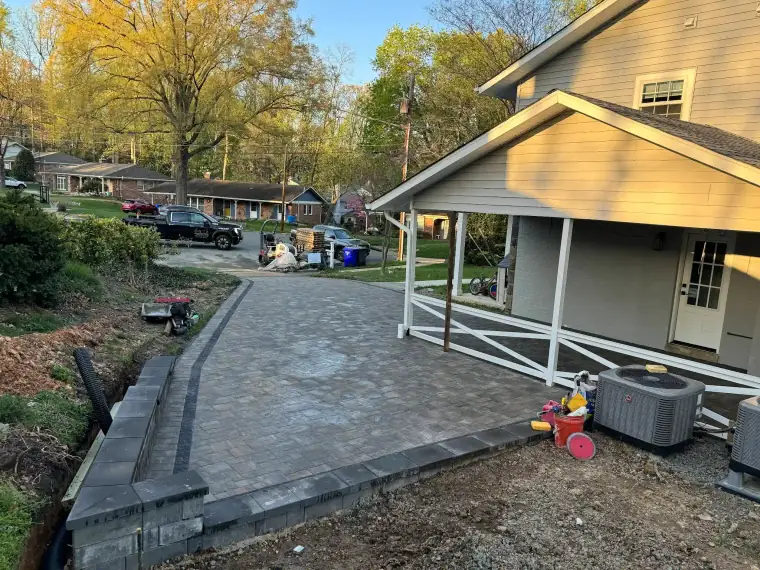
★★★★★
Onyx’s response was fast and professional. They came out and gave a very fair price and did a fantastic job. They were professional, expedient, friendly and punctual. Would highly recommend them.
Questions
Frequently asked
Natural stone or manufactured veneer?
Manufactured veneer is lighter, cheaper, and comes in consistent shapes, which makes installation faster. Natural stone costs more, weighs more, and holds its color and texture far longer — manufactured product is pigmented through a surface layer and fades with sustained sun exposure in a way real stone does not. On a front elevation that will be looked at every day for twenty years, the difference is worth the cost. On a sheltered accent wall, often it is not.
Can veneer fall off?
Badly installed veneer can, and when it does the cause is almost always behind the stone rather than in it — no drainage plane, no proper lath, or stone set directly onto a surface it cannot bond to. Water gets behind, has nowhere to go, and freeze-thaw pushes the stone off the wall. It is the reason we spend as much time on what goes on before the stone as on the stone itself.
Can it go over my existing brick or siding?
Over sound masonry, usually yes, with the surface prepared so the mortar bonds. Over siding it is not a matter of sticking stone to what is there — the siding comes off and the wall is built up properly underneath. Anyone offering to apply veneer straight onto existing siding is describing a job that will fail.
Does stone veneer need maintenance?
Very little. An occasional rinse, and attention to any joint that opens up so water does not start traveling behind the face. What matters more is keeping gutters and grade doing their job, since veneer problems almost always begin as water problems somewhere else on the building.
Also from Onyx
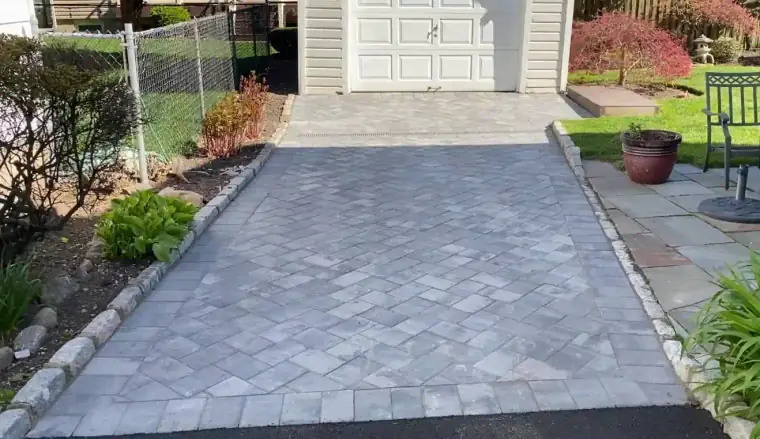
Driveway Paving
Asphalt, concrete, and paver driveways across Northern Virginia and DC. Base prep done right, every layer laid the way it should be.
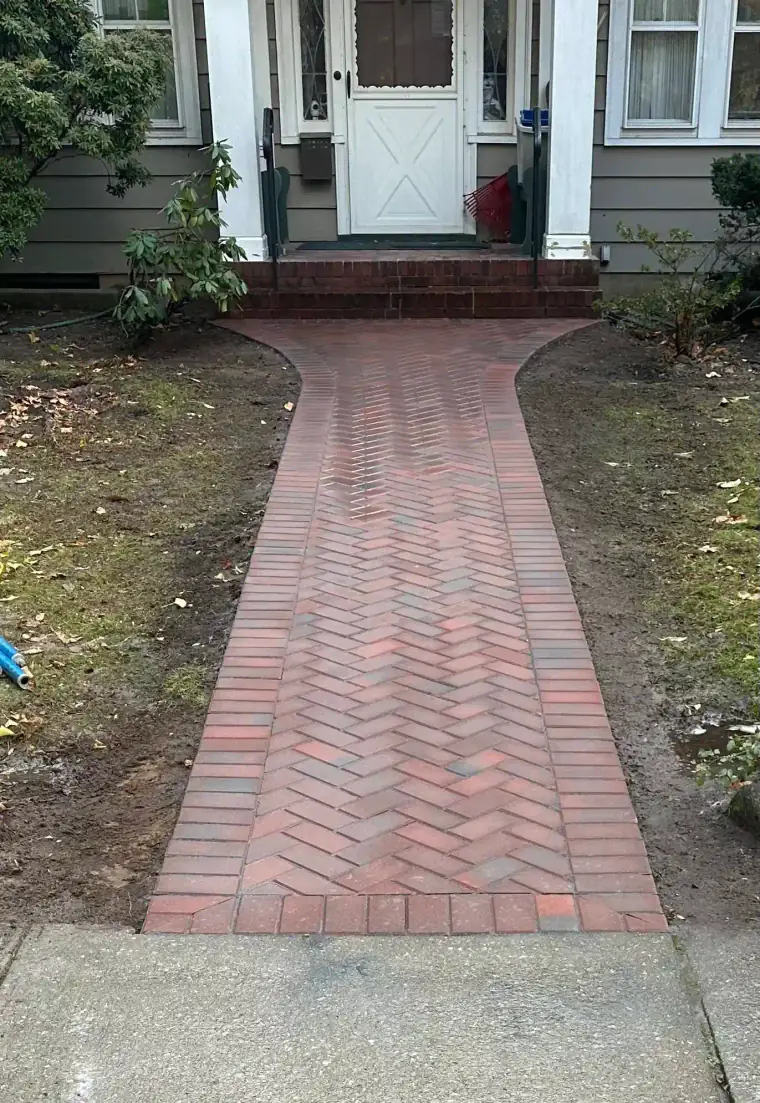
Brickwork
Brick patios, entryways, steps, facades, and repointing. Traditional technique, materials chosen to match what is already there.
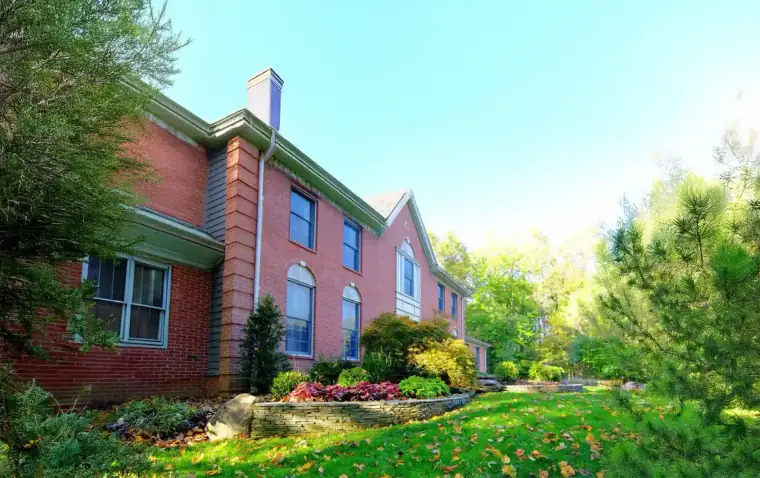
Retaining Walls
Natural stone and segmental block walls that hold back soil, stop erosion, and add real structure to a yard.
Service area
Estimates are free everywhere on this list. If you are just outside it, call and ask — we often can.