Benefits of Installing an Outdoor Fireplace



Outdoor living spaces endure constant exposure to weather, foot traffic, and shifting ground conditions. Homeowners often discover that many patio materials weaken faster than expected under daily use. A bluestone patio responds differently because it forms under extreme natural pressure. That formation gives it strength that remains consistent year after year. A bluestone patio fits outdoor living spaces where reliability matters as much as appearance.
A bluestone patio is an outdoor surface built using natural bluestone slabs or pavers. This stone comes from dense sedimentary rock formed under intense pressure. Bluestone patio installations create durable walkways, seating areas, and gathering spaces. The stone’s natural texture provides grip while maintaining visual appeal. Installers set bluestone on compacted bases or mortar systems for stability. This patio type handles weather changes without losing structural integrity. Homeowners choose bluestone for its balance of strength, longevity, and natural appearance.
A bluestone patio delivers durability that meets the real demands of outdoor spaces. This surface handles constant exposure, weight, and movement without breaking down. Many homeowners choose bluestone after seeing other materials fail too soon. Its performance creates a strong foundation for understanding the durability advantages that follow.
Durability refers to how well an outdoor surface withstands real-world conditions. Natural bluestone provides strength that resists cracking and erosion. Homeowners notice fewer structural issues over time. This reliability explains its use in both residential and commercial environments.
Bluestone forms under intense pressure within the Earth’s layers. This process creates dense stone with high compressive strength. Heavy furniture rarely causes surface damage or fractures. Frequent foot traffic does not grind the stone down quickly. The material resists chipping better than softer stones. This strength supports outdoor spaces designed for constant use.
Weather extremes often damage outdoor surfaces over time. Bluestone tolerates freeze-thaw cycles without splitting. Hot temperatures do not warp or weaken the stone. Rainwater drains effectively when installed on a proper base. Snow and ice rarely affect structural integrity. This adaptability suits regions with shifting seasonal conditions.
Outdoor areas often feature grills, seating, and gathering areas. Bluestone distributes weight evenly across its surface. Proper installation prevents sinking or uneven settling. Fire features rest securely without cracking the stone. Commercial walkways rely on this strength daily. Residential spaces benefit from the same structural confidence.
Material choice directly affects how long a patio remains usable. Some options deteriorate after only a few years. Bluestone maintains strength and stability far longer. This lifespan reduces replacement frequency and disruption.
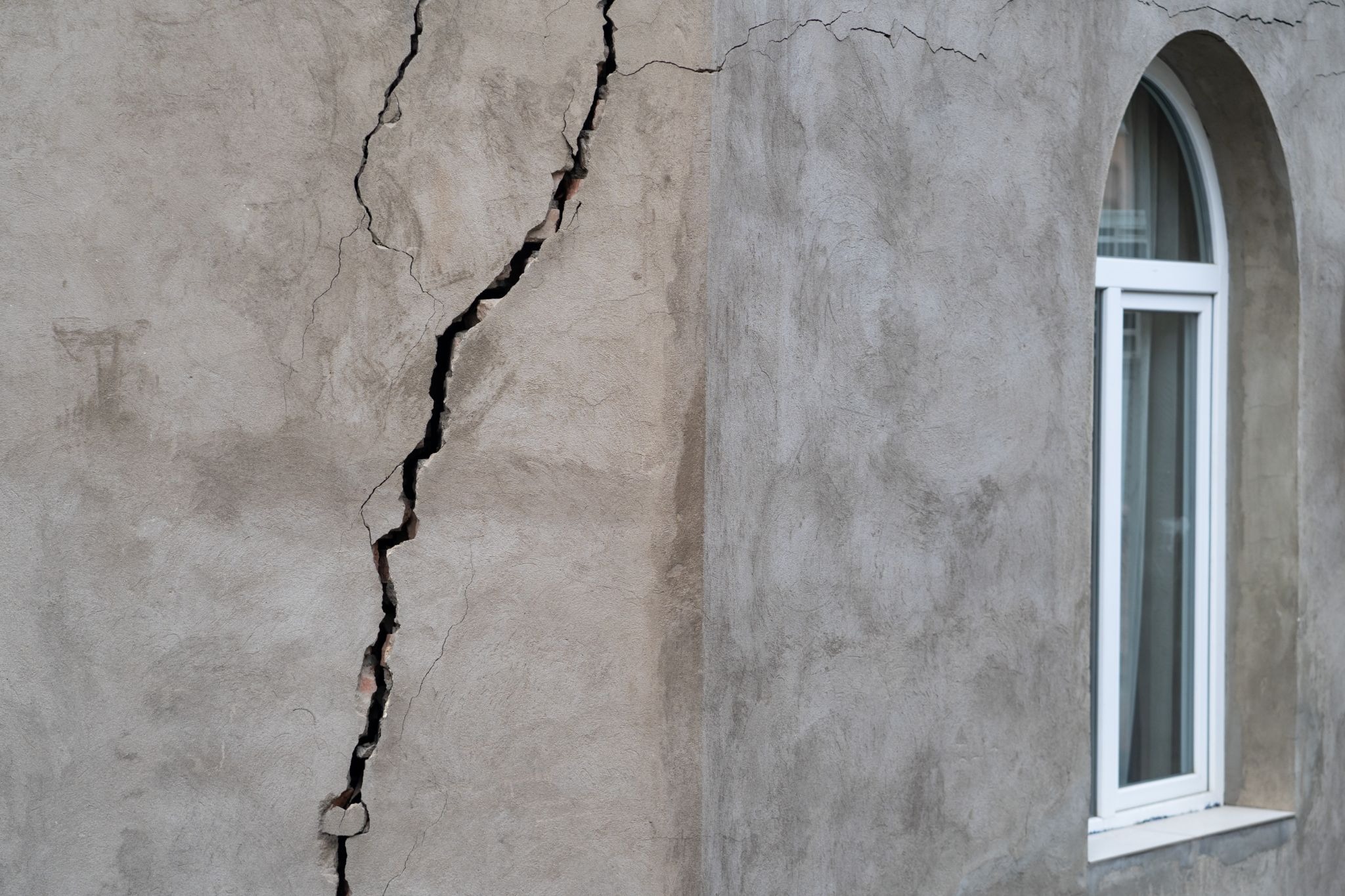
Concrete slabs crack as ground conditions shift. This cracking spreads quickly across the surface. Individual stone pieces allow natural movement without failure. Repairs stay localized rather than extensive. Visual damage appears less severe over time. Longevity favors stone over poured materials.
Brick pavers chip and fade with sun exposure. Manufactured finishes wear unevenly over time. Bluestone holds color throughout its thickness. Edges resist damage better under pressure. Joint maintenance remains manageable with thicker stone. Performance remains consistent under heavy use.
Wood absorbs moisture and attracts insects. Composite materials fade and warp under heat. Stone does not rot or harbor pests. Sun exposure does not weaken its structure. Maintenance demands remain lower long-term. Durability makes stone a practical alternative.
Daily use reveals weaknesses in outdoor surfaces. Bluestone handles repeated contact without surface failure. Texture remains stable over time. This resistance supports patios designed for frequent activity.
Natural texture provides reliable traction underfoot. Wet conditions do not make the surface slick. Cleft finishes improve grip without harsh roughness. Smooth finishes still offer controlled footing. Chemical treatments remain unnecessary. Safety remains consistent across seasons.
High traffic polishes many hard surfaces. Bluestone resists smoothing caused by repeated walking. Texture stays consistent in busy areas. Uneven wear rarely appears. Commercial spaces depend on this trait. Homes benefit from lasting surface performance.
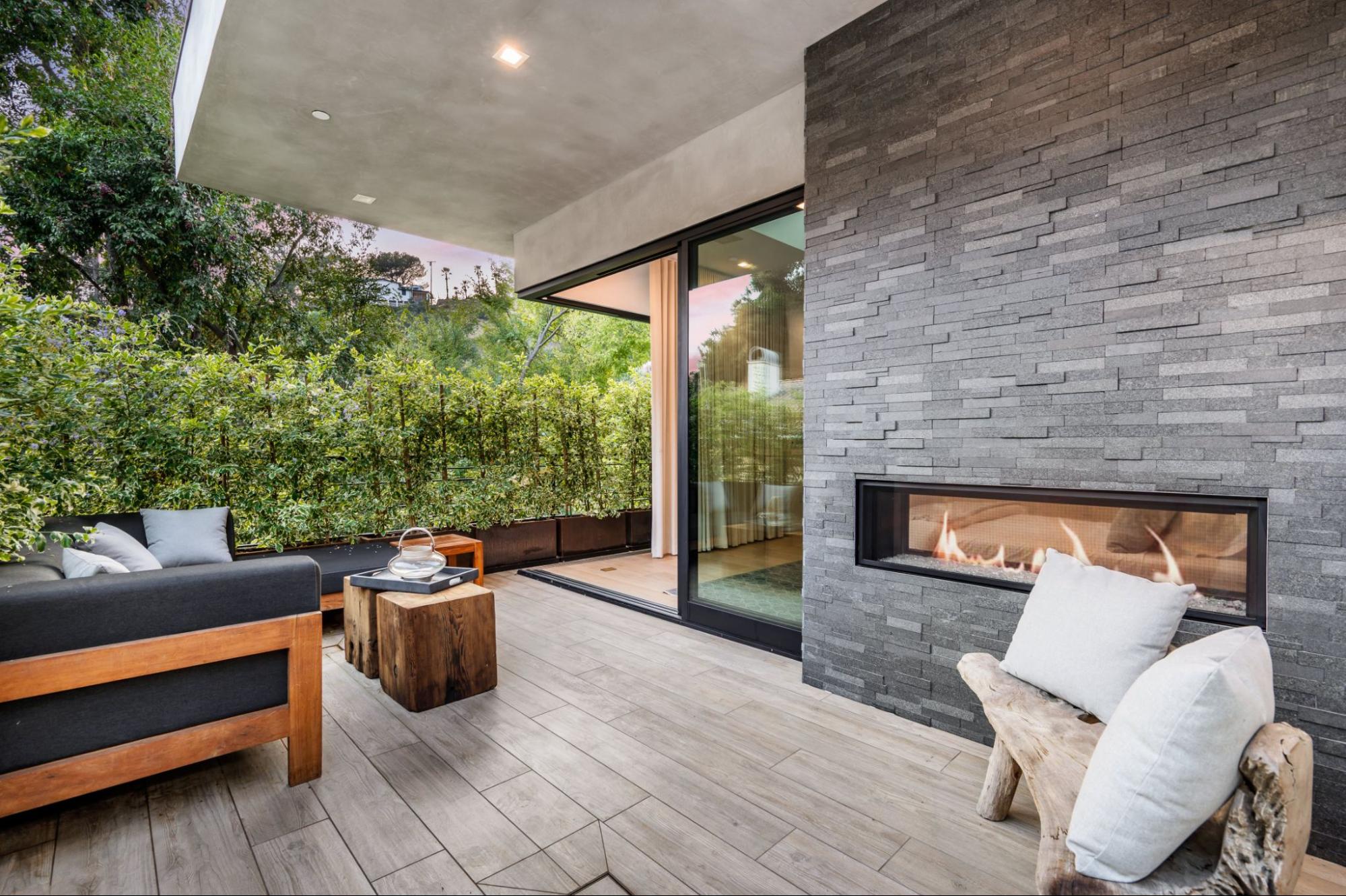
Stone handles heat exposure without cracking. Fire pits sit securely on stable surfaces. Grease and food spills clean easily when sealed. Furniture movement rarely scratches the surface. Decorative features integrate smoothly. Design flexibility remains high.
Durability improves further with simple maintenance. Bluestone does not demand intensive care. Routine upkeep preserves appearance and structure. This balance suits busy homeowners.
Sweeping removes debris that traps moisture. Occasional rinsing clears surface buildup. Mild cleaners handle organic stains effectively. Harsh chemicals remain unnecessary. Seasonal cleaning protects joints. Time investment stays minimal.
Sealing adds resistance against stains and moisture. Penetrating sealers preserve natural texture. Color depth improves without gloss. Reapplication schedules remain manageable. Cleaning becomes easier afterward. Protection extends surface life.
Individual stones are replaced without disturbing the surrounding areas. Repairs remain discreet and cost-controlled. Joint restoration restores stability quickly. Complete replacement rarely becomes necessary. Damage stays localized. Long-term value remains protected.
Installation quality directly affects durability outcomes. Proper preparation prevents movement and settling. Skilled techniques support long-term performance. Stability begins below the surface.
Compacted bases distribute weight evenly. Drainage layers prevent water retention. Proper grading directs runoff away. Freeze-related movement becomes less likely. Professional installers follow tested standards. Structural integrity improves significantly.
Stone thickness affects load performance. Thicker pieces are suitable for driveways and heavy-use areas. Thinner options work for walkways and seating areas. Consistent sizing improves joint strength. Selection aligns with usage demands. Performance depends on proper choice.
Layout influences stress distribution across surfaces. Random patterns spread weight more evenly. Tight joints allow controlled movement. Edge restraints prevent outward shifting. Proper spacing accommodates expansion. Design choices support longevity.
Durability contributes to long-term value. Bluestone supports cost efficiency over time. Appearance remains consistent across decades. Property appeal benefits as a result.
Initial installation costs exceed some alternatives. Longevity offsets early investment. Maintenance expenses remain low. Replacement cycles extend far longer. Cost per year stays competitive. Value strengthens gradually.
Natural color fades slowly and evenly. Surface character deepens with time. Design styles remain compatible. Trend shifts do not limit appeal. Visual consistency adds confidence. Aesthetic longevity supports resale.
Durable stone signals quality construction. Buyers recognize low-maintenance value. Outdoor spaces influence purchasing decisions. Reliable patios inspire confidence. Market appeal increases steadily. Property value benefits accordingly.
Moisture absorption remains one of the least understood durability factors. Bluestone with lower porosity handles winter conditions more effectively. This characteristic affects how water moves within the stone. Understanding absorption rates helps predict long-term performance.
Bluestone varies in porosity depending on formation conditions; lower porosity limits water entry into the stone. Reduced water content lowers internal pressure during freezing. Stones with higher porosity degrade faster over time. Professional suppliers test absorption rates before sale. This testing supports better material selection.
Water expands when frozen inside stone pores. Repeated expansion weakens internal bonds gradually. Dense bluestone limits this expansion effect. Surface damage appears later or not at all. Freeze-resistant stone remains structurally intact longer. Climate-specific selection improves durability.
Bluestone durability depends not only on the stone itself but also on how it is sourced and processed. Stone from different quarries varies in density, mineral composition, and moisture resistance. Cutting methods influence how the stone handles stress over time. These factors directly affect performance yet rarely appear in standard patio discussions.
Bluestone quarried from different regions varies in mineral concentration. These minerals affect how tightly the stone bonds at a microscopic level. Denser stone resists water absorption more effectively. Lower absorption reduces cracking during freeze cycles. Experienced installers often select stone from proven quarry sources. This sourcing choice contributes to long-term reliability.
Cutting techniques influence stone durability in subtle ways. Thermal cutting exposes stone to intense heat. This process can create micro-fractures along cut edges. Natural cleaving follows the stone’s grain. That method preserves internal strength and reduces stress points. Cleaved stone often performs better over the long term.
Stone pieces with inconsistent thickness experience uneven load distribution. Thinner areas absorb more stress under weight. Over time, this imbalance can cause cracking. Uniform thickness improves structural balance across the surface. Skilled suppliers grade stone carefully before distribution. That attention reduces long-term structural risk.
A bluestone patio supports outdoor spaces designed for long-term use and reliability. The right material matters, but proper installation determines how well it performs over time. Working with a trusted masonry contractor helps avoid common issues tied to drainage, base preparation, and stone selection. Experienced professionals understand how bluestone responds to climate and daily use. That level of expertise turns a durable material into a lasting outdoor asset.
Stay informed on long-lasting outdoor solutions by browsing the Onyx Home Improvements blog, where experience meets practical advice.