What Does a Paving Contractor Do?


When people think about paving, they often picture the final result: a smooth driveway or a neatly finished roadway. What they do not always see is the amount of planning, labor, and technical skill that goes into creating those finished surfaces. A paving contractor does far more than pour asphalt or lay concrete. This professional helps plan, prepare, install, repair, and maintain paved surfaces so they perform well and last as long as possible.
Understanding what a paving contractor does can help property owners make smarter decisions when starting a residential paving project. Whether the job involves a brand-new driveway or repairing damaged pavement, a paving contractor plays a central role in making sure the work is done safely, efficiently, and correctly.
A paving contractor is a skilled professional or company that specializes in building and maintaining paved surfaces. These surfaces can include driveways, walkways, and other flat surfaces that need to support foot or vehicle traffic. Their work often involves asphalt, concrete, sealcoating materials, gravel bases, and drainage solutions, depending on the project.
The role of a paving contractor includes much more than installation. They assess the site, determine what materials and techniques are best for the property, prepare the ground, manage equipment, and complete the paving process from start to finish. In many cases, they also provide repair and maintenance services that help extend the life of the pavement after installation.
One of the first things a paving contractor does is evaluate the site. This step is essential because every property has different conditions that affect how pavement should be installed. The contractor looks at the current state of the surface, the slope of the area, soil stability, drainage issues, traffic patterns, and any signs of damage or structural weakness.
This evaluation helps the contractor determine the scope of the project and recommend the right solution. For example, a surface with deep cracks and poor drainage may need more than a simple overlay. In another case, a property owner may need full excavation and rebuilding to create a stable base. By assessing the site carefully, a paving contractor can prevent problems before the work begins and give the customer a clearer understanding of what the project requires.
Planning is another major part of what a paving contractor does. Once the site has been inspected, the contractor develops a plan for how the project should move forward. This includes choosing materials, measuring the area, calculating quantities, preparing equipment, and scheduling the work in an efficient order.
A good paving contractor also considers how the paved surface will be used once it is complete. The thickness of the pavement, the type of base material, and the overall design may change depending on how much traffic the surface will handle. Careful planning helps ensure the finished pavement is practical, durable, and suited to the property.
One of the most important responsibilities of a paving contractor is preparing the ground before any paving material is installed. This stage often determines how well the finished pavement will hold up over time. Even the best paving material can fail early if it is placed on an unstable or poorly prepared base.
Ground preparation may involve removing old pavement, clearing debris, grading the area, compacting soil, and installing a strong aggregate base. The contractor works to create a stable foundation that can support the weight and pressure the surface will face. Proper grading is also critical because it allows water to drain away instead of collecting on top of the pavement or seeping underneath it. Without this step, the surface may crack, sink, or deteriorate much faster.
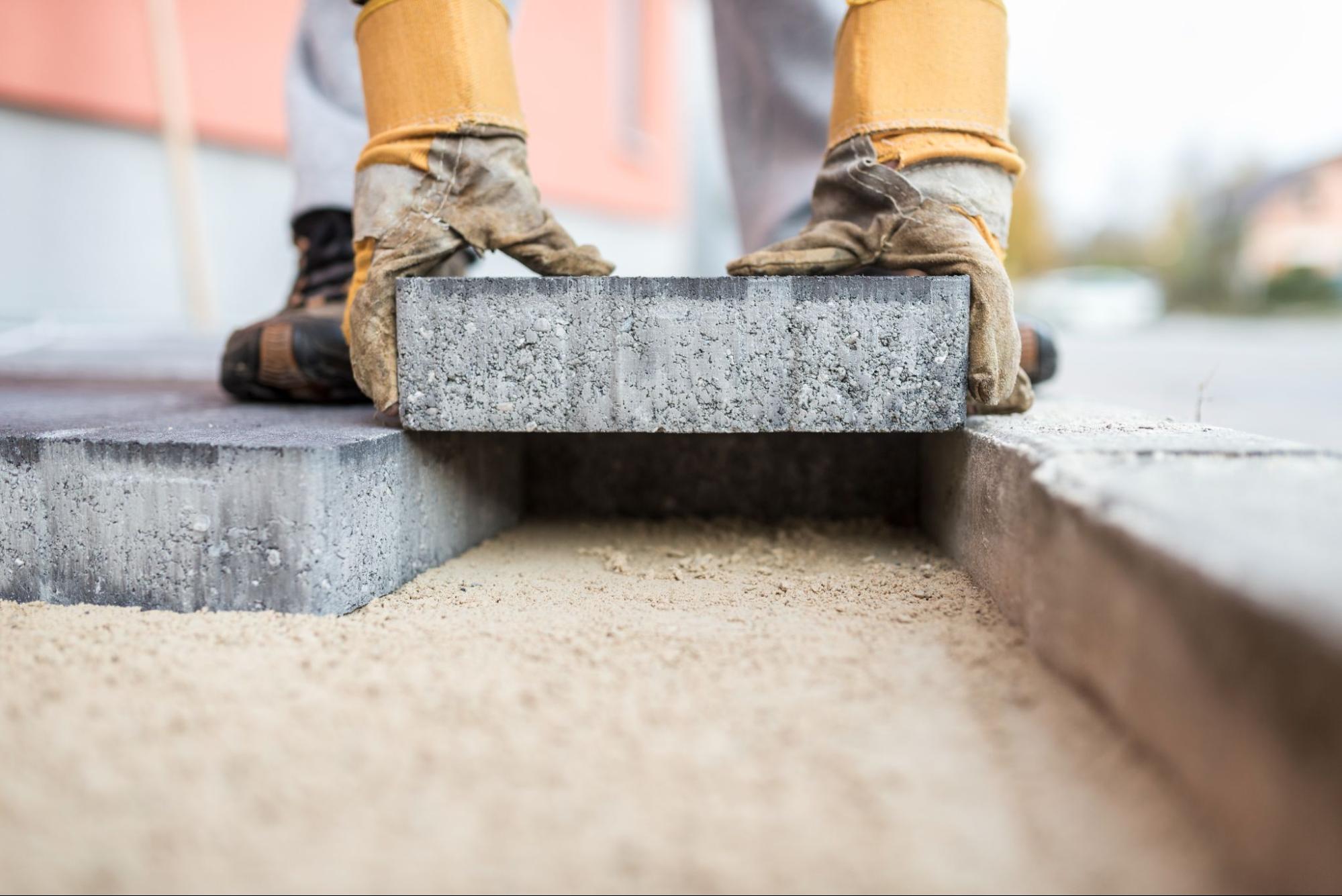
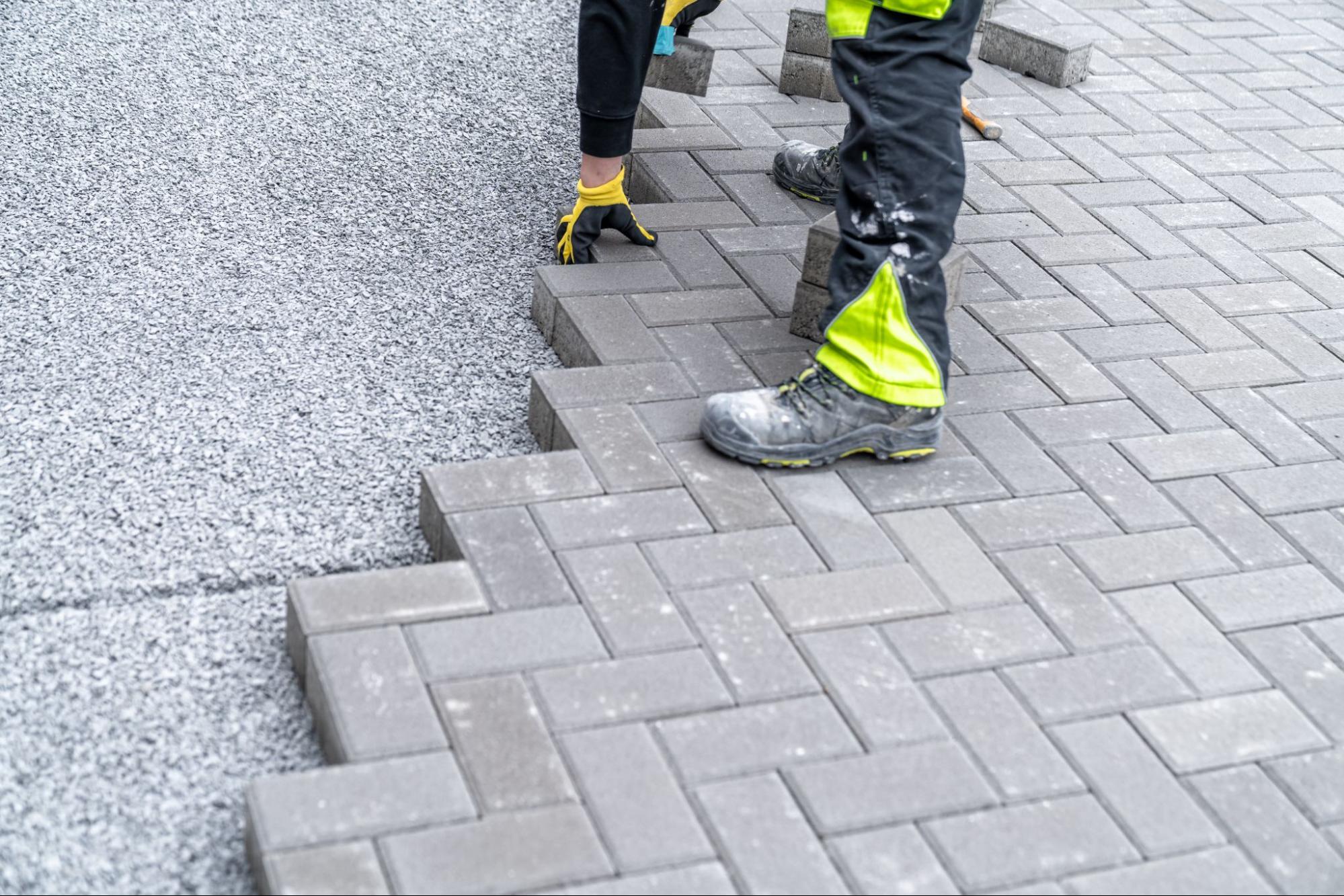
Once the site is ready, the paving contractor installs the new surface. In many projects, this means laying asphalt, which is one of the most common paving materials for driveways. Asphalt is valued for its durability, smooth finish, and ability to handle changing weather conditions. Some paving contractors also work with concrete, depending on the type of project and the needs of the customer.
The installation process requires experience, timing, and precision. Asphalt must be spread and compacted at the right temperature, while concrete must be poured, leveled, and finished correctly to avoid defects. A paving contractor uses specialized machinery and tools to make sure the material is distributed evenly and compacted properly. This helps create a surface that looks clean, functions well, and resists premature wear.
Drainage is a major part of paving work, and it is one of the reasons hiring an experienced paving contractor matters. Water is one of the biggest threats to pavement. If it pools on the surface or reaches the base underneath, it can cause cracks, potholes, erosion, and structural failure.
A paving contractor designs the paved area so water flows away from the surface as it should. This may involve adjusting the slope, reshaping the grade, or installing drainage features around the paved area. Good drainage helps protect the pavement from damage and supports longer-term performance. It also improves safety by reducing standing water that can create slippery conditions or contribute to surface breakdown.
Not every project starts from scratch. In many cases, a paving contractor is hired to repair existing pavement that has become damaged over time. Cracks, potholes, edge breakdown, surface fading, and drainage issues are common signs that repairs are needed. These problems can develop due to weather exposure, heavy traffic, age, poor installation, or lack of maintenance.
A paving contractor can recommend the right repair strategy based on the severity of the damage. Minor surface cracks may be filled and sealed, while larger damaged areas may need patching or resurfacing. In some cases, full replacement is the better investment if the foundation is failing. Repair work is not just about appearance. It helps restore safety, improve function, and prevent damage from spreading across the rest of the paved surface.
A paving contractor often continues working with property owners after installation by offering maintenance services. Pavement is exposed to weather, vehicle traffic, sunlight, moisture, oil, and other conditions that slowly wear it down. Maintenance helps slow that process and protect the investment.
Common maintenance services include sealcoating, crack filling, patching, cleaning, and surface inspections. Sealcoating helps protect asphalt from oxidation, moisture, and chemical spills. Crack filling prevents water from entering the pavement and causing deeper structural problems. Routine maintenance can add years to the life of the pavement and reduce the chance of expensive repairs later. A paving contractor helps property owners understand when these services should be scheduled and why they matter.
Another important part of what a paving contractor does is operate specialized equipment safely and effectively. Paving projects rely on machinery such as excavators, skid steers, dump trucks, pavers, rollers, and grading equipment. Each piece of equipment plays a role in excavation, base preparation, material transport, or final compaction.
Using this equipment requires training and experience. A paving contractor must understand how to control grade, maintain proper material thickness, and compact surfaces to the right density. Beyond the machinery, the contractor also needs practical knowledge of paving materials, weather conditions, jobsite safety, and project sequencing. This combination of technical skill and field experience helps produce better results than a quick or poorly managed paving job.
Hiring a professional paving contractor can help property owners avoid many common problems that lead to wasted money and early pavement failure. Poor grading, weak base preparation, uneven compaction, and bad drainage can all shorten the life of a paved surface. These issues may not be obvious right away, but they often lead to cracking, sinking, potholes, and repeated repair costs over time.
Working with an experienced contractor improves the odds of getting a surface that performs well from the beginning. It also gives property owners better guidance on maintenance, repairs, and realistic expectations for lifespan. That makes the investment more worthwhile in both the short and long term.
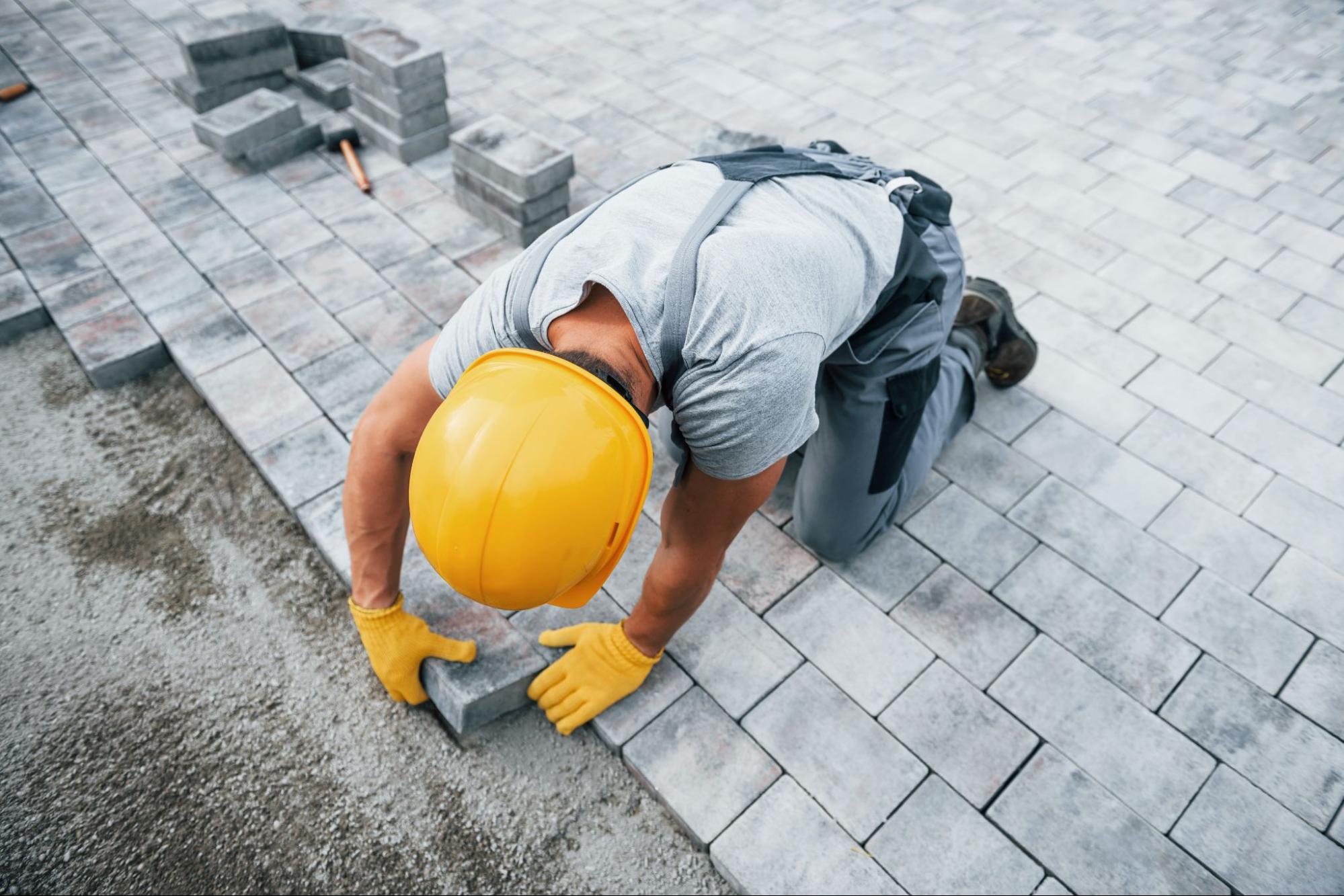
A paving contractor does much more than install asphalt or concrete. This work involves site evaluation, planning, grading, base preparation, drainage control, installation, repair, and long-term maintenance. Each step plays a part in creating paved surfaces that are safe, durable, and built to handle everyday use.
For property owners, understanding what a paving contractor does makes it easier to choose the right professional and make informed decisions about paving projects. For property owners, understanding what a paving contractor does makes it easier to choose the right professional and make informed decisions about paving projects. For a new installation or repair, a qualified contractor helps ensure the finished surface looks good, performs well, and lasts for years.
Visit our Onyx Home Improvement LLC blog to learn more about masonry, stonework, and more!