What You Need to Know Before Building a Retaining Wall


A retaining wall can solve several outdoor problems at once, but it is not a project you want to approach without a clear plan. Many property owners think of a retaining wall as a simple hardscape feature, yet it plays a much bigger role in protecting land, managing drainage, and supporting long-term stability. Before construction begins, it is important to understand what the wall needs to do, what conditions it will face, and how the design will affect the surrounding property.
Whether the goal is to create more usable yard space, prevent soil erosion, or improve the appearance of a sloped area, the success of the project depends on preparation. Building a retaining wall involves more than choosing materials and deciding on a height. It requires a close look at grading, drainage, soil conditions, and structural support. When these details are addressed early, the finished wall is more likely to perform well and last for years.
Many outdoor upgrades are mainly decorative, but building a retaining wall is both functional and structural. A wall must hold back soil safely while dealing with the weight and pressure that naturally builds behind it. That makes it different from features such as garden edging, planters, or low decorative borders. A retaining wall has to handle real force, especially when the ground becomes wet or unstable.
Because of that, the planning stage matters just as much as the installation itself. A wall that looks attractive on the surface can still fail if it is not designed to suit the slope, drainage conditions, and soil movement of the site. Understanding that reality helps property owners treat the project with the level of care it deserves. Good design is not just about appearance. It is about creating a structure that can support the land safely over time.
Before anything is built, it helps to define the primary reason for the wall. Some retaining walls are installed to prevent soil from washing downhill during rain. Others are used to level out a yard, create planting zones, support a driveway, or improve access across uneven terrain. In some cases, a retaining wall is doing several of these jobs at once.
That is why the intended purpose should guide every other decision. The height, length, material, and structural design of the wall all depend on what it needs to support. A short wall used to shape a landscape bed may have very different requirements than one holding back a steep grade near a patio or foundation. Starting with a clear goal helps prevent costly design mistakes and makes it easier to choose the right construction approach.
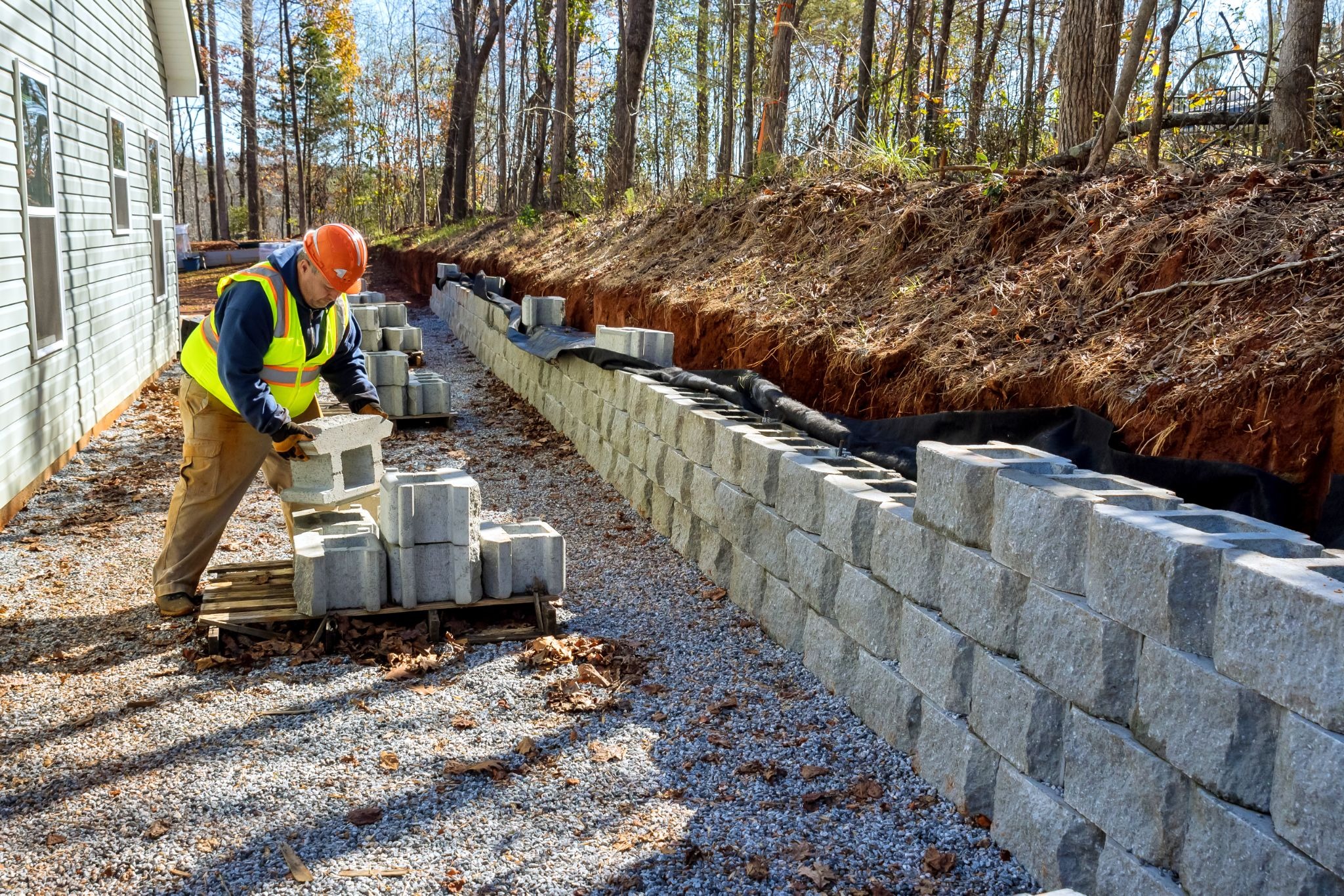
Soil is one of the most important factors in any retaining wall project. Different soil types behave in different ways, and that affects how much pressure the wall will need to resist. Loose sandy soil drains differently than dense clay, and clay-heavy ground can hold water in ways that increase pressure behind the wall. Some soils shift more easily, while others compact more reliably under load.
This is why site conditions should never be guessed. If the wall is being built in an area with unstable, expansive, or poorly draining soil, the design may need added reinforcement or drainage support. Ignoring soil conditions can lead to leaning, bulging, cracking, or early failure.
A retaining wall must respond to the conditions below and behind it, not just the visible space in front of it.
Water causes many retaining wall failures, which is why drainage should never be treated as an afterthought. When water collects behind a wall, it adds extra pressure to the soil and weakens the structure’s ability to hold everything in place. Even a well-built wall can struggle if runoff has nowhere to go. Drainage systems help redirect that water before it becomes a problem.
A strong retaining wall often includes gravel backfill, drainage pipe, and features that allow water to escape instead of building up behind the structure. These hidden details may not be the most visible part of the project, but they are often the reason the wall performs well over time. Proper drainage protects the wall itself and helps preserve the surrounding yard from erosion, pooling, and soil movement.
Drainage plans may include several components depending on the site and wall design. These often work together to reduce moisture buildup and keep pressure under control.
Gravel creates space for water to move more freely rather than getting trapped in dense soil. It also helps reduce hydrostatic pressure and supports more consistent drainage.
A drain pipe collects water and moves it away from the wall. This is especially useful in areas where runoff or groundwater buildup is likely.
The land around the wall should direct water away from the structure instead of funneling it toward it. Surface drainage matters just as much as what happens underground.
There are many materials that can be used when building a retaining wall, and each comes with its own strengths. Concrete blocks are a popular option because they are durable, versatile, and available in many styles. Natural stone offers a timeless appearance and strong visual appeal.
Timber may work for smaller walls in certain settings, though it generally has a shorter lifespan than masonry products. Poured concrete can create a clean, solid finish for walls that need a more engineered look.
The best material depends on more than style. It also depends on the wall’s height, the soil pressure behind it, the local climate, and the overall design of the property. Some materials are better suited for curved walls, while others work best for straight, load-bearing installations. Choosing the right material means balancing appearance with performance, because a retaining wall needs to do both jobs well.
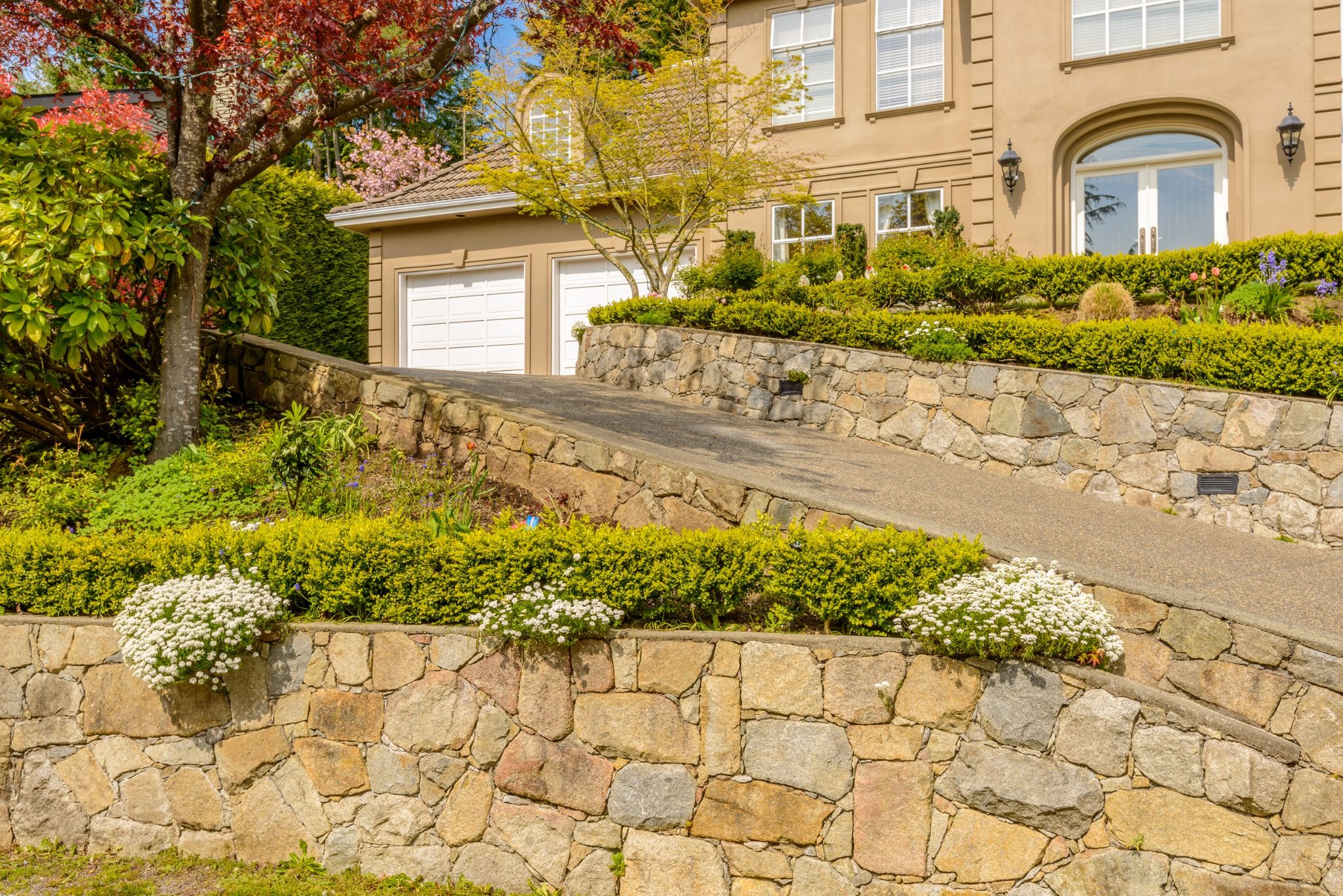
Not all retaining walls are simple to build, and height is a major reason why. As a wall gets taller, the amount of soil pressure behind it increases. That added force often means the wall needs more than basic stacking or placement. It may require deeper excavation, a stronger base, geogrid reinforcement, or engineering review, depending on local requirements and the site conditions.
This is why scale should never be underestimated. A low garden wall and a taller slope-retaining structure are not the same kind of project. The larger the wall, the more important it becomes to account for weight distribution, drainage control, and long-term stability. Property owners who understand this early are better prepared to make smart decisions about design, cost, and professional installation.
A retaining wall may look like a straightforward landscape project, but local building rules can still apply. In many areas, permits are required once a wall exceeds a certain height. Some projects may also need engineering plans, property line verification, or review of drainage impacts. These rules exist because retaining walls can affect safety, runoff, and neighboring land.
Checking local requirements before work starts can prevent delays and unexpected costs. It is much easier to design the wall correctly from the beginning than to revise a finished project that does not meet code. Permit requirements may vary by city or county, but it is always worth confirming what is needed before excavation begins. That step protects both the project and the property owner.
A retaining wall is only as strong as the base beneath it. If the foundation is uneven, poorly compacted, or too shallow, the wall may settle or shift over time. Base preparation usually involves excavation, leveling, and compacting a stable layer of material that can support the wall evenly. This step creates the groundwork for everything that follows.
Skipping or rushing base preparation can lead to visible problems later. Walls may lean forward, separate between courses, or develop weak spots that become worse with seasonal changes. A properly prepared base helps the wall resist movement and stay aligned under pressure. It is one of the least visible parts of the project, but one of the most important.
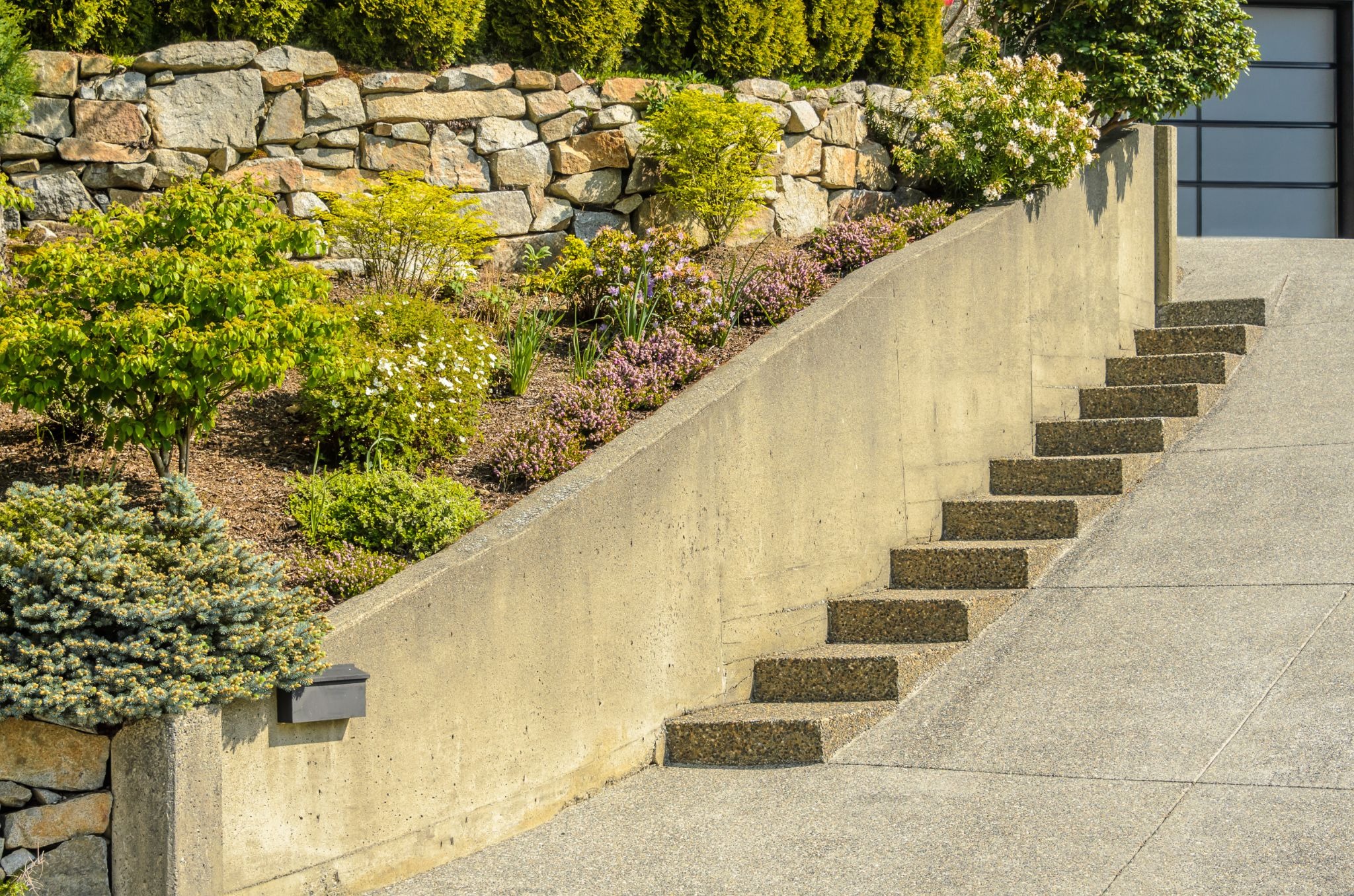
A retaining wall should feel like a natural part of the landscape rather than an isolated structure. That means the design should respond to the slope, the shape of the yard, nearby hardscaping, and the overall style of the property. A well-planned wall can improve flow, define outdoor spaces, and make awkward terrain more functional. It can also support stairs, patios, planting areas, or walkways when integrated thoughtfully.
Good design also means thinking beyond the day of installation. The wall should make sense for how the property will be used in the future. That includes maintenance access, drainage paths, planting needs, and how the wall may affect the visual balance of the yard. When a retaining wall is planned with the full landscape in mind, it tends to look better and perform better.
Retaining walls are one of those projects where expert planning can make a major difference. While some small walls may seem manageable at first glance, site conditions often reveal challenges that are easy to miss without experience. Soil pressure, drainage patterns, grading changes, and structural support all need to work together. A professional approach helps ensure those details are not overlooked.
That level of planning often saves money in the long run because it reduces the risk of early repairs, drainage issues, or full wall replacement. A retaining wall should not just solve a problem temporarily. It should provide lasting support and add value to the property. When the project is approached carefully from the start, the result is a wall that looks intentional, performs reliably, and holds up under real-world conditions.
Building a retaining wall is about much more than adding structure to a slope. It involves understanding the land, preparing for water movement, choosing the right materials, and making sure the design matches the demands of the site. Each decision affects how well the wall will function and how long it will last. Treating it like a true structural improvement rather than a simple landscape feature leads to better outcomes.
For property owners, the most important step is knowing that preparation matters. The more attention given to drainage, soil, base support, and layout before construction begins, the stronger the finished project will be. A retaining wall can improve both appearance and function, but only when it is built with long-term performance in mind.
Visit our Onyx Home Improvement LLC blog to learn more about brickwork, stone veneer, and more!