The Most Popular Materials Used in Modern Stone Work Projects


Most homeowners do not think about foundation repair until something feels “off” around the house. A tiny crack here, a sticky door there, or a slightly sloping floor may seem like normal aging, but these changes can be early signals of a deeper problem. When the soil under your home shifts or settles unevenly, it can put stress on the foundation and, over time, the entire structure. Catching those warning signs early gives you more options and helps keep repairs manageable instead of overwhelming. By understanding what to look for and how it connects to foundation repair, you can protect both your property’s value and your everyday comfort.
The earliest clues that something is wrong with a foundation often show up in minor, everyday annoyances. You might notice cracks appearing where walls meet ceilings, doors that used to close smoothly now sticking, or gaps forming around window frames and baseboards. These changes can be easy to brush off, but they frequently indicate that parts of the structure are shifting as the foundation moves. When that movement continues, cracks tend to widen, floors become more uneven, and cosmetic issues turn into more serious damage. Viewing these signs through the lens of foundation repair helps you see patterns instead of isolated problems. The sooner you connect the dots between what you see indoors and what might be happening below your home, the better your chances of addressing issues before they escalate.
Not all cracks are cause for alarm, but some patterns deserve closer attention. Hairline cracks along paint or drywall seams can result from normal settling, while wider, jagged, or stair-step cracks may hint at more significant movement. When you see cracks that keep growing, run diagonally from window or door corners, or appear in brickwork outside, it is time to take them seriously. These openings form when parts of the house move at different rates, stretching materials beyond their intended limits. Over time, they can allow moisture in, weaken structural components, and make the home more vulnerable to further damage. Having a professional evaluate suspicious cracking can determine whether cosmetic patching is enough or whether foundation repair is the safer long-term path.
Cracks radiating from door frames, window corners, or where walls meet ceilings may reflect underlying movement. When these keep reappearing after repairs, deeper investigation is usually warranted.
Stair-step cracks in masonry or gaps in mortar joints can show where the structure is shifting. Visible separation in exterior walls is a strong indication to consider an expert inspection.
Floors and doors often tell the story of a shifting foundation before you notice much else. You may feel a subtle slope when walking across a room, or realize that furniture no longer seems to sit level. Doors that rub against the frame, latch unevenly, or swing open on their own can indicate that the frame is no longer square. In some homes, gaps appear under interior doors or between floors and baseboards as the structure pulls away from its original position. While humidity and normal wear can cause similar issues, persistent or worsening changes across multiple rooms deserve attention. A professional can measure how far out of level the floors have become and recommend whether monitoring, adjustments, or foundation repair offers the best solution.
When several doors or windows suddenly become hard to open or close, the framing may be shifting. That misalignment often stems from movement at the foundation level.
Floors that feel uneven, soft, or bouncy can signal problems with supports beneath them. If changes are new or rapidly worsening, checking the foundation and substructure is essential.
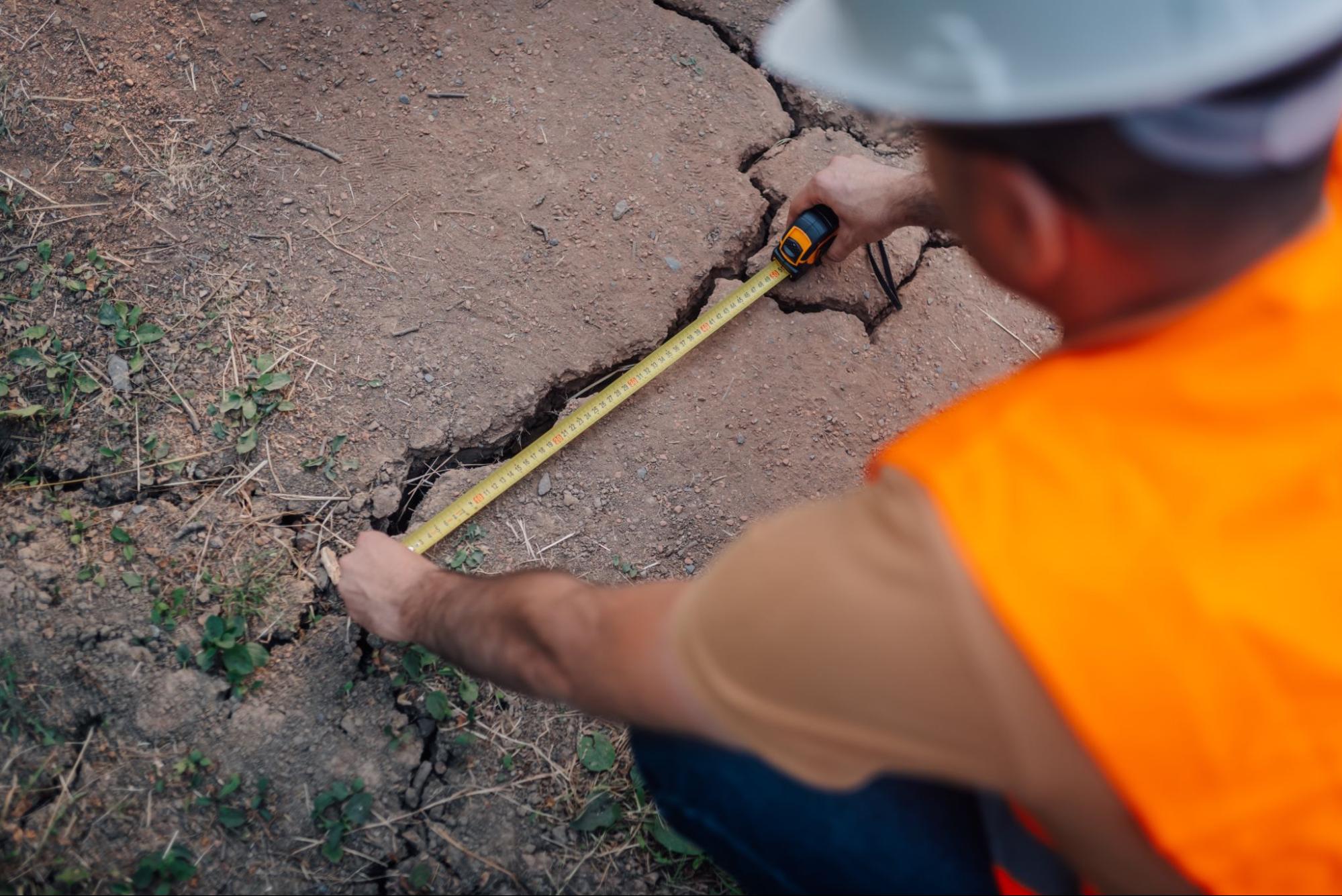
The outside of your home can show warning signs long before the interior feels dramatically different. You might spot gaps between the siding and window frames, visible separation where porches or steps meet the main structure, or leaning chimneys that once stood straight. In some yards, you may notice soil pulling away from the foundation during dry seasons or pooling water near the base of the house after storms. These exterior changes suggest that the ground is shifting or draining poorly, both of which can put pressure on the foundation. Over time, that pressure contributes to cracking, settling, or tilting that can compromise the structure. By keeping an eye on these outside clues, you can consider foundation repair before the problems spread indoors.
Spaces between the house and attached steps, patios, or porches often mark shifting support. Those separations are visual indicators that the structure is no longer moving as a single unit.
Chimneys or porch columns that lean, tilt, or separate from the house are usually not just cosmetic issues. They frequently point to uneven settling that deserves professional evaluation.
Water is one of the most critical factors in a foundation’s health. Too much moisture around the base of your home can soften soil, cause erosion, and lead to uneven support. Too little moisture in certain climates can cause soils to shrink, leaving parts of the foundation unsupported. Signs like recurring puddles near the foundation, water stains in basements or crawl spaces, or mildew odors along lower walls suggest that moisture is not being managed effectively. Over time, these patterns contribute to shifting and cracking that may require foundation repair. Addressing drainage issues early—through grading, gutters, downspouts, or other measures—often goes hand in hand with stabilizing the structure.
Damp walls, efflorescence, or standing water below the main floor can weaken materials and soil. Persistent moisture problems add stress that can eventually affect the foundation.
Downspouts that discharge near the foundation and soil sloping toward the house encourage water to collect. Correcting these patterns is a key part of preventing future movement.
The sooner you respond to warning signs, the more options you typically have for stabilizing your home. Early intervention may allow for more targeted solutions, such as localized piers, leveling, or improved drainage, instead of extensive reconstruction. Acting quickly can also limit secondary damage, like cracked finishes, warped framing, or misaligned plumbing and windows. From a financial standpoint, buyers and insurers look more favorably on a home where foundation repair has been documented and professionally completed than on one with unresolved structural issues. Most importantly, early action helps you feel more secure in your home, knowing that the structure supporting everything else has been assessed and reinforced as needed. Paying attention to small changes today can save you from big worries and larger bills in the future.
Visit our Onyx Home Improvement LLC blog to learn more about warning signs that your home may need foundation repair.