The Most Popular Materials Used in Modern Stone Work Projects


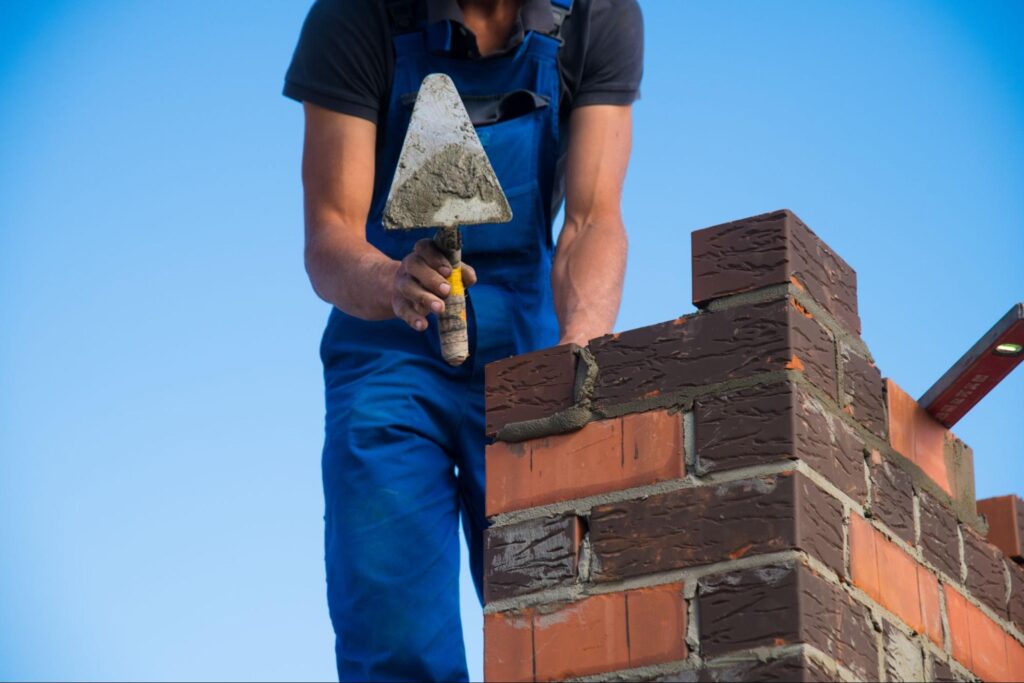
A warm fire brings comfort that matters during colder seasons, especially for property owners who depend on reliable heat. Many fireplaces lose strength over time due to buildup, wear, and airflow problems that reduce heat output. These issues grow slowly and often go unnoticed until the fire weakens or smoke spreads into the room. Proper chimney care restores performance, protects the home, and supports cleaner burn conditions. Strong service gives homeowners steady heat without forcing the system to work harder.
A chimney that stays clean and stable allows the fire to burn hotter and use fuel more effectively. When soot, creosote, or structural wear slows the draft, the fire loses strength, and the room warms much more slowly. Professional chimney service providers remove these obstacles and restore the airflow that supports stronger flames. Technicians also repair damaged parts that leak heat before it reaches the living space. These steps help the fireplace produce steady warmth with less wasted wood. Homeowners gain better comfort and better heating performance with every burn.
Fireplace heat depends on how well the chimney moves air and manages smoke. When that process weakens, the fire loses strength and uses more fuel to produce less warmth. Homeowners often spot the drop during colder months when the fire struggles to keep up. Targeted chimney work resolves these issues and increases total heat output.
Proper airflow supports a stronger fire and steady heat release. When airflow slows, the flames weaken, and the room warms less. Buildup, debris, or structural issues create this imbalance over time. Restoring airflow brings back stable draft strength and improves heat output.
Airflow carries smoke upward and feeds oxygen to the fire. When the flow slows, the flames shrink and the heat drops. Soot, ash, and creosote restrict the flue and interrupt this movement. Cleaning resets the airflow path and supports more powerful burn conditions. Homeowners feel the difference through stronger warmth and faster heat distribution. Reliable airflow also reduces smoke drift and discomfort.
Creosote builds with every fire and coats the flue walls. Thick deposits slow draft speed and reduce the heat reaching the living space. This buildup forms faster when wood burns at low temperatures. Removing creosote clears the airway and restores balanced draft pressure. A clean flue supports hotter flames and better fuel use. Stronger draft improves warmth with less strain on the system.
Animals enter open chimneys and leave twigs, leaves, and nesting material. These blockages restrict airflow and weaken heat output. Clearing these obstructions resets the pathway for steady smoke movement. Crews also check for leaves and storm debris near the cap. Removing these materials prevents sudden blockages during heavy winds. This step helps achieve more consistent performance throughout the heating season.
Air leaks disturb draft patterns and reduce the fire’s strength. Cracks or gaps in the structure pull air away from the flue path. This imbalance lowers heat output and increases smoke inside the home. Repairing leaks restores a stable draft that supports stronger flame growth. A sealed system holds heat more effectively. Homeowners experience steadier comfort with fewer fluctuations.
Combustion efficiency determines how completely each piece of fuel burns. When combustion weakens, the fireplace produces less heat and uses more wood. Draft problems, worn parts, and structural issues all reduce combustion quality. Improving these conditions raises overall heat output and supports cleaner operation.
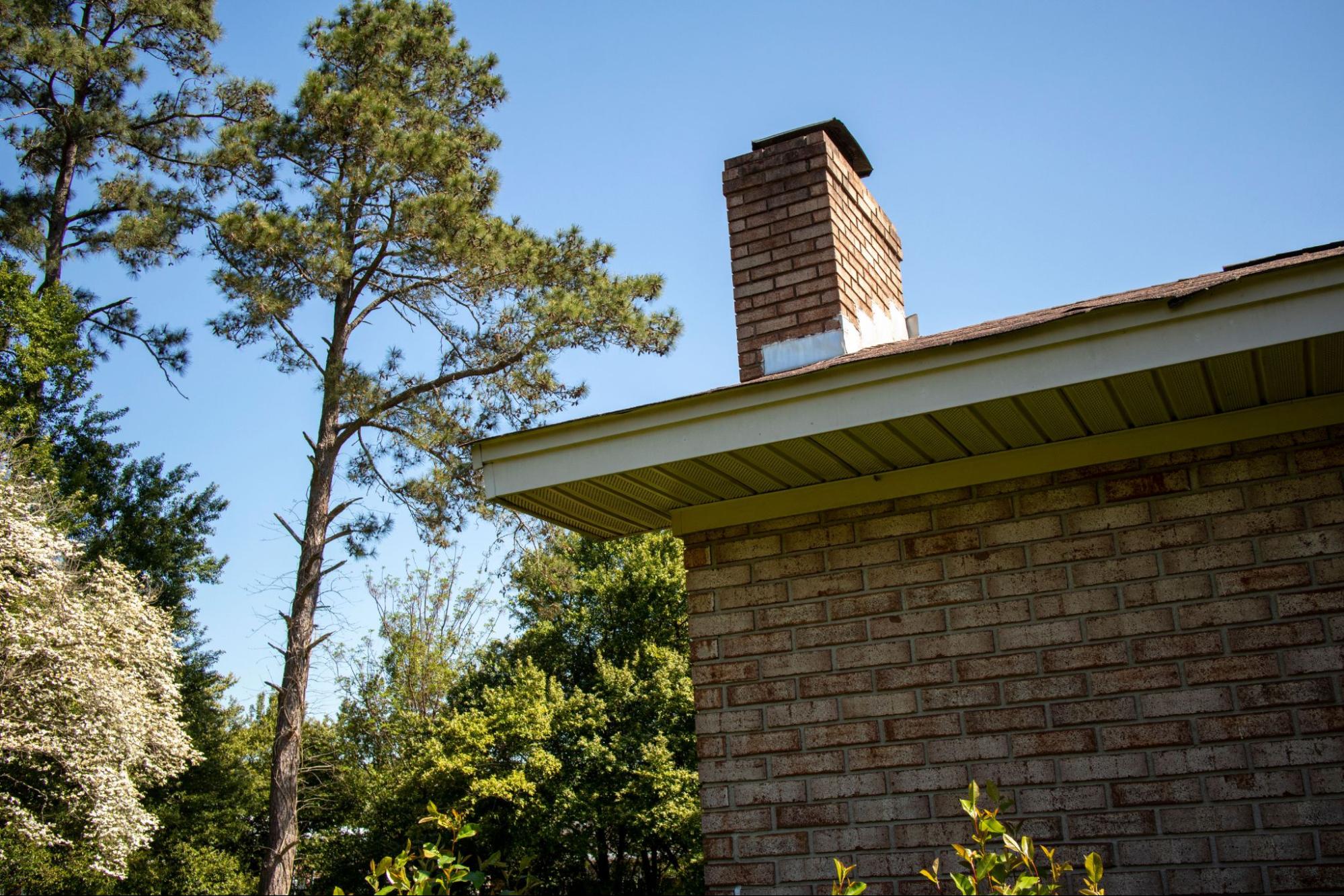
Draft issues appear when smoke rises too slowly or moves unevenly. These shifts force the fire to fight for oxygen, leading it to burn poorly. Flames weaken under these conditions, wasting more wood. Technicians measure airflow and adjust the system to achieve a stronger draft. Balanced draft supports cleaner combustion and more stable heat. A better draft reduces fuel waste and increases comfort.
The firebox absorbs intense heat during every burn. Cracks form when the material repeatedly expands and cools. These gaps weaken heat movement into the room. Repairing the firebox helps it retain heat and support a stronger flame. A stable firebox boosts heat output and reduces fuel stress. Homeowners gain more consistent warmth during colder months.
Chimney liners shape airflow and protect the flue from heat. When cracks or erosion develop, heat escapes, and turbulence forms inside the chimney. This disruption slows combustion and weakens the fire. Restoring the liner restores a smooth interior that supports a steady draft. Cleaner combustion improves heat output and reduces smoke. This upgrade protects both performance and safety.
Moisture enters through damaged caps, crowns, or masonry. Damp conditions cool smoke too quickly and raise soot buildup. These changes reduce combustion and lower the room’s heat. Technicians find moisture sources and repair the affected areas. Dry interior surfaces support stronger airflow and more efficient burn cycles, preventing future buildup and stabilizing overall heat performance.
Damaged liners allow heat to escape through weak sections. This loss lowers the fireplace’s ability to warm the home. Repairing the liner restores a barrier that holds heat inside the flue. This stability supports a stronger draft and better burn control. More heat stays in the room instead of leaking out. Homes experience warmer temperatures with less wood use.
Brick-and-mortar stores expand and crack with seasonal changes. These openings allow warmth to slip through the structure. Masonry repair seals gaps and restores heat stability. Stronger walls retain heat longer, improving fireplace performance. This repair also protects the chimney from deeper structural issues. Homeowners enjoy more consistent indoor comfort.
The smoke chamber directs fumes from the firebox into the flue. Rough or damaged surfaces slow this movement and reduce heat delivery. Restoring the chamber improves this transition and reduces turbulence. Better flow supports stronger combustion and cleaner draft. Steady movement increases heat output and reduces smoke problems. This upgrade enhances the fireplace’s reliability through frequent use.
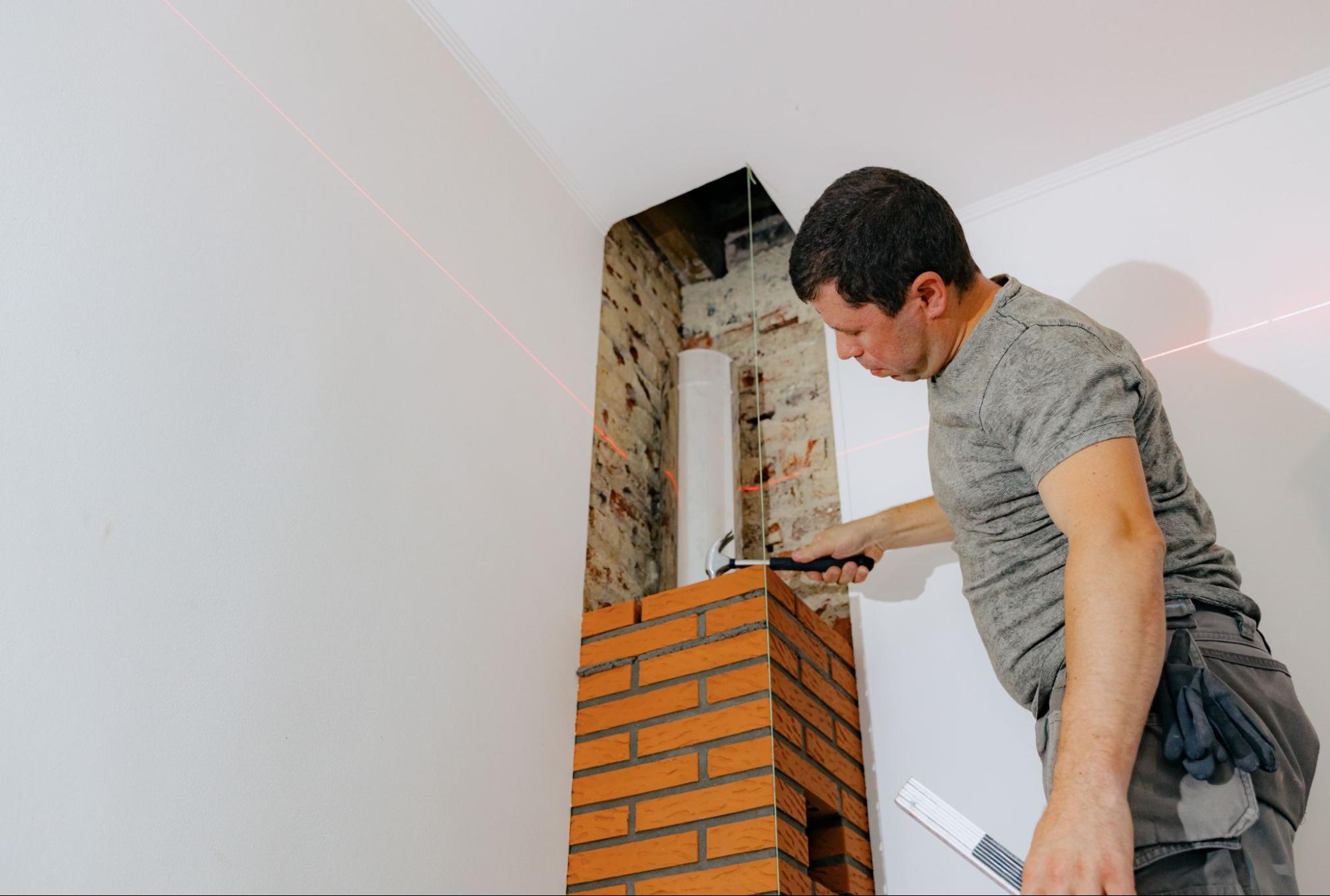
Safe operation supports intense heat and stable airflow. Hazards inside the chimney reduce burn quality and increase smoke issues. Removing these hazards restores clean pathways for the fire. Improving system safety boosts comfort and prevents performance drops.
Nests, debris, and damaged parts block the flue, weakening the fire. These hazards restrict airflow and reduce the room’s warmth. Removing them restores airflow and improves fire strength. Clean pathways also minimize the chance of backflow. Better airflow supports more complete combustion. Heat production improves once the chimney stays clear.
Routine chimney care keeps performance stable throughout the season. Buildup and wear reduce burn quality over time. Maintenance removes these stress points and supports cleaner operation. Inspections catch issues before they weaken the fire. More stable burn conditions increase total heat. Homeowners enjoy smoother heating with fewer problems.
Mechanical components control airflow, heat retention, and smoke direction. When these parts fail, the fire loses strength, and the heat output drops. Repair or replacement restores proper function and improves overall performance. These upgrades help the fireplace run more efficiently across every burn.
A working damper holds warm air inside and supports steady heat. A broken damper allows warm air to escape up the chimney too quickly. Repairing it restores complete control over heat retention. Better sealing helps the fire burn with more strength. Improved control also stabilizes airflow. Homes feel warmer with less wood use.
A chimney cap blocks wind, debris, and animals from entering the flue. When downdrafts hit the open flue, they cool the fire and reduce the heat. Upgraded caps guide the wind around the chimney to protect draft strength. This design helps the fire burn hotter and cleaner. Moisture also stays out, which protects the flue. Heat output becomes more stable and consistent.
Draft controls regulate how air enters the system. When they fail, the fire loses balance and struggles to grow. Repairing or replacing these parts stabilizes airflow and supports stronger flames. The fire burns more efficiently with proper control. Heat rises faster and spreads more evenly, boosting comfort across the home.
Better chimney performance lowers energy waste across the house. Increased heat from the fireplace reduces the load on other heating systems. Stronger airflow and cleaner burn cycles raise overall efficiency. Reducing waste improves comfort and lowers heating costs.
A strong fireplace releases more heat into multiple rooms. Better heat output lowers the need for long furnace cycles. This improvement reduces energy use and supports stable indoor temperatures. Clean airflow sends warmth farther into the living space. Intense flames produce more consistent heat. Homes benefit from improved comfort with less energy waste.
Annual maintenance supports steady heat throughout the season. Minor issues remain manageable when technicians address them promptly. Clean systems burn fuel more completely and produce stronger heat. Inspections catch changes that would weaken performance. Maintained components keep heat consistent during frequent use. Homeowners gain better warmth with fewer temperature dips.
A dependable fireplace starts with a chimney that supports strong airflow, steady heat, and safe burn conditions every time it’s used. Professional chimney work restores that balance and gives homeowners the confidence that their system will perform well through each cold season. When experts handle cleaning, repairs, and maintenance, the fire burns hotter, fuel lasts longer, and the home reaches a level of comfort that no quick fix can match. For anyone who wants a smoother, warmer, and more efficient heating experience, reaching out to a trusted chimney service provider is the step that brings those results to life.
Stay ahead of home care challenges with clear, expert tips. The Onyx Home Improvements blog offers updates that keep your space comfortable and safe.