Paving and Driveways: A Guide for Homeowners


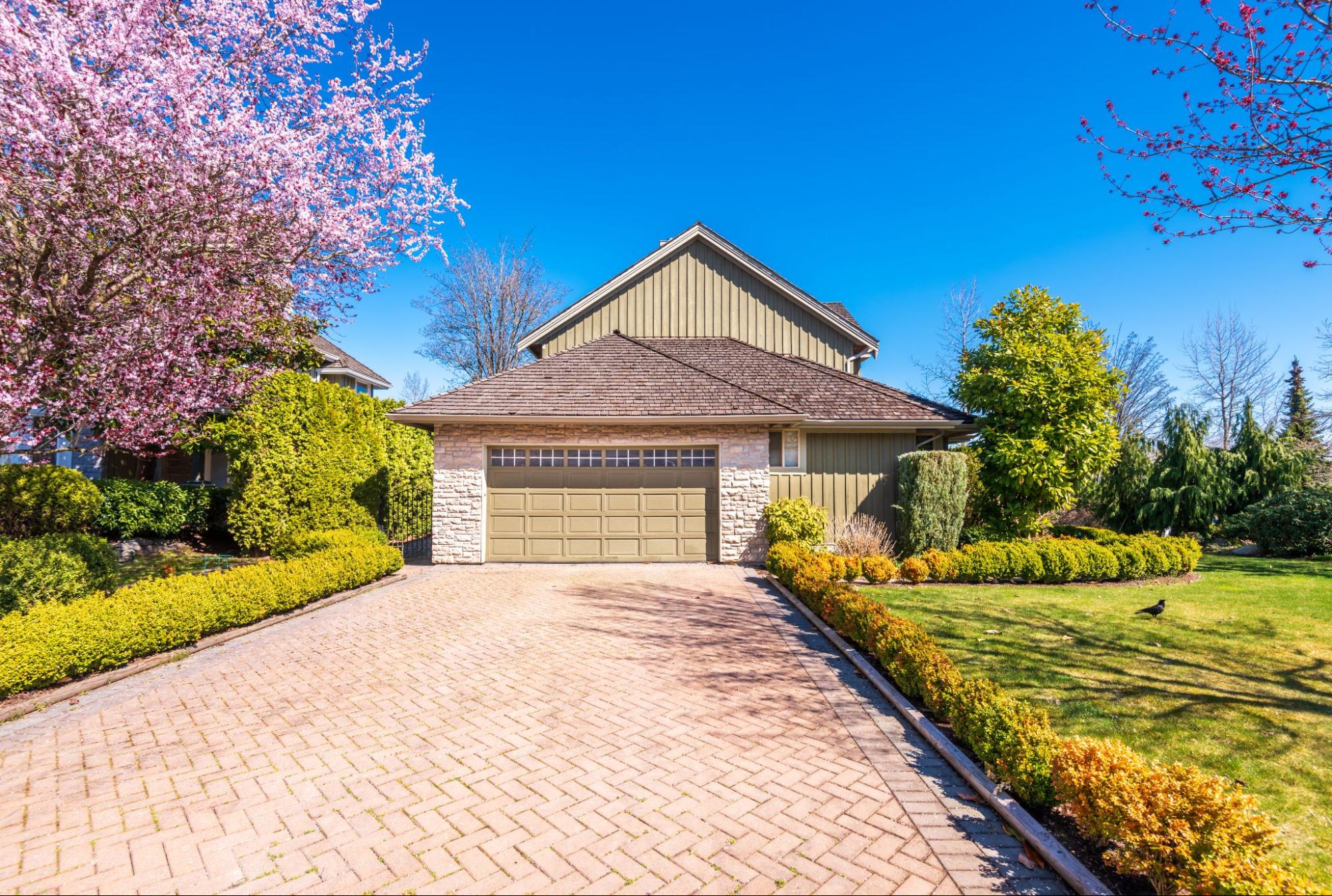
A driveway often shapes how a home feels before anyone steps inside. It carries daily traffic while facing heat, rain, and shifting ground. Many homeowners overlook how material choice affects durability and long-term costs. Poor paving decisions often lead to cracks, drainage issues, and repeated repairs. Smart planning for driveway paving results in surfaces that last and look right.
Paving and driveways are constructed surfaces designed for vehicle and foot traffic. These systems rely on layered construction to support weight and resist weather damage. Each layer works together to prevent shifting, cracking, and water buildup. A clear understanding helps homeowners make informed choices that balance durability and design.
Residential paving work involves creating a stable surface through layered construction that supports weight and resists wear. This process includes preparing the ground, installing a strong base, and adding a finished top layer. This base layer distributes pressure evenly and helps prevent sinking or shifting over time. Proper grading also directs water away from the surface, reducing damage. Each step requires careful execution to maintain long-term durability. Clear planning leads to better performance and fewer long-term issues.
Driveways enhance daily convenience by providing safe, reliable access for vehicles. This surface design influences how water drains away from the home. Poor drainage can weaken the foundation and lead to costly repairs. A smooth driveway also protects tires and reduces vehicle wear. Design choices can improve both safety and curb appeal. A well-built surface supports consistent use without frequent repairs.
Common driveway materials include asphalt, concrete, pavers, and gravel. Each option suits different budgets, climates, and design preferences. Asphalt provides flexibility, while concrete offers strength and a clean finish. Pavers allow custom patterns that enhance visual appeal. Gravel remains a cost-friendly solution for larger areas. This material selection affects maintenance needs and lifespan expectations.
The best driveway material depends on climate, usage, and budget priorities. Each option offers a unique balance between cost, durability, and appearance. Some materials perform better under heavy loads or temperature changes. Careful comparison helps homeowners select a surface that fits long-term needs.
Asphalt provides a smooth and flexible surface that adapts to temperature changes. This material absorbs heat, which helps melt snow in colder conditions. Installation costs tend to be lower than for other materials. However, asphalt requires sealing every few years to maintain strength. Small cracks can form if maintenance gets delayed. This maintenance routine extends the lifespan of the surface and keeps it looking clean.
Concrete offers a strong and durable surface that handles heavy vehicles with ease. This material creates a bright, clean appearance that suits many home styles. It requires less frequent maintenance than asphalt surfaces. However, cracks may appear due to ground movement or temperature shifts. Decorative finishes, such as stamping or staining, add visual detail. This surface option works well for long-term use when properly installed.
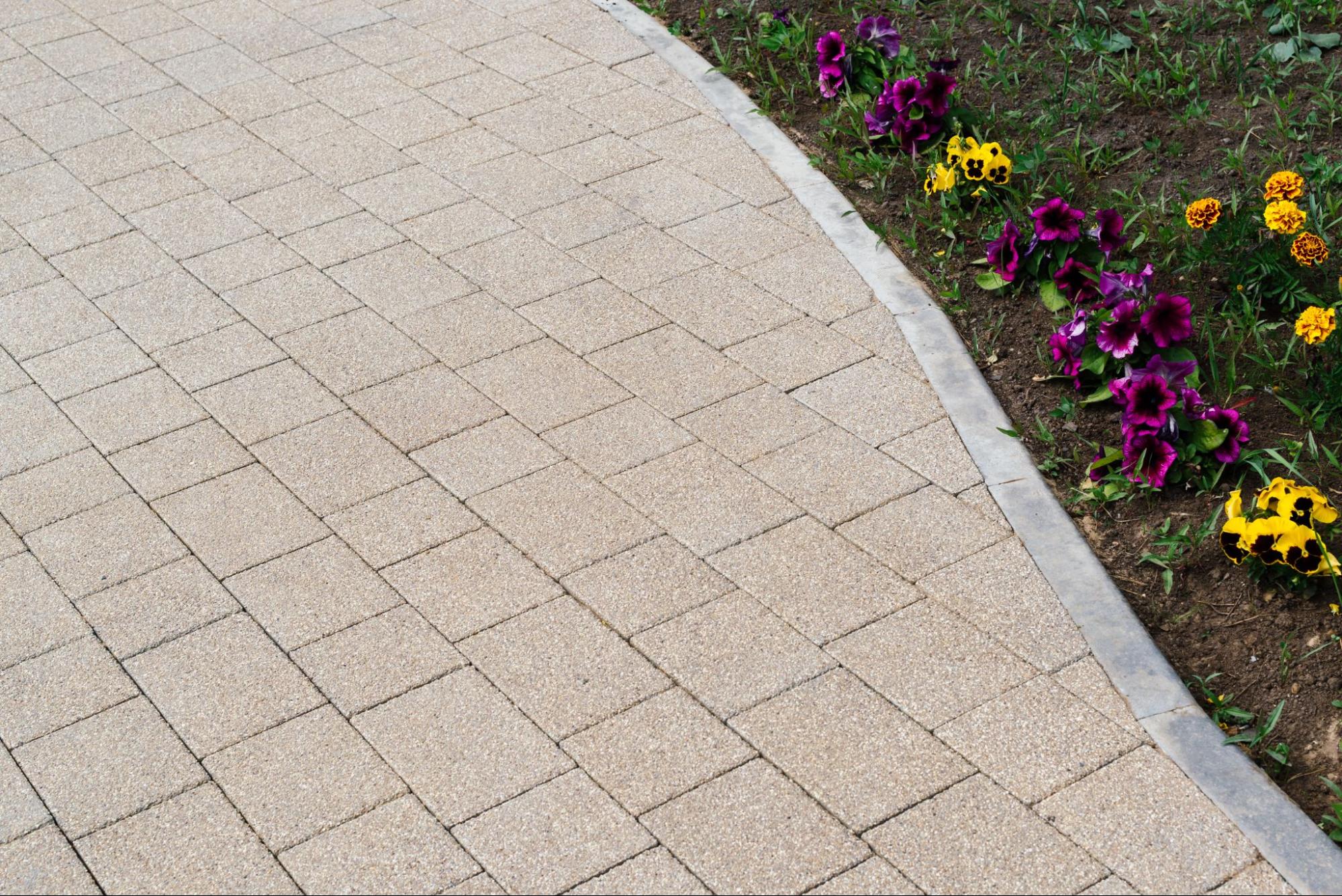
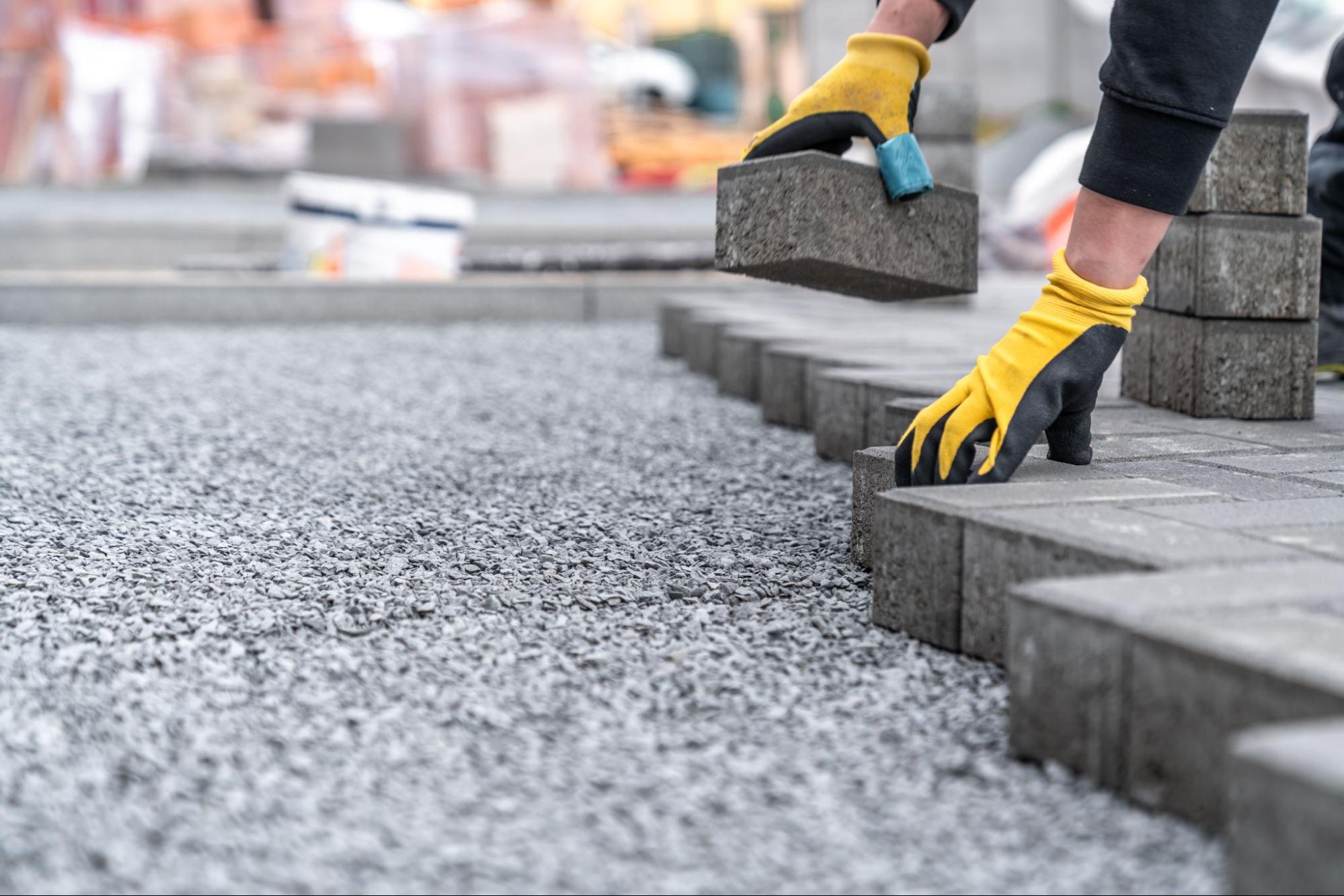
Pavers use individual units arranged in patterns to create a flexible surface. This design allows homeowners to customize colors and layouts. If damage occurs, you can replace individual pavers rather than large sections. This feature lowers repair costs and simplifies maintenance. Pavers resist cracking because they adjust to ground movement. This adaptability makes them a durable and attractive choice.
 Gravel
 Gravel provides an affordable solution for large or rural properties. This material allows water to drain quickly through the surface. Installation involves spreading stones over a prepared base layer. Maintenance includes adding gravel to replace displaced stones. Tire tracks and shifting may occur with frequent use. This option is best for homeowners seeking a simple, budget-conscious solution.
Driveway planning involves evaluating space, budget, and long-term use. A clear plan reduces delays and avoids unexpected expenses during construction. This preparation step also helps align design choices with practical needs. Thoughtful planning leads to a driveway that performs well over time.
Driveway planning starts with understanding how the space will be used daily. This evaluation includes the number of vehicles and required turning areas. Measuring the available space helps prevent design limitations later. Slope and grading affect how water drains from the surface. These factors influence both material choice and layout design. A well-planned space improves safety and usability.
Budget planning includes costs for materials, labor, and site preparation. This estimate should also account for unexpected factors, such as soil conditions. Comparing contractor quotes helps identify a fair price range. Setting aside extra funds prevents financial strain during the project. Cost differences often reflect material quality and labor expertise. A clear budget supports smoother project execution.
Hiring paving professionals provides access to experience and specialized equipment. This expertise often results in better durability and faster completion times. DIY installation may reduce costs but requires technical knowledge. Mistakes in base preparation can lead to early damage. Contractors follow industry standards based on construction best practices. This professional approach improves long-term performance and reliability.
Soil conditions directly affect how long paving and driveways last. Many homeowners focus on surface materials but overlook what lies beneath. This foundation layer determines stability, drainage, and resistance to shifting. Understanding soil behavior helps prevent costly structural problems.
Different soil types react differently under pressure and weather changes. Clay soil expands when wet and shrinks when dry, which can cause cracks. Sandy soil drains well but may shift under heavy loads. Loamy soil offers balanced support but still requires proper compaction. This ground composition influences how the base layer performs over time. Contractors often test soil before installation to avoid long-term issues.
Soil compaction reduces air gaps and increases ground stability. This process creates a firm surface that supports the driveway structure. Poor compaction can lead to sinking or uneven surfaces. Heavy equipment is used to achieve proper density during preparation. This step prevents future movement caused by weight and moisture. A well-compacted base improves overall durability.
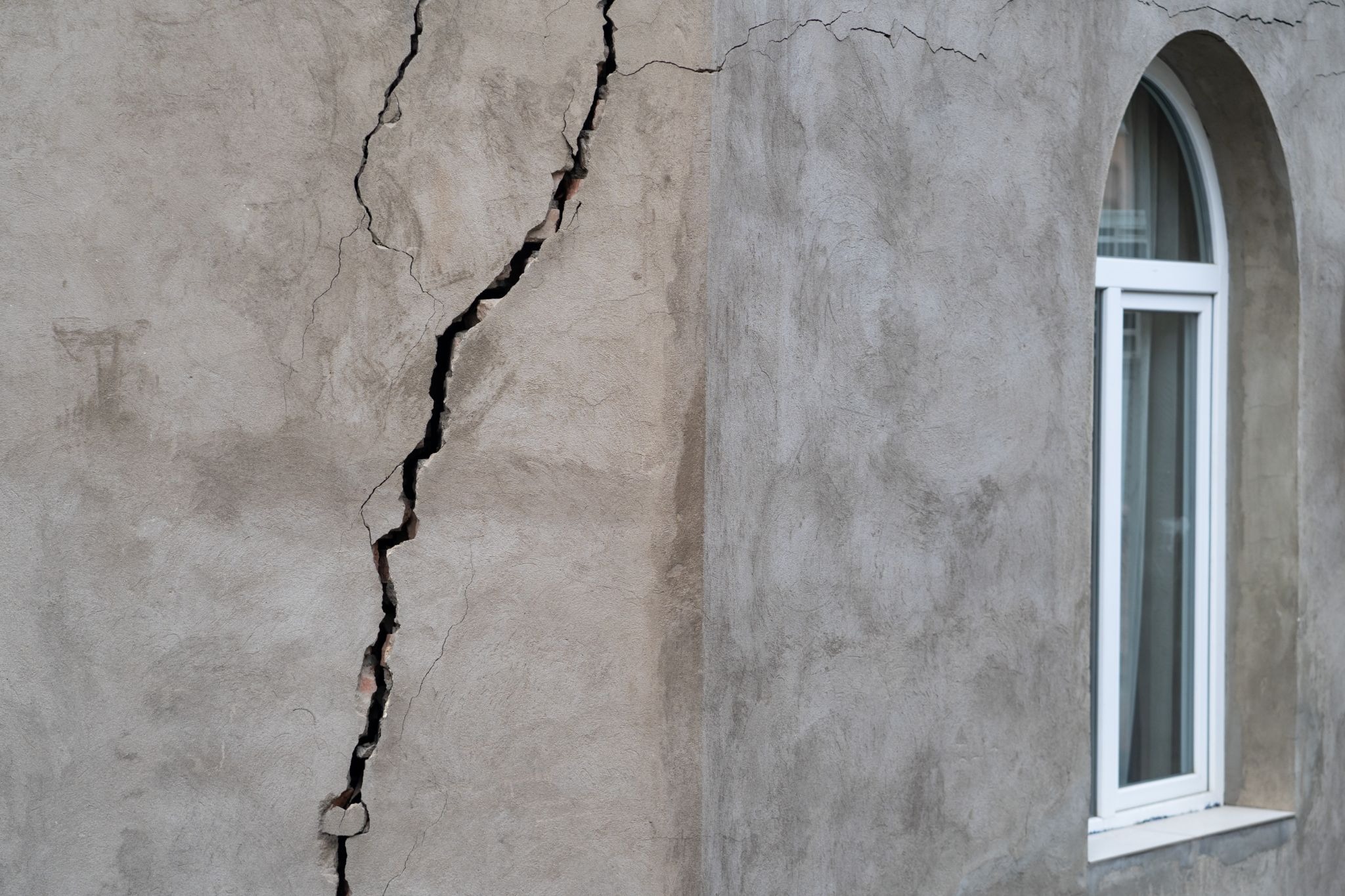
Soil-related problems often appear as uneven surfaces or recurring cracks. These issues may worsen after heavy rain or seasonal changes. Water pooling can indicate poor soil drainage beneath the surface. This condition weakens the driveway foundation over time. Addressing soil issues requires more than surface repairs. Proper correction often involves rebuilding the base layer.
Driveway installation involves preparing the site, building a base, and adding a surface layer. Each step supports the structure and prevents future damage. This process requires precision to achieve a smooth and durable finish. Understanding these steps helps homeowners monitor project quality.
Site preparation begins by clearing debris and leveling the ground. This step creates a stable surface for construction. Proper grading directs water away from the driveway and home. Soil conditions may require reinforcement before adding materials. This groundwork prevents shifting and structural issues. A solid start supports long-term durability.
The base layer uses compacted gravel or crushed stone to support weight. This layer spreads pressure evenly across the driveway surface. Compaction reduces the risk of sinking under heavy loads. A thicker base improves durability and stability over time. Contractors use specialized equipment to achieve proper density. This foundation forms the backbone of the driveway.
The surface layer depends on the chosen material, such as asphalt or concrete. This layer must be installed evenly to prevent weak spots. Pavers require careful placement to maintain consistent patterns. Proper finishing improves both appearance and strength. This final step also includes sealing or curing when needed. A well-installed surface supports daily use without issues.
Driveway costs depend on materials, labor, and project complexity. Each factor influences the total investment required. This understanding helps homeowners plan effectively. Smart budgeting leads to better long-term value.
Material costs vary based on type and quality. This factor includes asphalt, concrete, or pavers. Labor costs depend on project size and difficulty. Skilled contractors may charge higher rates for quality work. This investment often leads to better durability. Comparing options helps find the right balance.
Some materials cost more upfront but last longer. This durability reduces maintenance and repair expenses over time. Investing in quality materials improves overall value. Homeowners benefit from fewer replacements and repairs. This long-term view supports smarter decisions. Durable driveways provide better returns.
Hidden costs may arise during installation or preparation. This expense includes soil repairs or drainage improvements. Permit fees can also add to the total cost. Unexpected issues may increase project expenses. This awareness helps homeowners prepare financially. A detailed estimate reduces surprises.
Load capacity is the maximum weight a driveway can withstand without damage. Many homeowners underestimate how vehicle weight affects surface performance. This factor becomes more important for households with trucks or multiple cars. Proper design prevents premature wear and structural failure.
Driveways must support both daily traffic and occasional heavy loads. This requirement includes delivery trucks or service vehicles. Materials and base thickness affect the surface’s load capacity. Thin bases may fail under repeated pressure. This limitation leads to cracks and depressions over time. Designing for expected loads improves durability.
Base thickness plays a key role in supporting heavy vehicles. A thicker base distributes weight more evenly across the surface. This structure reduces stress on the top layer. Insufficient thickness can lead to sinking or cracking. Contractors adjust base depth based on soil and usage. This approach improves long-term performance.
Reinforcement may be necessary for driveways exposed to heavy or frequent use. This upgrade can include thicker bases or stronger materials. Concrete may include rebar or mesh for added strength. This reinforcement helps prevent structural failure. Identifying the need early reduces repair costs later. A reinforced driveway handles demanding conditions more effectively.
A worn driveway can quietly affect both safety and the overall look of your home. Small cracks and uneven areas often signal deeper issues that need attention. Investing in refreshed driveway paving improves durability while reducing long-term maintenance concerns. A well-updated surface also enhances curb appeal and supports daily use with greater reliability. Review your current driveway condition and plan improvements that align with your property’s needs.
Explore more practical insights and expert tips on paving and driveways at the Onyx Home Improvements blog and plan your next upgrade with confidence.