The Importance of Professional Foundation Crack Repair


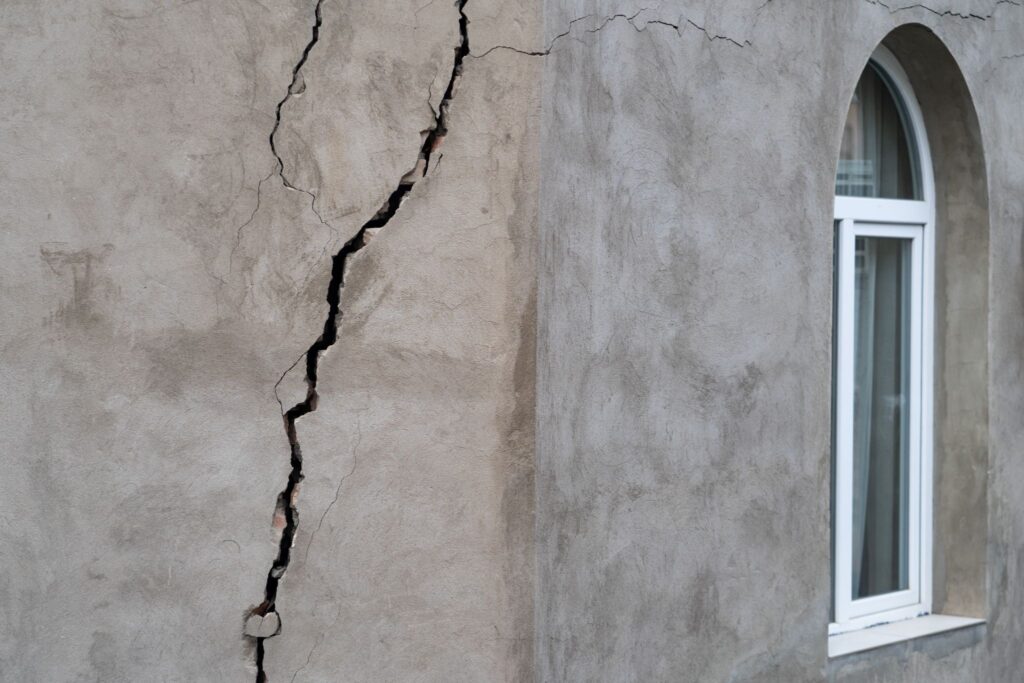
Cracks in your home’s foundation often start small and seem easy to dismiss. Many homeowners assume these lines are cosmetic and harmless at first glance. Over time, those cracks can widen and allow water or shifting pressure inside. Small changes in structure can quietly affect floors, walls, and overall stability. Professional foundation crack repair protects your home from damage that often grows beneath the surface.
Professional foundation crack repair addresses both visible damage and the underlying structural causes that create those cracks. Surface-level fixes may temporarily hide the problem, but they rarely stop ongoing movement or pressure beneath the home. Small cracks can expand over time, leading to wall shifting, uneven floors, and increased safety concerns. Repair costs often rise as damage spreads to other parts of the structure, making timely professional work more practical. DIY solutions, such as sealants or patch kits, often fail because they do not resolve soil movement or moisture imbalance. Trained specialists use appropriate tools and methods to accurately diagnose the issue and apply lasting solutions that protect the home’s stability.
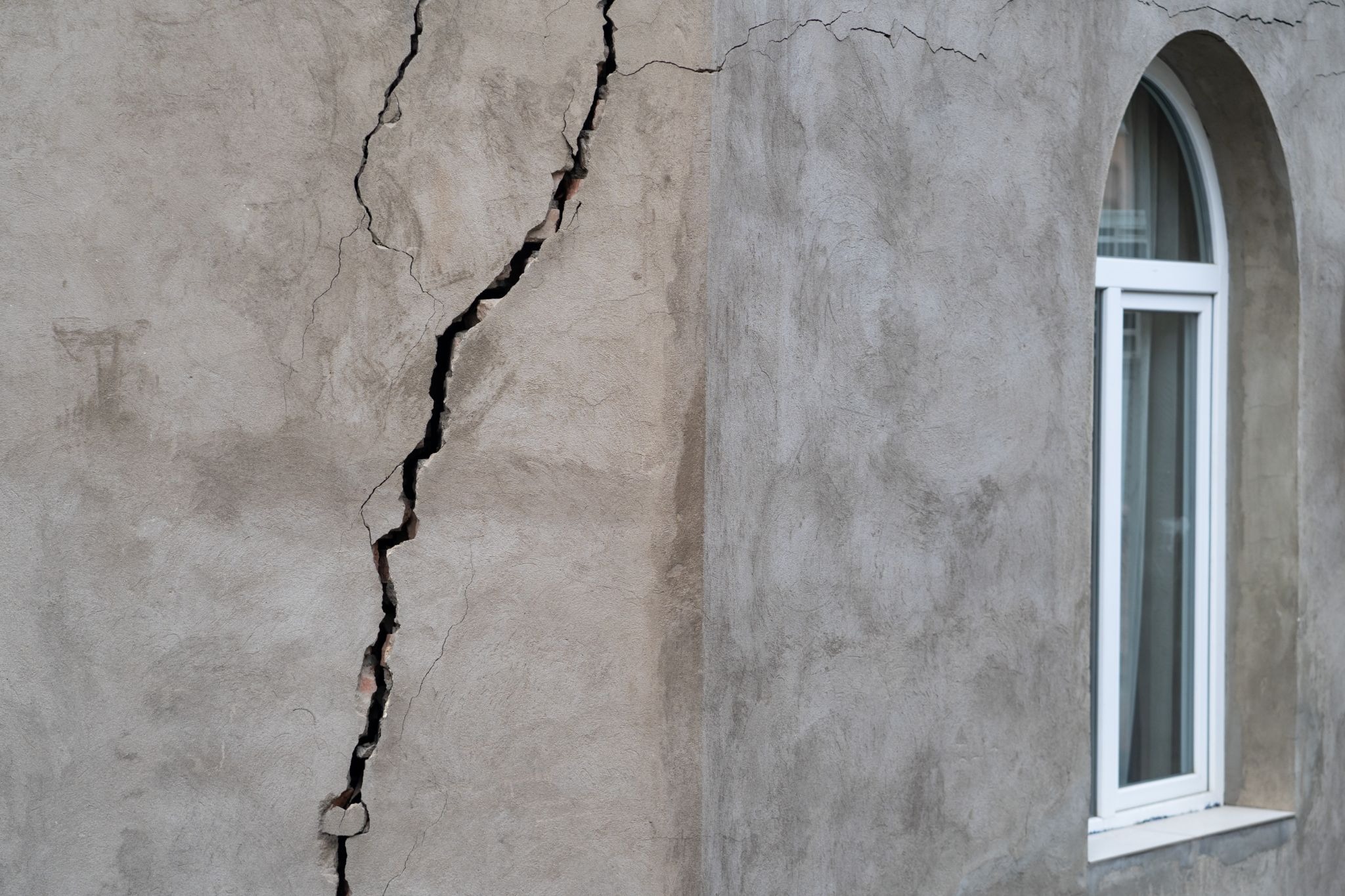
Foundation cracks reflect stress within the structure and in the surrounding soil. These structural changes often result from shifting ground, moisture imbalance, or long-term settling. Homeowners should treat visible cracks as early indicators of deeper issues. Understanding what these cracks reveal helps guide timely and effective repair decisions.
Foundation cracks vary in shape and direction, and each type signals a different concern. Vertical cracks often appear during natural settling and may seem minor at first glance. Horizontal cracks usually indicate soil pressure pushing against foundation walls. Diagonal cracks can point to uneven settling beneath the structure, which may lead to further imbalance. Each crack type provides insight into how the foundation responds to external forces. Professional evaluation helps determine the exact cause and the correct repair approach.
Foundation problems rarely appear as cracks alone, as other signs often develop alongside them. Doors and windows that stick may suggest the structure has shifted slightly. Uneven floors can signal changes in the support beneath your home. Gaps between walls and ceilings may also reflect movement within the foundation. Moisture stains or damp odors often indicate water intrusion through hidden cracks. Paying attention to these warning signs helps prevent further structural decline.
Soil conditions directly influence how a foundation performs over time. Expansive soil swells when wet and shrinks during dry periods, creating constant pressure. This soil movement puts stress on foundation walls, leading to cracking. Poor drainage systems can worsen the problem by allowing water to collect near the structure. Excess moisture weakens soil stability and increases the risk of structural shifting. Managing soil and water flow helps reduce long-term foundation stress.
Landscaping choices directly influence foundation health by controlling soil and moisture. Plants, trees, and irrigation systems can affect how soil behaves around the structure. These environmental factors often create pressure or instability beneath the home. Understanding these connections helps homeowners make better outdoor decisions.
Tree roots can extend far beyond their visible canopy and affect foundation stability. Large trees absorb moisture from the soil, which can cause uneven drying. This soil shrinkage may lead to gaps beneath parts of the foundation. Over time, this imbalance creates stress and potential cracking. Removing or managing large trees near the home can reduce this risk. Professional advice helps determine safe planting distances and maintenance strategies.
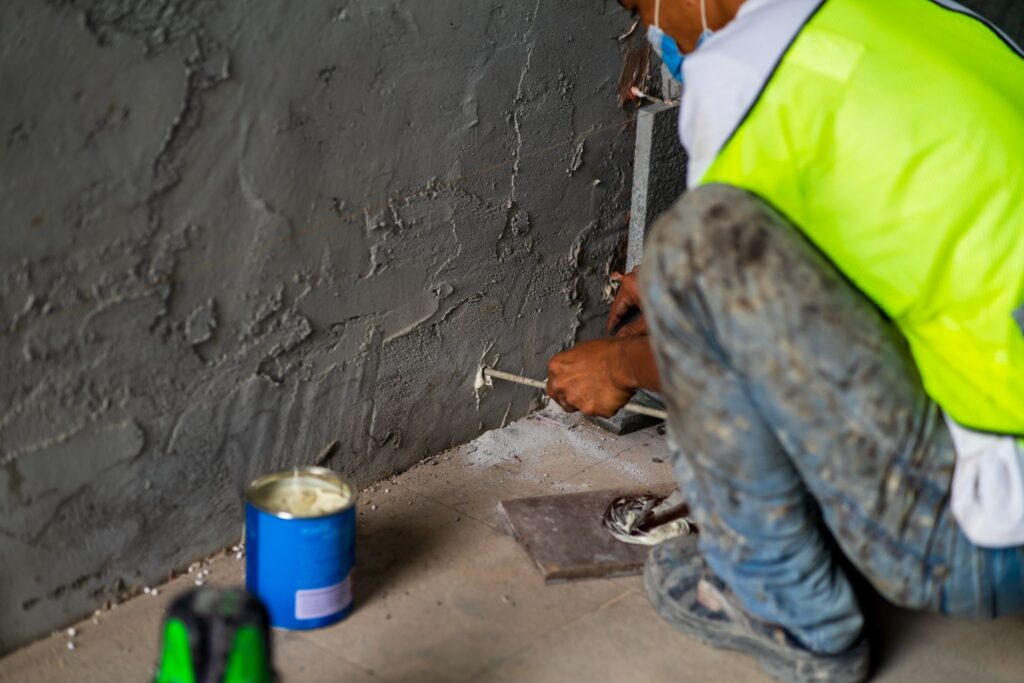
Irrigation systems can introduce excess moisture if not properly managed. Frequent watering near the foundation increases soil expansion and increases pressure on the foundation. Poor drainage can also allow water to collect around the base of the home. This condition raises the risk of cracks and water intrusion. Adjusting sprinkler placement helps direct water away from the structure. Proper drainage design supports long-term foundation stability.
Landscaping choices directly influence foundation health by controlling soil and moisture. Plants, trees, and irrigation systems can affect how soil behaves around the structure. These environmental factors often create pressure or instability beneath the home. Understanding these connections helps homeowners make better outdoor decisions.
Tree roots can extend far beyond their visible canopy and affect foundation stability. Large trees absorb moisture from the soil, which can cause uneven drying. This soil shrinkage may lead to gaps beneath parts of the foundation. Over time, this imbalance creates stress and potential cracking. Removing or managing large trees near the home can reduce this risk. Professional advice helps determine safe planting distances and maintenance strategies.
Irrigation systems can introduce excess moisture if not properly managed. Frequent watering near the foundation increases soil expansion and increases pressure on the foundation. Poor drainage can also allow water to collect around the base of the home. This condition raises the risk of cracks and water intrusion. Adjusting sprinkler placement helps direct water away from the structure. Proper drainage design supports long-term foundation stability.
Professional repair follows a structured process that begins with careful inspection. Experts identify the root cause before recommending a solution. This approach helps prevent recurring issues and strengthens the structure. Each repair method targets specific types of cracks and conditions.
Professional inspections involve a detailed review of both interior and exterior areas. Experts examine crack patterns, wall alignment, and floor levels. Specialized tools help measure movement and detect hidden structural concerns. Soil conditions and drainage systems are also assessed during this process. This evaluation provides a clear understanding of the foundation’s condition. Accurate diagnosis enables more effective, lasting repairs.
Foundation crack repair methods vary depending on the type and severity of damage. Epoxy injections bond concrete and restore structural strength in narrow cracks. Polyurethane foam expands to seal gaps and prevent water intrusion. For deeper structural issues, contractors may install piering systems to stabilize the foundation. Each method addresses a specific problem and supports long-term durability. Professional selection of techniques helps maintain structural integrity.
Post-repair care helps maintain the effectiveness of foundation crack repair. Contractors often recommend improving drainage around the home. Installing gutters or extending downspouts helps redirect water away from the foundation. Soil grading adjustments can reduce pressure on foundation walls. Regular inspections allow homeowners to monitor any changes over time. These preventive measures support lasting structural stability.
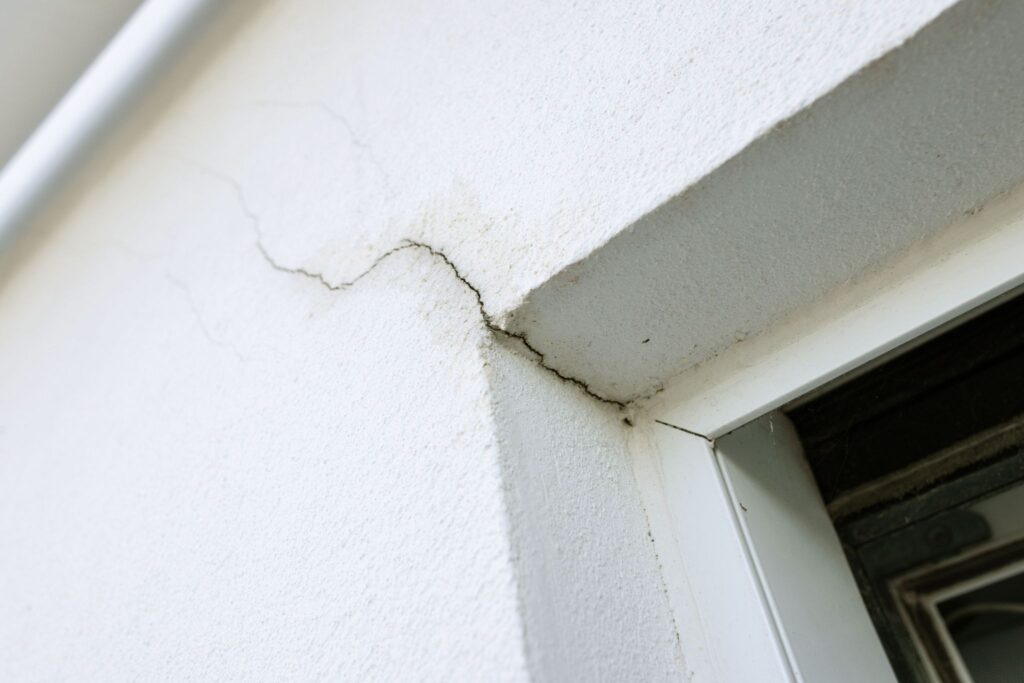
Foundation crack repair strengthens the home and protects its long-term condition. Addressing structural issues helps prevent further deterioration and costly damage. Homeowners also benefit from improved safety and comfort. Taking action supports both the structure and the overall living environment.
Foundation condition directly affects property value and buyer confidence. Visible cracks often raise concerns during inspections and appraisals. Repairing these issues helps maintain the home’s market appeal. A stable foundation supports the entire structure and prevents further damage. Buyers feel more confident when structural issues have been properly addressed. This repair process helps preserve long-term investment value.
Foundation issues can create unsafe conditions within the home over time. Uneven floors and shifting walls may increase the risk of accidents. Repairing cracks restores balance and structural support. This stability improves comfort and daily living conditions. Eliminating structural movement also reduces stress on other parts of the home. A secure foundation supports a safer living environment.
Foundation cracks often allow water to enter the home during heavy rainfall. Moisture buildup creates conditions that allow mold to develop and spread. This problem can affect indoor air quality and long-term health. Professional repairs seal cracks and block water entry points. Improved drainage systems help keep the foundation dry. These solutions support a healthier indoor environment.
Seasonal changes affect how foundations respond to shifting soil conditions. Temperature and moisture variations influence expansion and contraction cycles. These natural patterns can cause visible changes in cracks throughout the year. Understanding these cycles helps homeowners interpret what they see.
Soil reacts differently depending on weather conditions and climate patterns. Wet seasons cause soil to expand as it absorbs moisture. Dry periods lead to soil shrinkage, which can reduce support beneath the foundation. This repeated cycle creates stress on the structure over time. Homeowners may notice cracks widen during dry conditions and stabilize when moisture returns. Recognizing this pattern helps explain changes without immediate concern.
Seasonal movement often produces predictable and limited changes in foundation cracks. These shifts tend to follow weather cycles and remain consistent over time. Structural issues, however, continue to progress without stabilizing. This difference helps homeowners distinguish between normal behavior and potential problems. Sudden or uneven changes may require professional evaluation. Understanding this distinction supports better decision-making and timely action.
Seasonal maintenance helps minimize the impact of soil movement on your foundation. Homeowners can adjust watering habits to maintain consistent soil moisture year-round. During dry periods, light and controlled watering prevents excessive soil shrinkage. In wetter seasons, proper drainage helps avoid water buildup near the structure. Cleaning gutters and extending downspouts also reduces excess moisture around the foundation. These small adjustments help stabilize soil conditions and reduce stress on the repaired structure.
Foundation cracks rarely remain unchanged, and delays often allow deeper structural strain to develop. What begins as a minor issue can lead to shifting floors, wall stress, and rising repair costs. Professional foundation crack repair provides a reliable way to address the source of the cracks and reinforce your home’s structure. Working with a trusted masonry company brings skilled assessment and proven repair methods that address both visible and hidden damage. Choosing expert repair now supports lasting stability and protects the home you depend on every day.
Looking for practical insights that go beyond surface fixes? Visit the Onyx Home Improvements blog for clear guidance on foundation care and long-term home stability.