Are Stone Stairs Cheaper Than Concrete?


When planning an outdoor improvement project, cost is often one of the first questions that comes up. Homeowners comparing materials for steps, walkways, patios, or entry features usually want to know which option gives them the best balance of price, durability, and appearance. That is why many people ask whether stone stairs are cheaper than concrete. The answer is not always simple, because the final cost depends on more than the material alone.
Stone stairs and concrete stairs can both work beautifully in residential landscapes, but they differ in installation methods, labor needs, maintenance expectations, and long-term value. In some cases, concrete may cost less upfront. In other situations, stone may make more sense because of its appearance, lifespan, or the way it fits the property. Understanding the differences between the two helps homeowners make a more informed decision before starting a project.
It is easy to compare two materials by looking only at the initial price, but stairs involve more than surface cost. The total expense of a stair project includes site preparation, excavation, grading, base work, drainage, labor, material delivery, and finishing details. A homeowner may assume one option is automatically cheaper, only to learn that the layout of the yard or the complexity of the installation changes the total cost significantly.
This is especially true for outdoor stairs because they need to be safe, stable, and built to handle weather exposure over time. Slope, soil conditions, step width, rise height, and the number of stairs all affect the total price. A straight set of simple steps may be far less expensive than curved or decorative stairs, regardless of whether the material is stone or concrete. That is why the question should not only be which material is cheaper, but which material makes the most sense for the space and budget.
In many residential projects, concrete stairs are the more affordable choice at the beginning. Poured concrete and precast concrete components are often less expensive than natural stone in terms of raw material pricing. Concrete can also be shaped to fit a range of step sizes and layouts without requiring individual stones to be selected and placed by hand. For homeowners focused mainly on keeping initial construction costs down, this can make concrete an appealing option.
Concrete stairs can also be a practical choice for projects that need a clean, straightforward appearance. They work well in many front entry areas, side yard access points, and backyard transitions where a simple design is enough. If the installation is relatively standard and the site does not present major complications, concrete may offer a cost-efficient way to build durable exterior steps without the higher material price often associated with natural stone.
Stone stairs are often more expensive upfront because natural stone tends to cost more than standard concrete materials. The price can vary based on the type of stone chosen, the size and thickness of the pieces, and whether the material is locally available or must be shipped from farther away. Natural stone also tends to involve more detailed labor, which adds to the overall project cost.
That higher starting price is one reason some homeowners hesitate when comparing estimates. However, stone stairs are often selected because they offer a premium look that is difficult to duplicate with other materials. They can bring texture, visual depth, and a more custom appearance to a landscape. For homeowners who want their stairs to feel like a standout design feature rather than just a functional access point, the extra cost may feel worthwhile.
Material pricing is only one part of the equation. Labor often plays a major role in determining whether stone stairs or concrete stairs are cheaper in a real project. Concrete can sometimes be installed more quickly, especially if the design is straightforward and the crew is experienced with formwork and finishing. Faster installation often means lower labor costs, which can help keep the total project budget under control.
Stone stairs usually require more hands-on craftsmanship. Individual stones may need to be cut, leveled, adjusted, and carefully placed to create a safe and attractive final result. This process takes more time and skill, especially when working with irregular natural stone. Because of that, labor costs for stone stairs are often higher than for concrete. In some cases, that difference becomes just as significant as the material cost itself.
Labor pricing can rise for both stone and concrete stairs when the job site is difficult or the design is more involved.
If crews have a hard time moving materials or equipment into the yard, installation usually becomes more time-consuming. Limited access often increases labor regardless of the material.
Custom shapes, landings, and decorative details can make both concrete and stone stairs more expensive. Simpler layouts are usually more budget-friendly.
If the ground needs significant grading or reinforcement before installation begins, that work adds to the final project cost.
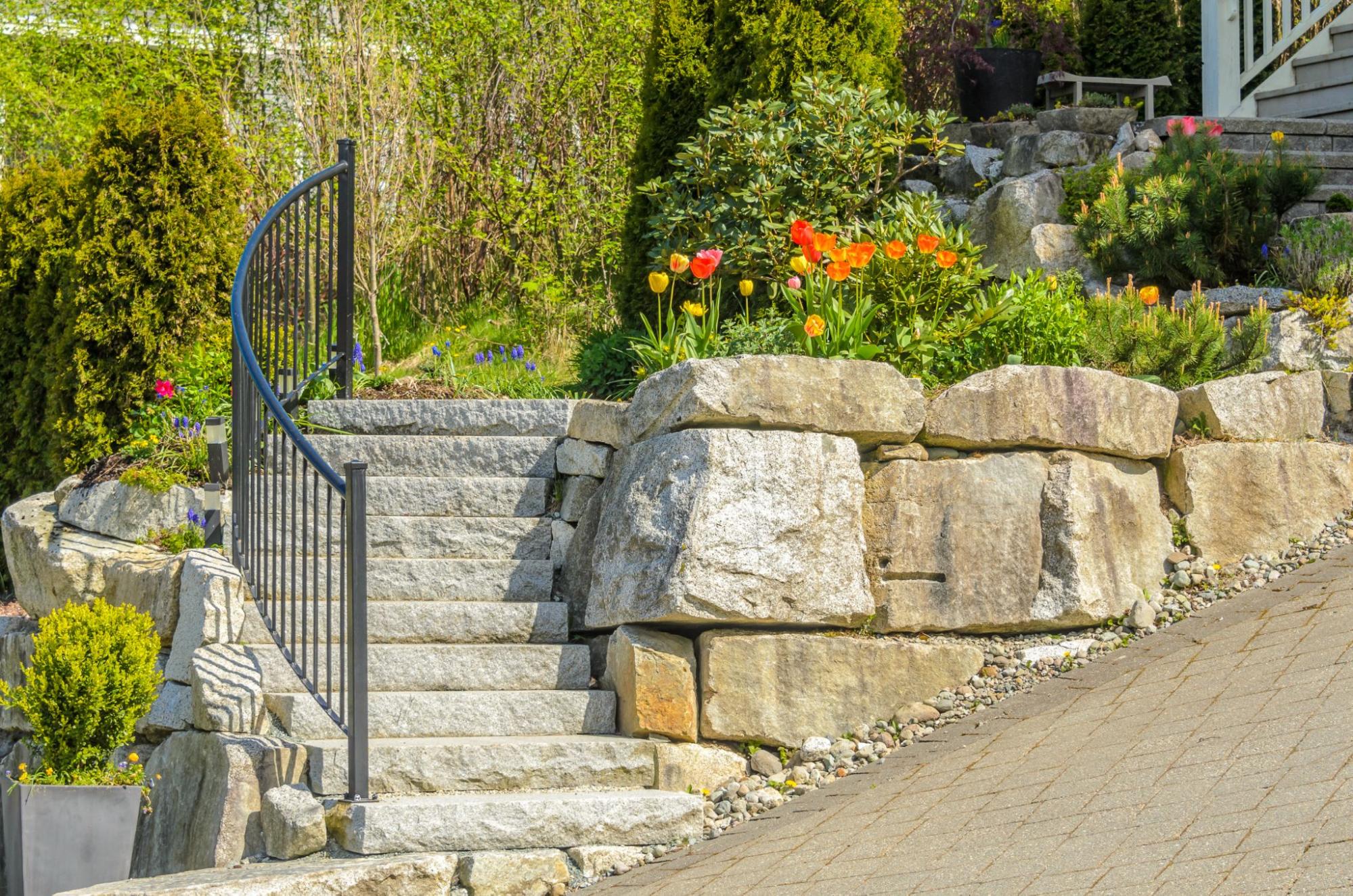
Although stone stairs often cost more, many homeowners choose them because of the visual impact they add to a property. Natural stone has variation in color, texture, and shape that gives outdoor spaces a more elevated and organic look. It often blends beautifully with gardens, retaining walls, patios, and natural landscape features. For homes with a more rustic, classic, or high-end exterior style, stone stairs can feel like a natural fit.
This design value matters because outdoor improvements are not judged by cost alone. A project that looks more polished and complements the home may feel like a better investment even if it costs more at the start. Stone stairs often create a custom appearance that makes the entry or landscape feel more intentional. For homeowners who care deeply about curb appeal and long-term appearance, stone may provide benefits that go beyond the budget comparison.
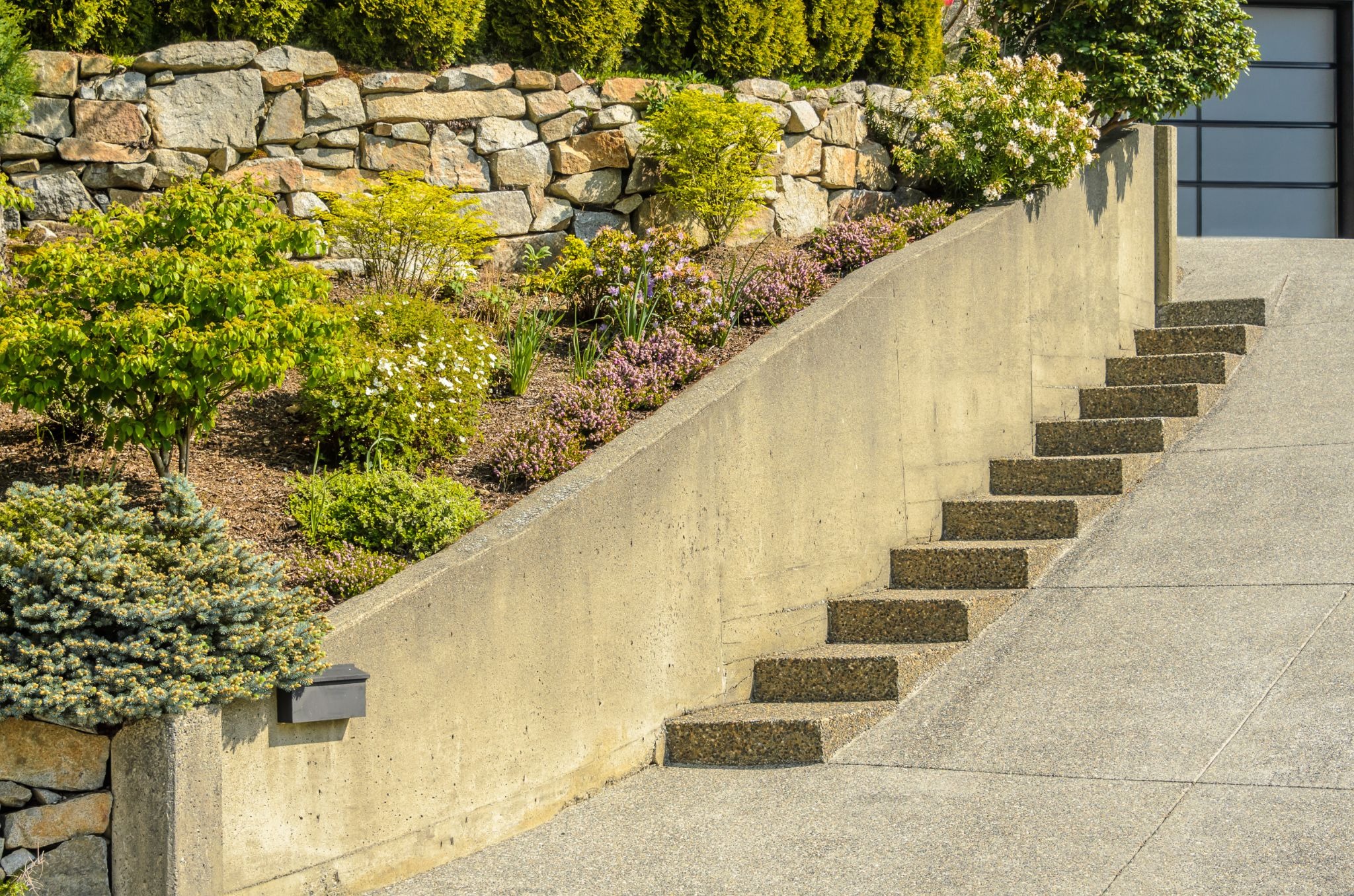
Concrete is often viewed as the plain or purely practical option, but it can be finished in different ways to create a more attractive appearance. Stamped concrete, colored finishes, exposed aggregate, and decorative edging can all change the look of concrete stairs. These options may still cost less than natural stone while giving homeowners more design flexibility than a basic gray finish.
That said, upgraded concrete finishes can raise the price. Once decorative treatments are added, the cost gap between concrete and stone may narrow. A homeowner who starts with concrete because it seems cheaper may find that the total climbs once appearance upgrades are included. Even so, concrete remains a versatile option for many residential projects, especially when the goal is to achieve a balance between cost, function, and style.
The cheaper option at installation does not always remain the cheaper option over time. Maintenance needs can influence the true long-term cost of both stone stairs and concrete stairs. Concrete may develop cracks over the years due to settling, temperature changes, moisture exposure, or ground movement. While not every crack is serious, repairs and surface wear can affect both function and appearance.
Stone stairs may also need maintenance, but natural stone often holds its appearance well over time when installed properly. Individual stones can sometimes be reset or replaced without removing the entire stair structure, depending on how the stairs were built. The long-term upkeep of either material depends heavily on site preparation, drainage, and installation quality. Homeowners should think about future repairs and maintenance needs, not just the initial quote.
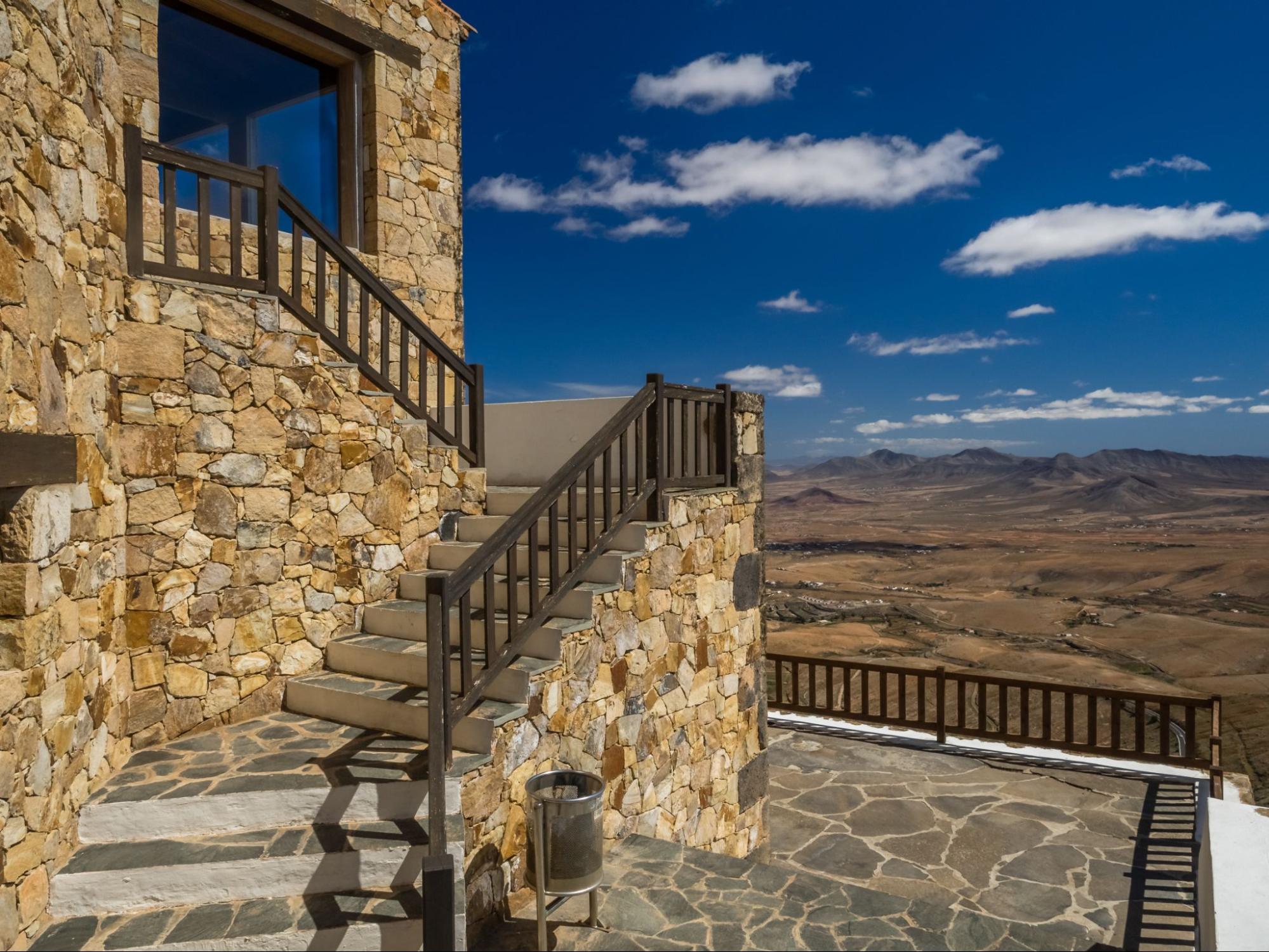
Both stone and concrete can be durable, but neither performs well if the installation is rushed or poorly planned. Outdoor stairs deal with constant exposure to foot traffic, rain, temperature changes, and natural settling. Without proper base preparation and drainage, both materials can shift, crack, or become uneven over time. This is why installation quality matters just as much as the material choice.
A well-built concrete stair system may last for many years with minimal issues. A properly installed stone staircase can also provide long-lasting strength while maintaining a timeless appearance. Problems often happen when corners are cut beneath the surface. The cheapest estimate is not always the best value if it leaves out important structural details. For homeowners, true affordability should include durability and performance, not just the lowest upfront number.
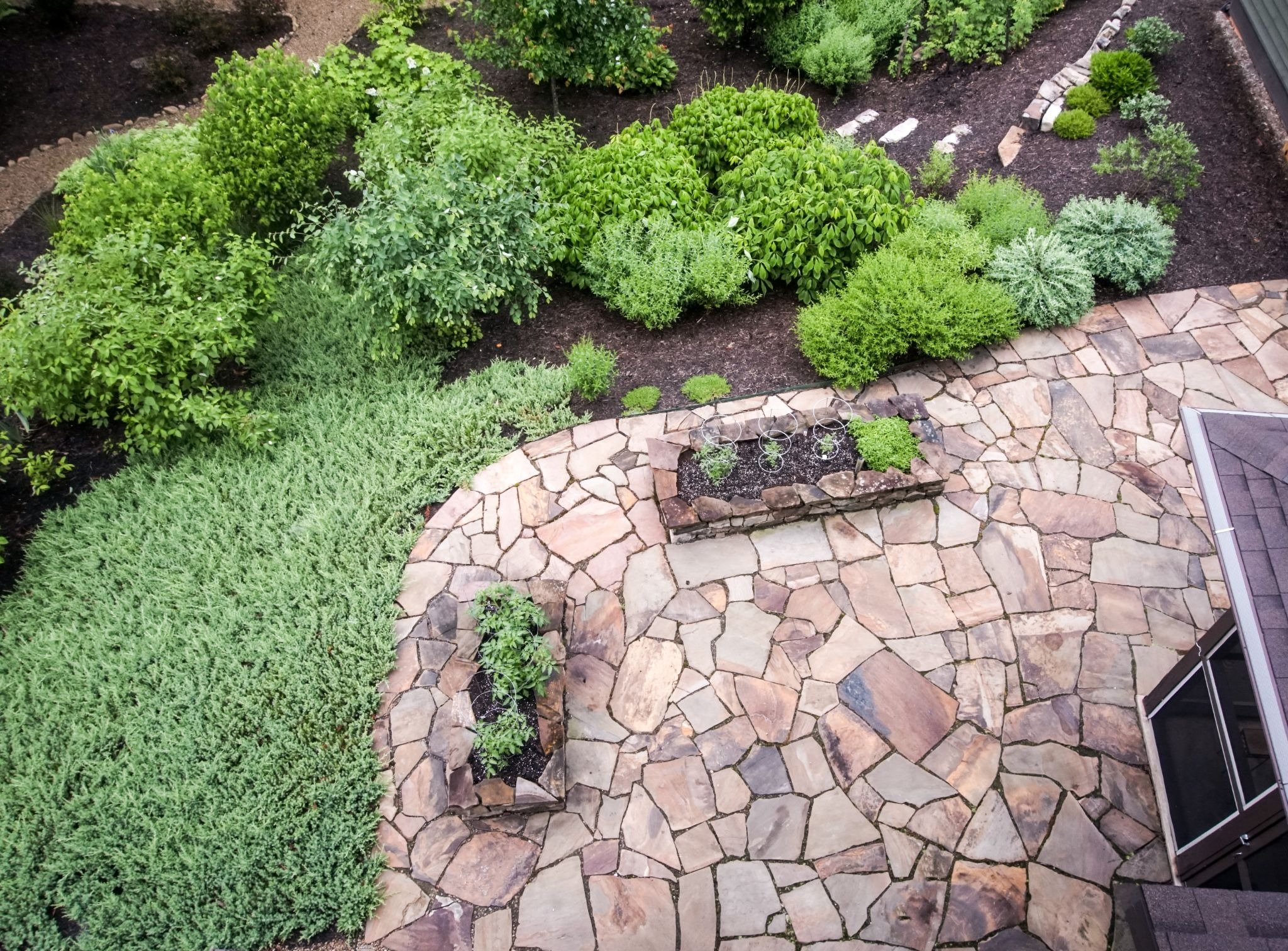
The area where the stairs will be installed can influence which material feels more cost-effective. Front entry stairs often need to look polished and match the architectural style of the home, which can make stone more appealing. Backyard garden stairs or transitions between landscape levels may also benefit from the natural appearance of stone, especially if the surrounding design includes pavers, retaining walls, or planting beds.
Concrete may be the better fit in areas where function matters more than visual impact. Side yard access stairs, utility pathways, or straightforward entry points may not require the upgraded appearance of natural stone. In those spaces, concrete can deliver the performance homeowners need at a lower price. Thinking about how visible the stairs are and how important their appearance is can help guide the decision.
It is tempting to focus only on which estimate is lower, but the better question is which option offers the strongest value for the project. Value includes appearance, durability, maintenance, safety, and how well the stairs fit the home. A lower-cost material may still feel like the wrong choice if it does not match the style of the property or requires more repairs later. A more expensive material may prove worthwhile if it improves the overall look and lasts well over time.
This is why side-by-side comparisons are so useful during the planning stage. Looking at the full scope of the project helps homeowners understand what is actually included in the price. One quote may cover better base preparation, drainage support, or finishing details that another does not. Comparing value rather than just the number on the estimate leads to smarter decisions and better long-term satisfaction.
In most cases, stone stairs are not cheaper than concrete when looking at the upfront installation cost. Concrete is usually the more budget-friendly option in terms of both material and labor, especially for straightforward residential stair projects. That makes it a practical choice for homeowners who want durability and function while keeping initial costs more manageable.
However, the full answer depends on the goals of the project. Stone stairs may cost more at the beginning, but they often provide a more upscale appearance and strong long-term visual appeal. For some homeowners, that added character and design value makes the extra expense worth it. The best choice comes down to budget, style preferences, site conditions, and how important long-term appearance is to the overall project.
When deciding between stone stairs and concrete, homeowners should look beyond the question of which material is cheapest. Cost matters, but so do design goals, maintenance expectations, installation conditions, and the overall look of the finished project. Concrete often wins on upfront affordability, while stone stands out for appearance and custom appeal. Both can be excellent options when chosen for the right reasons.
The smartest approach is to evaluate the needs of the space and the priorities of the project before making a decision. Outdoor stairs should be safe, durable, and well-suited to the home they serve. When the material, layout, and construction method all align, the result is an investment that adds both function and lasting value to the property.
Visit our Onyx Home Improvement LLC blog to learn more about patio design, chimney repair, and more!