
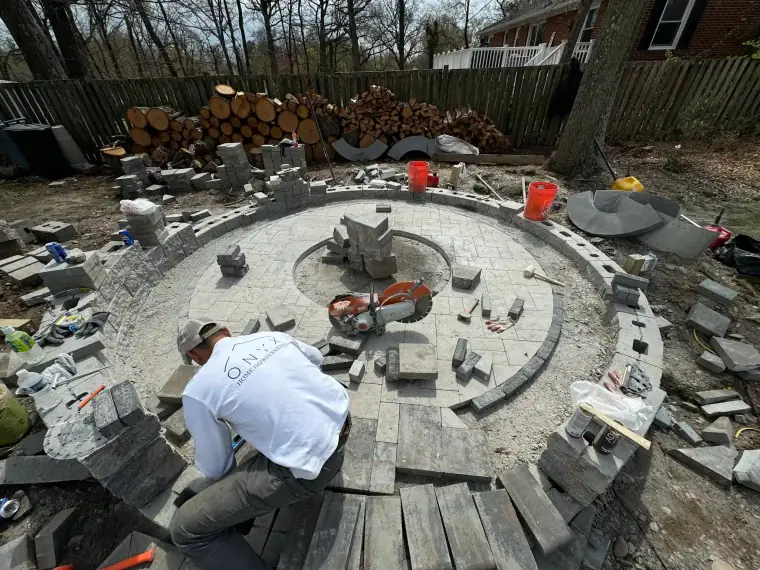
Outdoor fireplace vs fire pit is a common question for homeowners who want to make better use of their outdoor space. Both options can add warmth and create a comfortable place for family and friends to gather. However, they offer different layouts, features, maintenance needs, and levels of privacy. Understanding these differences can help you choose the right option for your backyard living plans.
The right choice depends on how you plan to use the space, how much room you have, and the type of outdoor setting you want to create. Outdoor Fireplaces can provide a defined focal point with a more structured seating area, while a fire pit can create a relaxed space where guests sit around the fire. Looking at factors such as installation, maintenance, safety, and overall design can help you choose the option that fits your backyard best.
Key Takeaways
An outdoor fireplace and a fire pit can both improve an outdoor space, but they serve different needs. A fireplace provides a more defined gathering area and directs heat outward. A fire pit creates a more open seating arrangement and often works well for casual gatherings.
Outdoor fireplaces create a defined focal point.
Fire pits offer seating around the fire.
Both options need a safe location and proper installation.
Local fire and building rules should be checked before construction.
The best choice depends on space, use, maintenance, and budget.
Professional planning can help prevent placement and drainage problems.
What Is the Difference Between an Outdoor Fireplace and a Fire Pit?
The main difference between an outdoor fireplace and a fire pit is their design. An outdoor fireplace has a vertical structure with an opening where the fire burns. A fire pit is usually a lower, open structure that allows people to sit around the fire.
This difference affects how heat moves through the space and how people arrange their seating. A fireplace can create a strong visual focal point, while a fire pit encourages conversation from multiple sides.
Key differences include:
A fireplace directs heat toward the front.
A fire pit provides a 360-degree gathering area.
Fireplaces take up vertical space.
Fire pits usually have a lower profile.
Fireplaces can create a stronger architectural feature.
Fire pits can work well with flexible seating.
The right choice depends on how the space will be used rather than which option looks better in isolation.
How Does an Outdoor Fireplace Work?
An outdoor fireplace is a built structure designed to contain a fire and direct smoke upward through a chimney or flue. It can be built from materials such as brick, stone, or other masonry products suitable for outdoor use.
Because the structure has a defined front and chimney, it can feel more like an extension of the home's architecture. It can also create a strong visual anchor for a patio or outdoor seating area.
An outdoor fireplace may include:
A firebox.
A chimney or flue.
A hearth.
A surrounding masonry structure.
A raised or built-in seating area.
A dedicated patio or gathering space.
The design should account for ventilation, clearances, materials, and local requirements. Proper planning is especially important because an outdoor fireplace is a permanent structure.
What Are the Benefits of an Outdoor Fireplace?
An outdoor fireplace can provide warmth while adding a strong architectural feature to a backyard. It can help define a specific area for seating and may make the outdoor space feel more like an extension of the home. When included as part of a larger home remodeling project, it can also help create a more connected and functional outdoor living area.
The vertical design can also help direct smoke upward when the fireplace is properly designed and built. However, performance depends on the design, chimney height, airflow, fuel, and other factors.
Common benefits include:
A strong visual focal point.
A defined outdoor gathering area.
A more permanent appearance.
Heat directed toward the seating area.
Opportunities for custom masonry finishes.
Integration with patios and other outdoor features.
For homeowners planning larger exterior upgrades, Outdoor Fireplaces can also be incorporated into a broader backyard design rather than treated as a separate feature.
What Are the Benefits of a Fire Pit?
A fire pit offers a different type of outdoor experience. Instead of facing the fire from one direction, people can usually sit around it. This makes a fire pit useful for conversation and casual gatherings.
Fire pits can also come in many designs. Some are built into patios, while others use separate manufactured units. The right option depends on the available space, fuel type, local rules, and the desired look.
A fire pit can offer:
Seating around the fire.
A relaxed social setting.
Flexible outdoor furniture layouts.
A lower visual profile.
Different design and fuel options.
Easy integration with some patio layouts.
However, an open fire requires careful placement. Furniture, plants, structures, and other combustible materials should be kept at appropriate distances based on local requirements and the specific fire feature.
Which Is Better for Backyard Living?
For many homeowners, the choice comes down to how they plan to use the space. A fireplace may work better when the goal is to create a defined outdoor room. A fire pit may be more suitable when conversation and flexible seating are the main priorities.
Think about how people will move through the space and where they will sit. The fire feature should not make the patio feel crowded or block important walking routes.
Consider these questions:
Will people sit mostly in front of the fire?
Do you want seating around the entire fire?
Is the backyard large or compact?
Do you want a permanent masonry feature?
Will the space be used for dining?
How often will the fire feature be used?
The answers can make the choice much easier.
Does a Fire Pit Require Less Space?
A fire pit often has a smaller vertical footprint, but the total space needed can still be significant. People need room to sit safely around the fire and move between seating areas. A small fire pit placed too close to furniture can make the space uncomfortable and unsafe.
An outdoor fireplace also needs surrounding space, including a clear area in front of the opening. In addition, its height and chimney need to be considered during planning.
When planning the layout, allow room for:
Seating.
Walking paths.
Safe clearance around the fire.
Heat and smoke movement.
Maintenance access.
Nearby landscaping.
Good planning matters more than simply choosing the smallest fire feature.
What Should You Consider Before Fire Pit Installation?
Fire pit installation involves more than selecting a fire bowl or building a stone circle. The location, fuel type, surface, drainage, clearances, and local regulations all need to be considered.
A fire pit should sit on a suitable, stable surface. The surrounding area should also be planned so that sparks and heat do not create unnecessary risks.
Before installation, consider:
The size of the fire pit.
The type of fuel.
Seating distance.
Nearby structures.
Trees and landscaping.
Patio materials.
Drainage.
Local fire regulations.
A well-planned installation can also prevent future changes to the patio or landscape.
Which Option Is Easier to Maintain?
Maintenance depends on the specific design and fuel type. Both options need regular cleaning and inspection. Wood-burning features may require ash removal, while gas systems have different maintenance needs.
An outdoor fireplace can have additional masonry and chimney components that require inspection. Cracks, damaged mortar, or water entry should be addressed before they become larger problems.
A basic maintenance routine may include:
Removing ash and debris.
Checking masonry for cracks.
Inspecting surrounding surfaces.
Looking for signs of water damage.
Checking gas components when applicable.
Keeping combustible debris away from the fire area.
Regular maintenance helps preserve both the appearance and function of the feature.
Can an Outdoor Fireplace Increase the Value of a Home?
An outdoor fireplace can improve the appearance and usability of a backyard, but there is no guarantee that it will increase a home's value by a specific amount. The benefit depends on the overall property, local market, quality of construction, and how well the feature fits the home.
A well-designed fireplace can make an outdoor area feel more complete. Poor placement or low-quality construction can have the opposite effect.
A good outdoor feature should:
Match the home's design.
Use suitable materials.
Fit the size of the backyard.
Provide practical seating space.
Have proper drainage.
Be built with safety in mind.
The goal should be creating a useful outdoor area rather than adding a feature only for resale.
How Do Drainage and Landscaping Affect the Choice?
Drainage is an important part of any outdoor fire feature. Water that collects around a fireplace or fire pit can affect the surrounding patio, masonry, and landscape. Poor drainage may also lead to standing water and surface damage.
The fire feature should be planned together with the rest of the backyard. Patios, walkways, planting areas, and retaining structures can all affect how water moves across the property.
Consider:
The slope of the patio.
Nearby downspouts.
Surface drainage.
Soil conditions.
Retaining structures.
Water collection points.
If a property already has drainage concerns, they should be addressed before installing a permanent feature.
Should You Choose a Fireplace or Fire Pit for a Small Backyard?
A small backyard does not automatically rule out either option. The key is choosing a size and layout that leaves enough space for safe movement and comfortable seating.
A fire pit can work well when homeowners want people seated around a central feature. A compact fireplace may be better when the available space is narrow and the seating can face one direction.
For a smaller backyard, focus on:
Proportion.
Seating layout.
Safe clearances.
Smoke movement.
Access to the rest of the yard.
Ease of maintenance.
Avoid making the fire feature so large that it becomes the only usable part of the backyard.
How Does an Outdoor Fireplace Compare With a Fire Pit for Entertaining?
Both options can support outdoor entertaining, but they create different social layouts. A fire pit naturally encourages people to sit in a circle or semi-circle. An outdoor fireplace creates a more directional arrangement, with most seating facing the fire.
A fire pit may be useful for:
Casual conversations.
Larger groups.
Flexible seating.
Informal gatherings.
A fireplace may work well for:
Defined seating areas.
Smaller gatherings.
A more structured patio.
Combining the fire feature with a wall or outdoor kitchen.
Your preferred entertaining style should be one of the main factors in the decision.
What Other Outdoor Improvements Can Be Combined With a Fire Feature?
A fire feature can be part of a larger outdoor improvement plan. For example, a homeowner may combine a fireplace or fire pit with a new patio, masonry walls, seating areas, or other landscape improvements.
The surrounding design should support the fire feature rather than compete with it. Materials, colors, walking paths, and drainage should work together.
Other improvements may include:
Patio construction.
Driveway Paving.
Masonry seating.
Landscape walls.
Outdoor lighting.
Walkways.
Drainage improvements.
Planning several exterior improvements together can help create a more consistent and functional backyard.
How Do You Choose Between an Outdoor Fireplace and Fire Pit?
The best choice depends on your space, lifestyle, design preferences, and how you plan to use the fire feature. Neither option is automatically better for every home.
Choose an outdoor fireplace if you want:
A permanent architectural feature.
A defined seating direction.
A strong backyard focal point.
A vertical masonry design.
Choose a fire pit if you want:
Seating around the fire.
A casual gathering space.
A lower-profile feature.
More flexible seating arrangements.
Before construction, review local requirements and have the site assessed for safe placement, drainage, and proper installation.
Final Thoughts on Outdoor Fireplace vs Fire Pit
Choosing between an outdoor fireplace vs fire pit comes down to how you want your backyard to function. An outdoor fireplace can create a strong architectural focal point and a defined seating area, while a fire pit can create a more open and social gathering space. Both can work well when they are properly planned and installed.
Think about your available space, seating needs, maintenance preferences, drainage, and overall backyard design before making a decision. A well-planned fire feature should add comfort without making the rest of the outdoor area difficult to use.
Ready to create a more comfortable backyard living space? Contact Onyx Home Improvement LLC to discuss your outdoor fireplace or fire pit project and find the right option for your property.